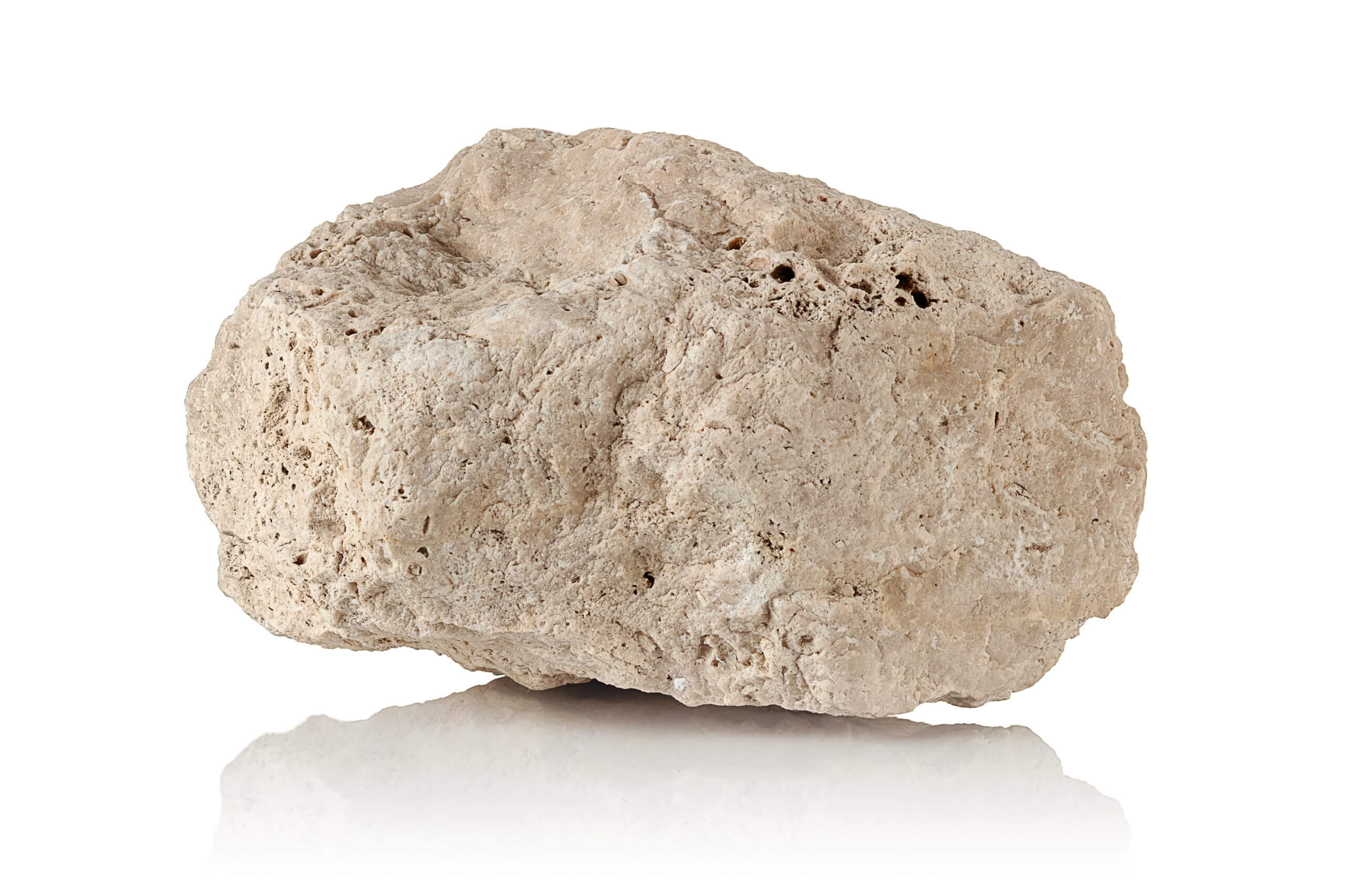
Limestone
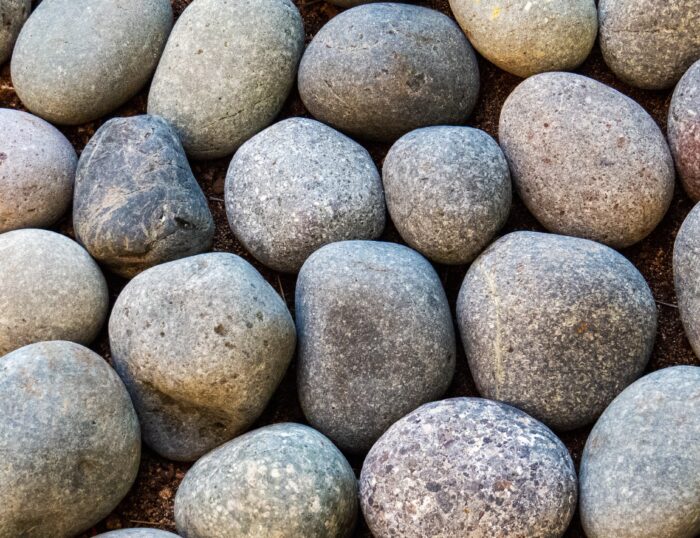
Limestone is a porous rock often used safely in fireplace hearths. For this reason, it’s assumed to be an equally safe choice for fire pits. However, things that happen commonly outdoors—such as rain—can be a potential safety risk. When rainwater falls on limestone, it’s absorbed into the rock itself, which presents the possibility of a dangerous combination of water and fire. People often ask does limestone explode in fire or can limestone be used for a fire pit, and the answer is that it’s generally not recommended for fire pits due to this risk.
Sandstone
Available in a wide range of colors that include gray, white, red, and blue, sandstone rocks can work well in gardens and other exterior locations. The problem with putting them in fire pits is that they’re extremely porous, meaning they hold water on the inside well, and there’s the possibility of an explosion when exposed to heat. Plus, these rocks don’t hold up well when exposed to high heat for long periods, such as in a regularly used fire pit. Common questions include does sandstone explode in fire and can you use sandstone for a fire pit.
River Rocks
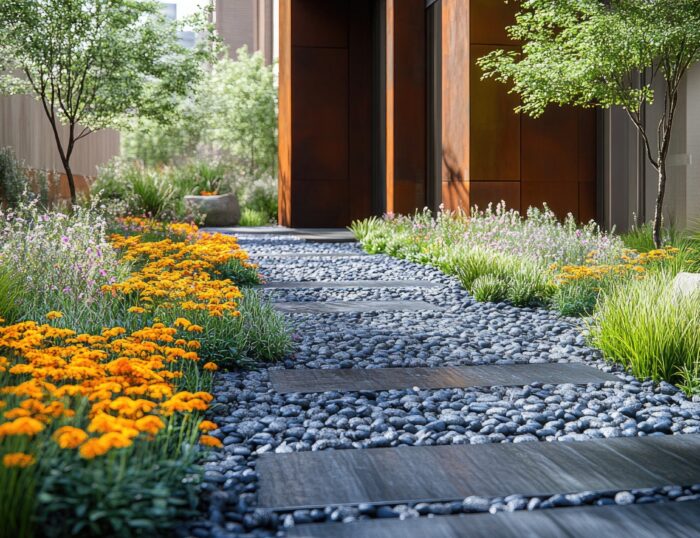
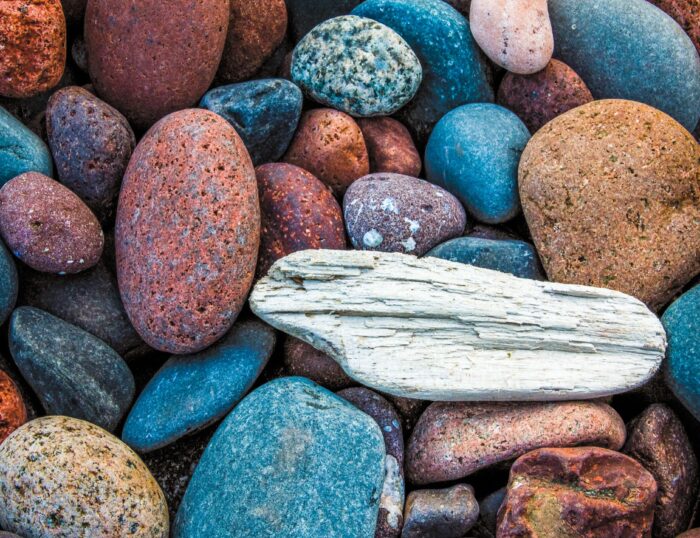
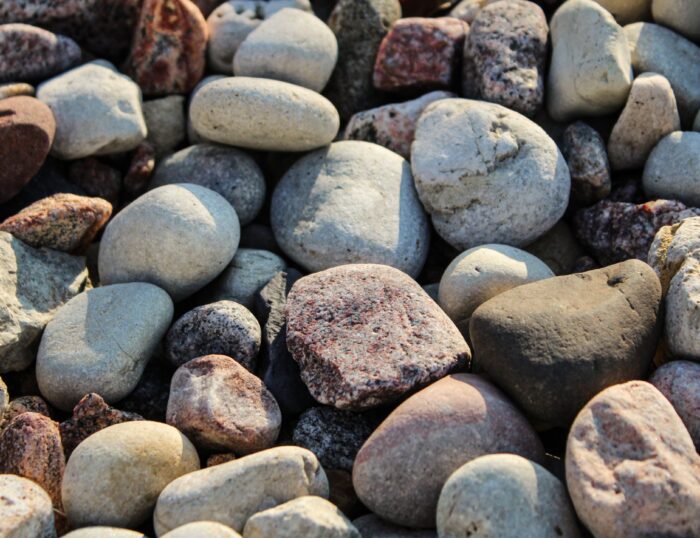
Don’t get us wrong, we love river rocks, such as polished black river rock. These attractive, naturally formed landscaping features are ideal for use in many places. The downside for fire pits is that since these rocks spent several years resting at the bottom of riverbeds, they likely contain a lot of water deep within them. This presents the same dangers as limestone and sandstone. Many people ask can you use river rock in a fire pit or river rock for fire pit, and safety experts strongly advise against it. River rock fire pit accidents have been reported due to water trapped inside.
Pumice
Formed by the mix of hot volcanic lava and water, pumice is full of cavities. It’s also widely used for cleaning and smoothing surfaces. However, the cavities in these rocks are often filled with water, and the high heat in a fire pit could result in a potentially dangerous explosion. Many ask about red lava rock for fire pit or lava rock in fire pit, and while lava rock can be safer if properly dried, pumice specifically is risky.
Pea Gravel
These rocks are on the small side. The problem with the smaller size of pea gravel is that the rocks usually don’t heat evenly, which could cause some problems with the flame. Pea gravel also has a tendency to pop when exposed to high temperatures. Homeowners often wonder will pea gravel explode in fire pit or pea gravel in fire pit safe, and the answer is generally no for safety reasons.
Soapstone
Soapstone is softer than other rocks due to its mix of micas, carbonates, and amphiboles. It tends to hold water and is not hard enough to withstand regular fire pit use. Questions like stones around fire pit or rocks for fire pits often include soapstone, but it’s better avoided.
Basalt
A volcanic rock, basalt is a mix of quartz, iron ore, and similar substances, formed under extreme heat. While attractive for landscaping, basalt is generally not safe in fire pits due to water trapped inside that can cause explosions. People frequently ask about basalt fire pit or basalt rocks, and safety experts advise avoiding it in fire pits.
For advice on how to properly use decorative rocks in your landscape, reach out to the experts at RS&P Rocks Stones & Pebbles, a premier landscape rock and supply superstore. We specialize in drought-tolerant landscaping materials, including colored river rock and Mexican beach pebbles. To learn how we can help you enhance the character and beauty of your outdoor space, call us today at (866) 380-0770.