How Do You Control Water Flow with a Dry Creek Bed?
A dry creek bed works to control water flow by redirecting it. For best results, your dry creek bed needs to be the lowest point in the yard. Many homeowners like to start the dry creek bed at a spot where water naturally collects and then slope it down to a drainage point. This allows the bed to collect water and direct it away from places you don’t want it to be.
What Decorative Rocks Work Best for Dry Creek Beds?
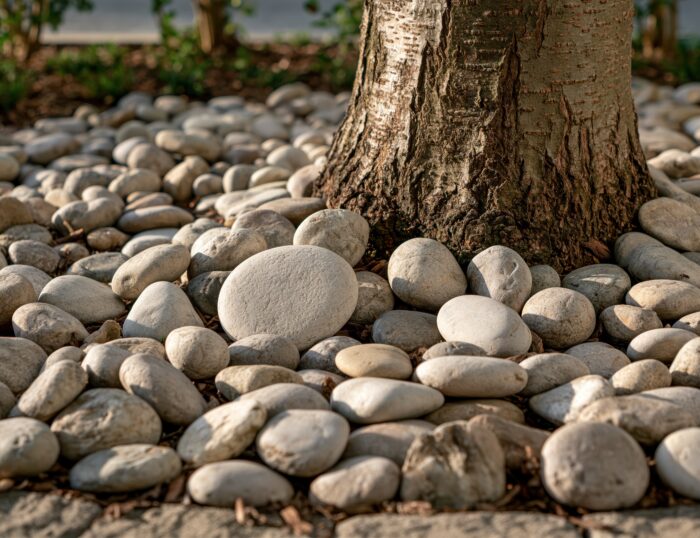
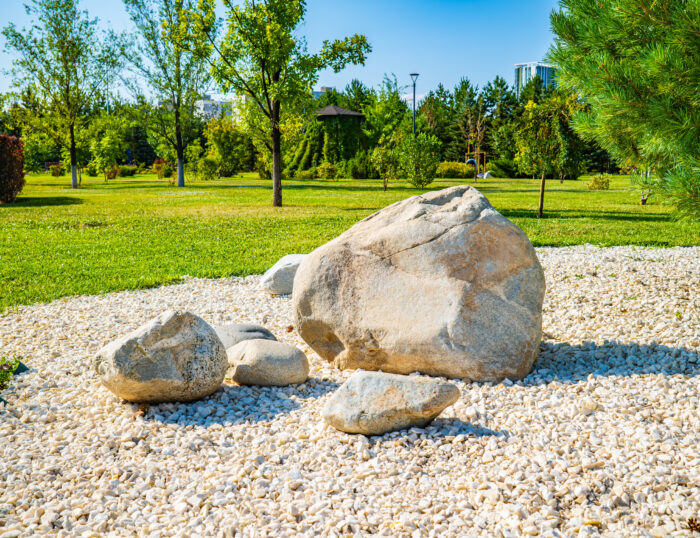
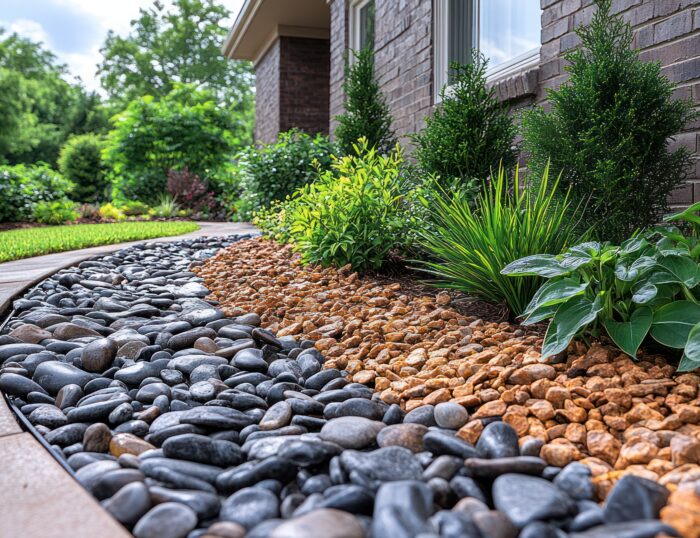
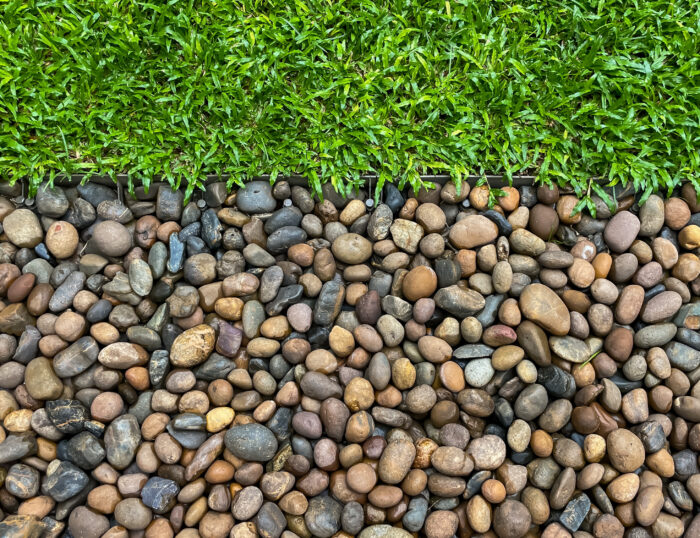
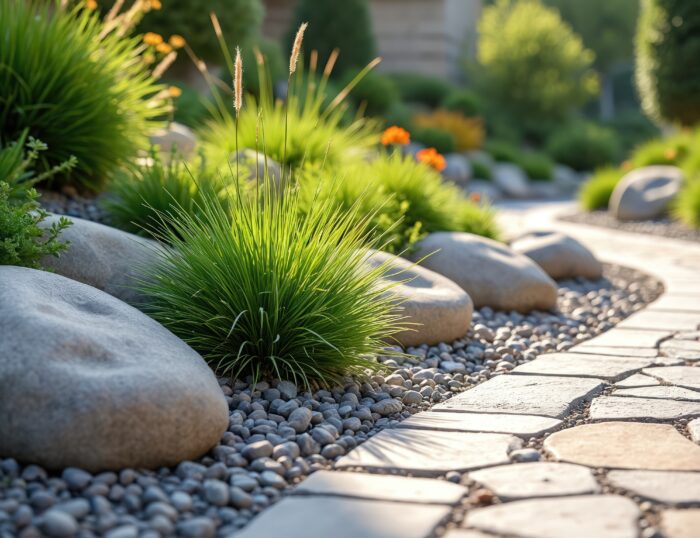
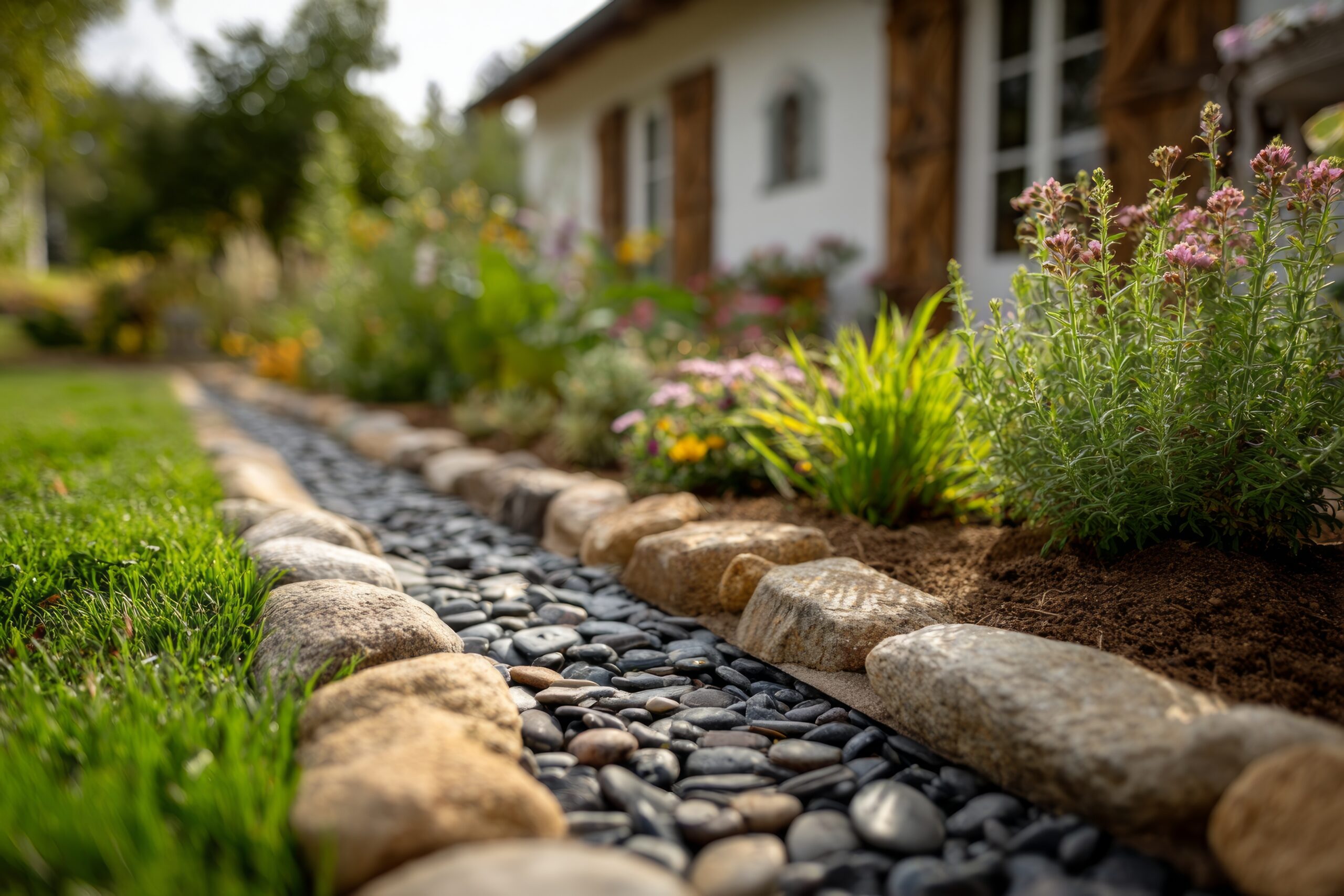
River rocks are ideal for dry creek beds because the medium size allows water to flow through the bed without disrupting the decorative rock placement. Furthermore, the rounded shape of river rocks mimics the look of natural creeks. Homeowners in search of a polished, uniform look often choose the Mexican beach pebble Nashville suppliers carry, since the smooth stones create a soft, natural stream appearance. You can create a creek bed wholly out of river rocks, but some people also like to add moderate boulders along the sides to accentuate the design.
How Do You Design a Dry Creek Bed that Stops Erosion?
Another benefit of a dry creek bed is that it can stop water from eroding your lawn. By placing a layer of sturdy river rocks in the bed, you ensure soil isn’t washed away by flowing water. To help with erosion control, make sure to use a layer of river rocks that’s at least a few inches thick.
How Do You Landscape around a Dry Creek Bed?
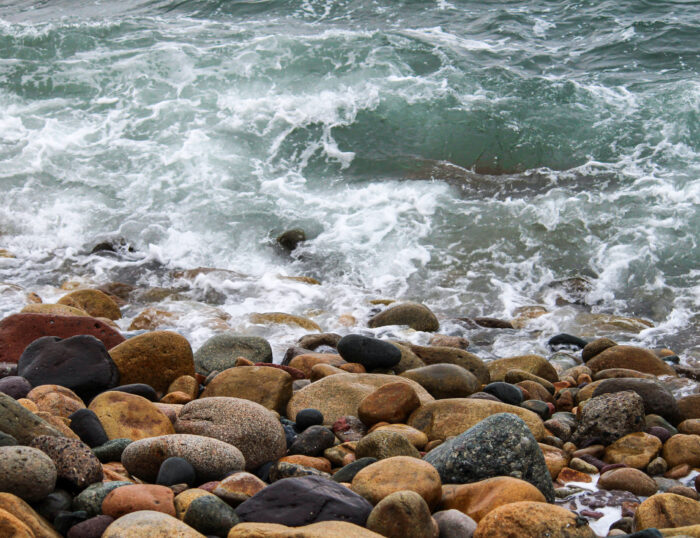
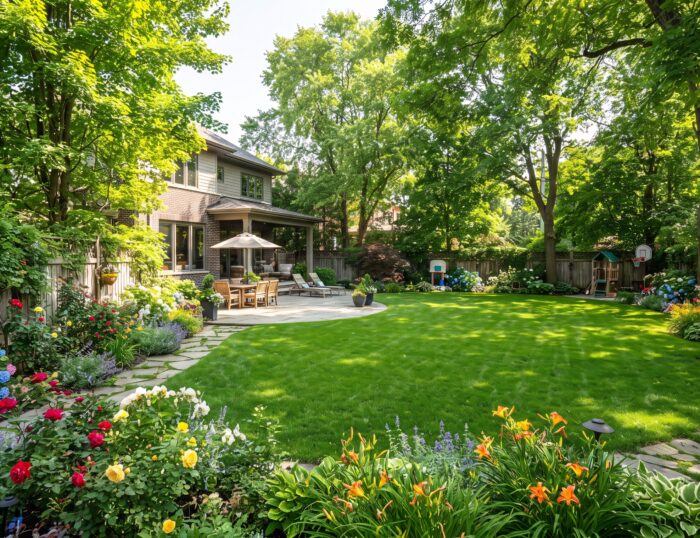
A properly designed dry creek bed is also a stunning landscape feature. By shaping the bed into soft curves and adding foliage around it, you can mimic the look of a peaceful stream. For a more dramatic color palette, many landscapers recommend the Mexican beach pebble Detroit homeowners often request, since the dark, smooth stones stand out beautifully against green foliage. Decorative grasses, moisture-loving ground cover, and small shrubs are all great ways to highlight your dry creek.
Are you thinking about building a dry creek bed that combines function and beauty? Whether you’re drawn to the natural elegance of river rock or the striking tones of Mexican beach pebble, our team can help you choose the right stone for your landscape and climate. Contact RS&P Rock Stone & Pebble today to get expert guidance and start transforming your yard into a low-maintenance, erosion-resistant showpiece.
Frequently Asked Questions
How deep should a dry creek bed be?
+
Most dry creek beds are around 1 to 2 feet deep, but you might need a depth of up to 3 feet if your yard collects a lot of water.
What size river rocks should you use for a dry creek bed?
+
Usually, you need decorative rocks at least a few inches across. Some people like to use bigger rocks on the edges and smaller rocks on the inside.
What’s the difference between a dry creek bed and a bioswale?
+
A dry creek bed uses decorative rocks to direct the flow of water, while a bioswale uses moisture-loving plants to absorb water.
Do you need landscaping fabric under a dry creek bed?
+
Landscaping fabric underneath the decorative rocks isn’t a requirement, but it’s very helpful if you want less maintenance later on.