How Does Heat Affect Stones?
Unlike wood or greenery, stone isn’t flammable, so you don’t usually have to worry about it catching on fire. However, at high heat, issues can still arise. Some types of decorative rocks can crack when exposed to high heat. Even worse, some rocks may collect water and then explode when the heat turns the moisture into steam. This can cause super-heated shards of decorative rock to fly toward you or your guests, so it’s a big safety risk.
What Are Fire-Safe Decorative Stone Options?
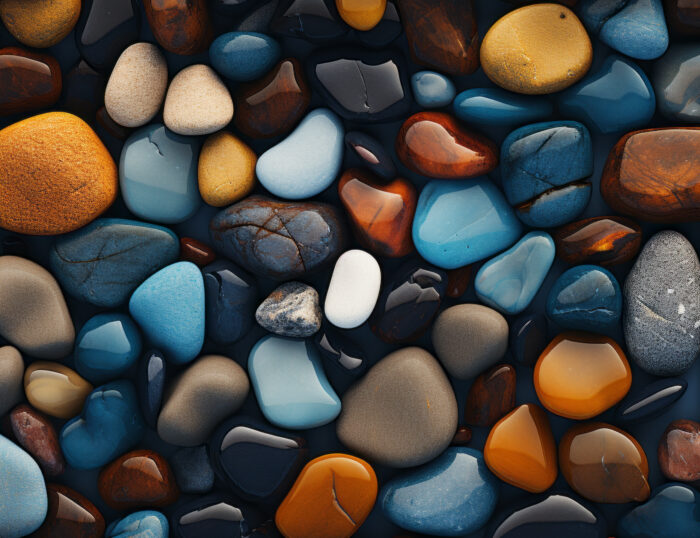
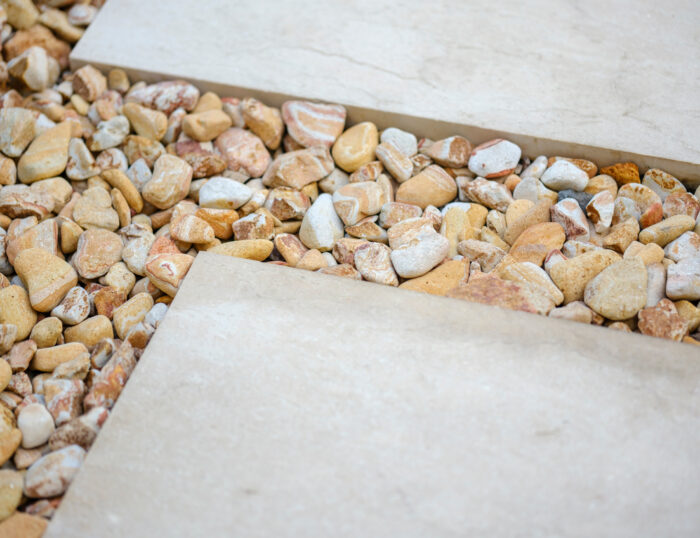
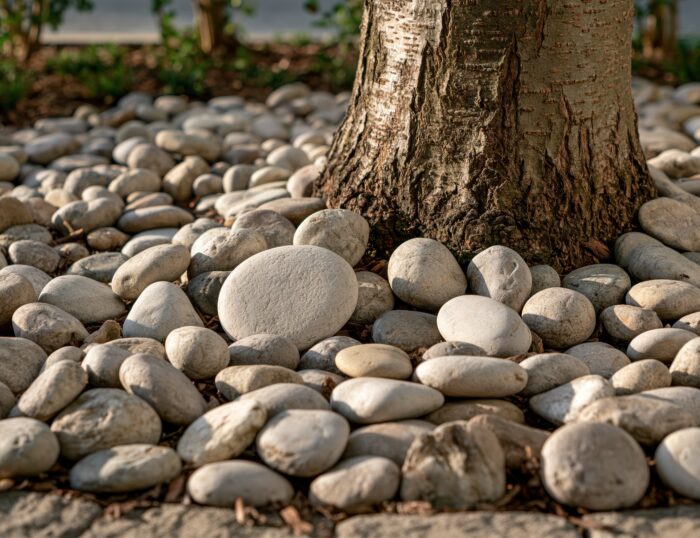
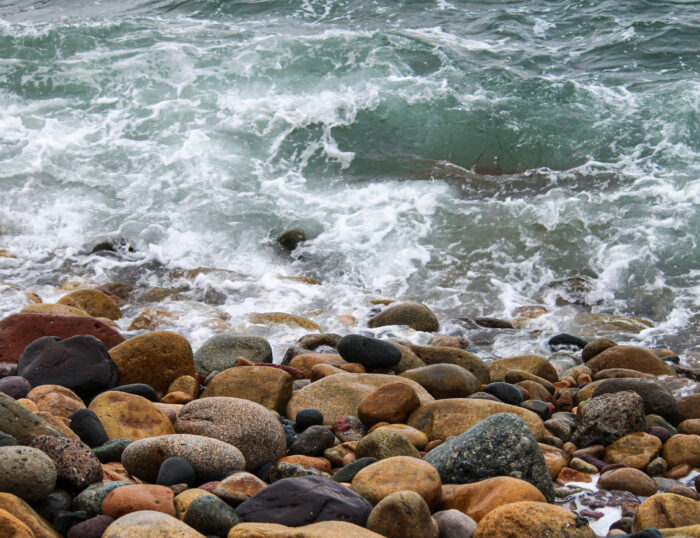
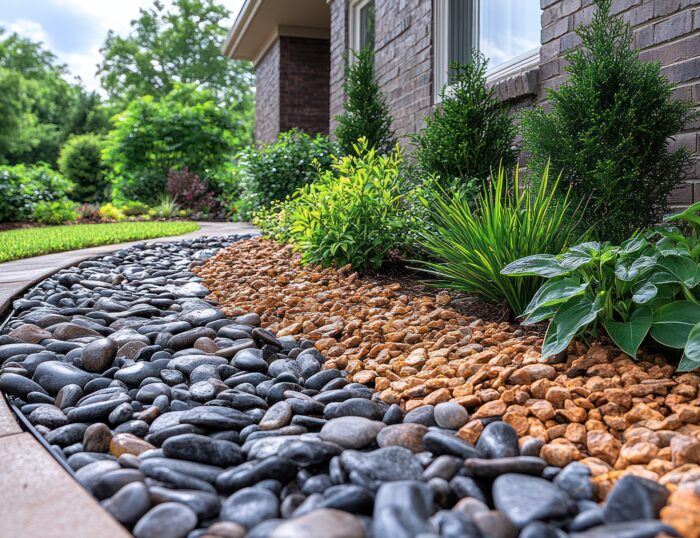
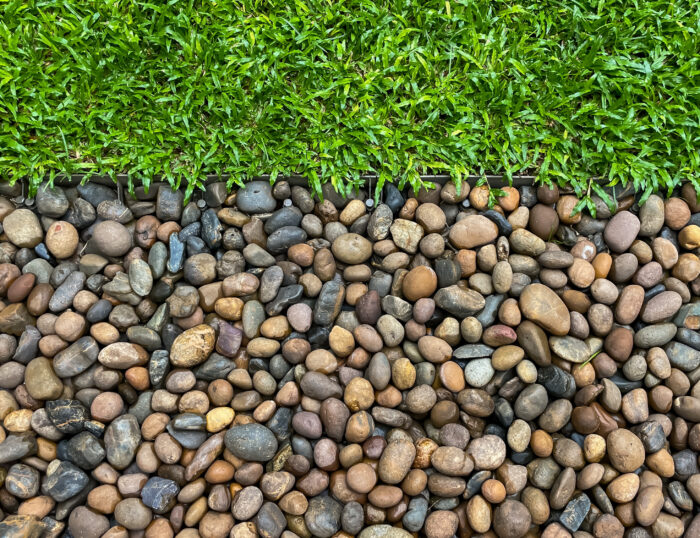
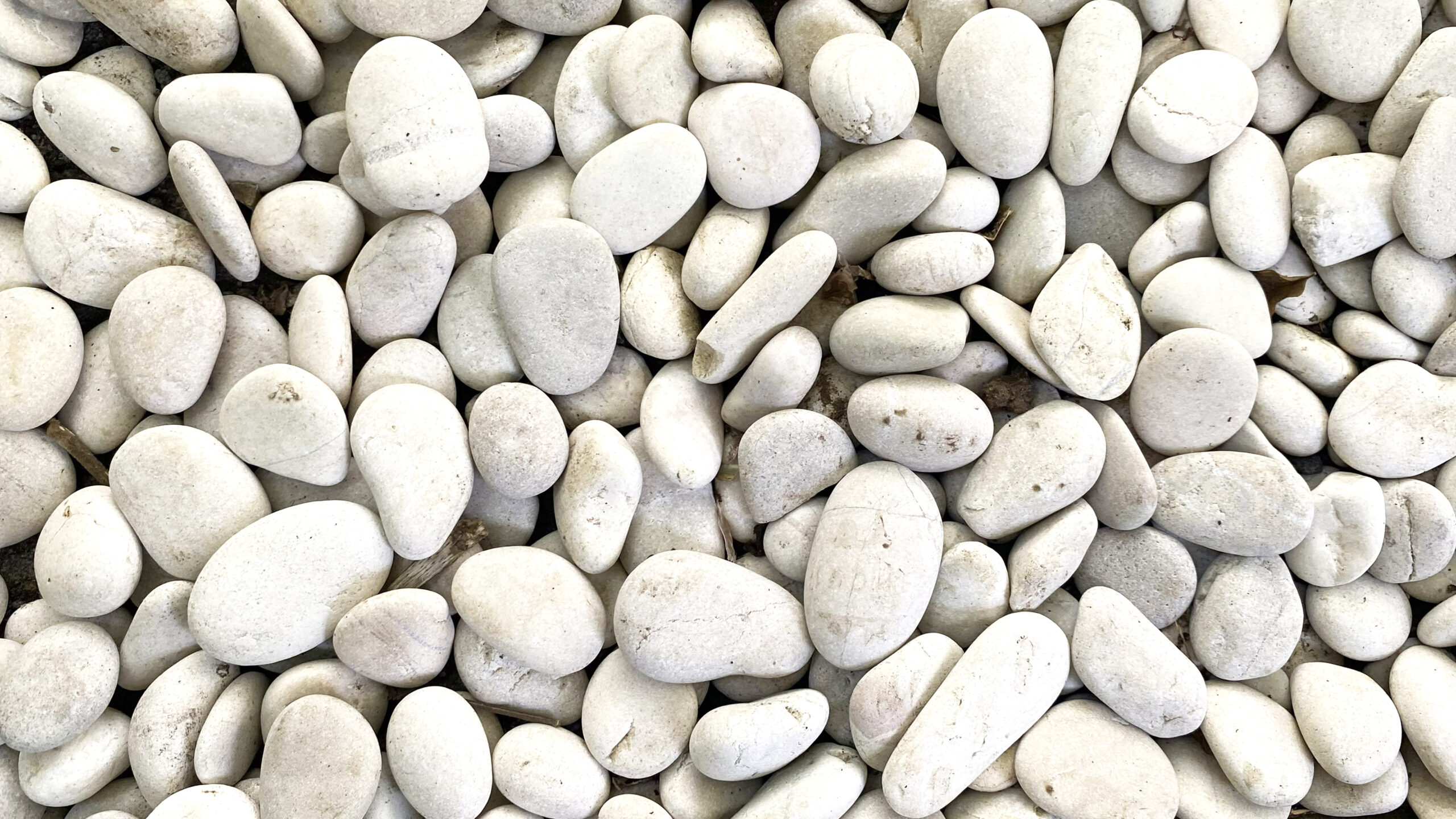
When picking decorative rocks for your fire pit surround, some safe options include granite, slate, and quartz. Make sure to avoid porous rocks that can absorb a lot of moisture. Beach pebbles and river rocks might be highly attractive landscaping stones, but they usually don’t do well when exposed to prolonged extreme heat. The Mexican beach pebble New York homeowners love for garden paths and borders is better suited to areas outside the fire pit’s heat zone.
How Big a Heat-Safe Zone Do You Need Around Your Fire Pit?
The answer to this question will depend on your fire pit design, but most fire safety experts recommend that you keep all problematic materials around 10 feet away from the fire pit. This will keep both direct heat and sparks from interacting poorly with your decorative stone.
What Are Your Alternatives to Fire-Safe Stones?
If you’ve fallen in love with the soft look of river rock or the glossy look of beach pebbles, you can still use them as long as you take a few precautions. There are some modern fire pit designs that use insulating materials to shield your surroundings from heat. Look for elevated pits that sit off the ground and contain thermal insulation and heat-shield barriers. The right fire pit design can let you use decorative rocks that would otherwise be unsafe. With an elevated insulated pit in place, the Mexican beach pebble Los Angeles patio owners admire can frame your seating area without the same risk of heat damage.
For advice on how to properly use decorative rocks in your landscape, reach out to the experts at RS&P Rock Stone & Pebble, a premier landscape rock and supply superstore. We specialize in drought-tolerant landscaping materials, including a variety of colored river rock and Mexican beach pebble. To learn how we can help you enhance the character and beauty of your outdoor space, call us today.
Frequently Asked Questions
What’s the best material to place around a fire pit?
+
Stones are popular for fire pit surrounds because they won’t catch on fire. An especially good choice is sturdy, heat-resistant granite.
Is quartz a good decorative rock for fire pit surrounds?
+
Natural quartz stone has high heat resistance, so it works well around fire pits. Just keep in mind that soot may discolor lighter stones, so you might want to wash them more frequently.
Is granite fire-resistant?
+
Granite is considered to be a very heat-resistant stone. Since it’s so dense, it doesn’t absorb much water.
What temperature do decorative rocks crack at?
+
Decorative rocks can begin to crack at as low as 212 degrees Fahrenheit. The average fire pit can easily reach 1,000 degrees Fahrenheit or more, so it’s certainly hot enough to make decorative rocks crack or explode.