What Kinds of Landscaping Rocks Do Well in Hot, Dry Climates?
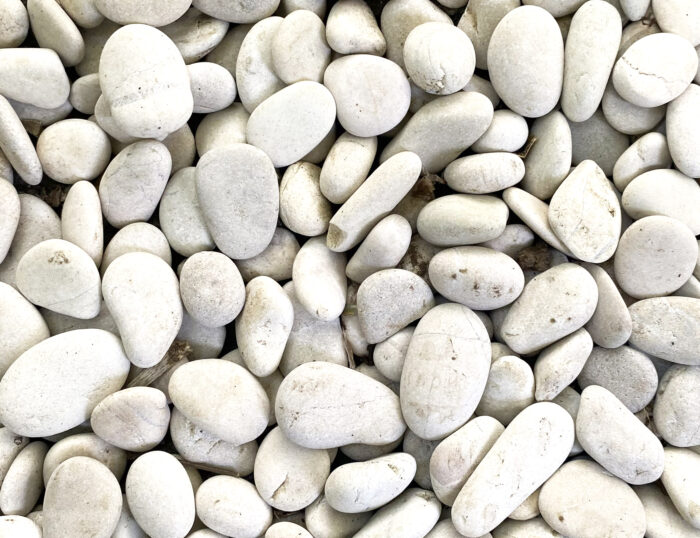
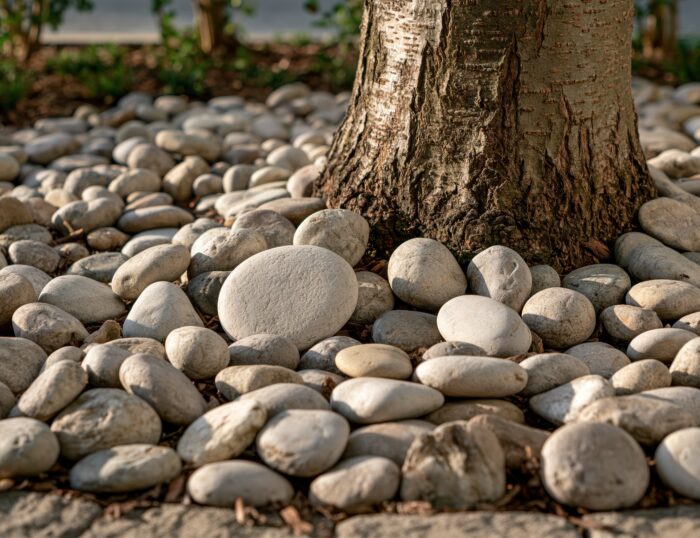
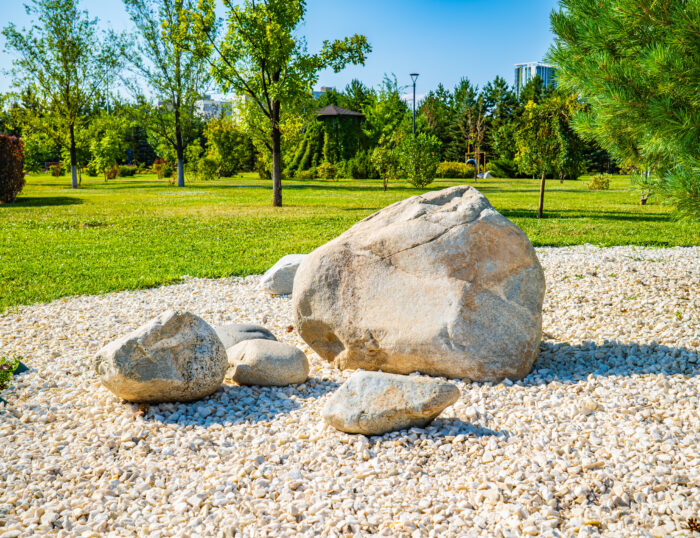
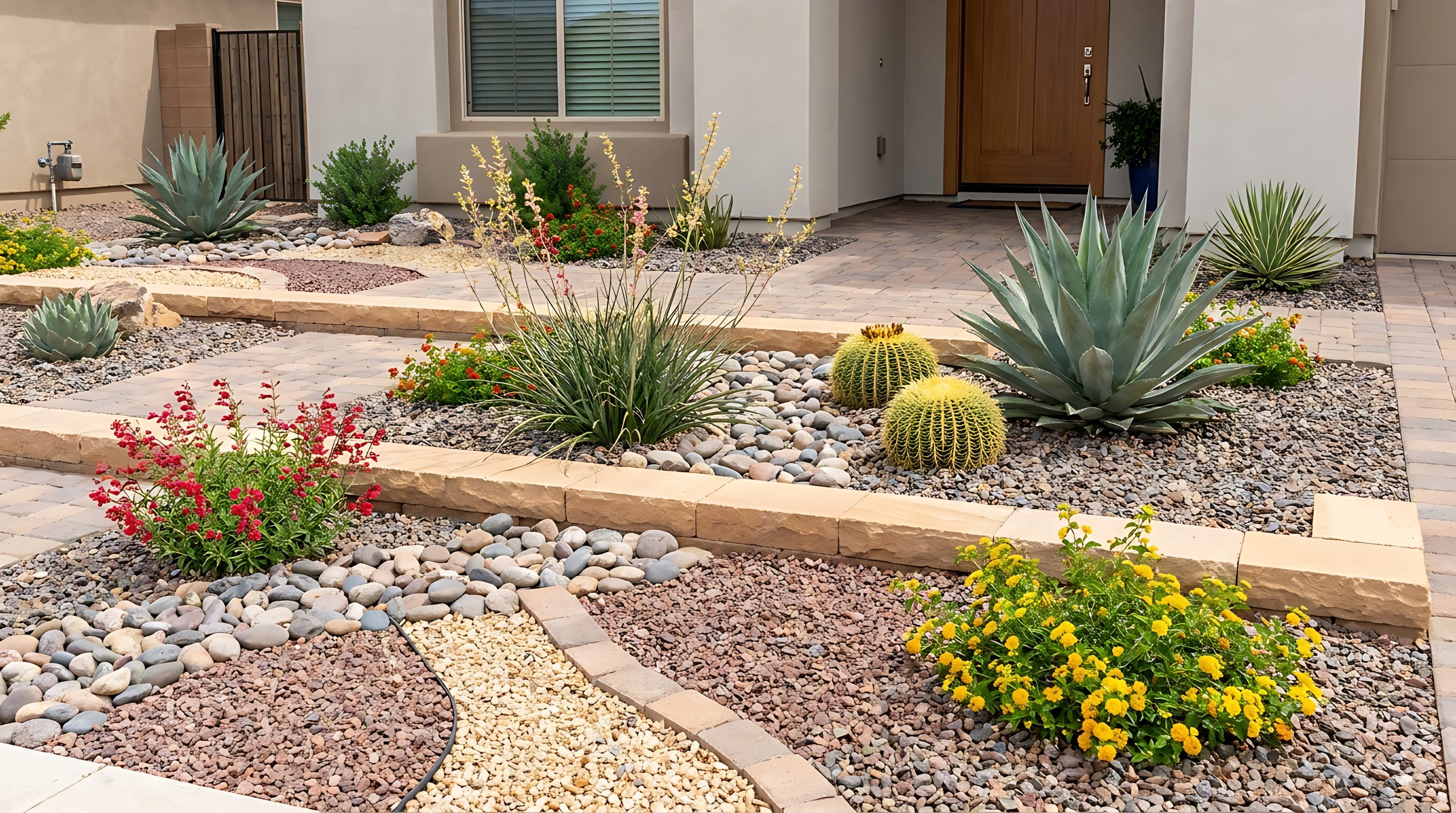
River rocks do exceptionally well in dry, hot climates. Granite and limestone are two other types of decorative rocks that can also stand up to the heat. As you choose your landscaping rocks, look for ones in light colors that reflect sunlight away to minimize heat absorption. Tan, white, and light gray are great for keeping decorative rock beds cooler. Proper installation is also important in arid climates to minimize dust and shifting issues.
Which Decorative Rocks Will Be Good to Place in Cold, Snowy Climates?
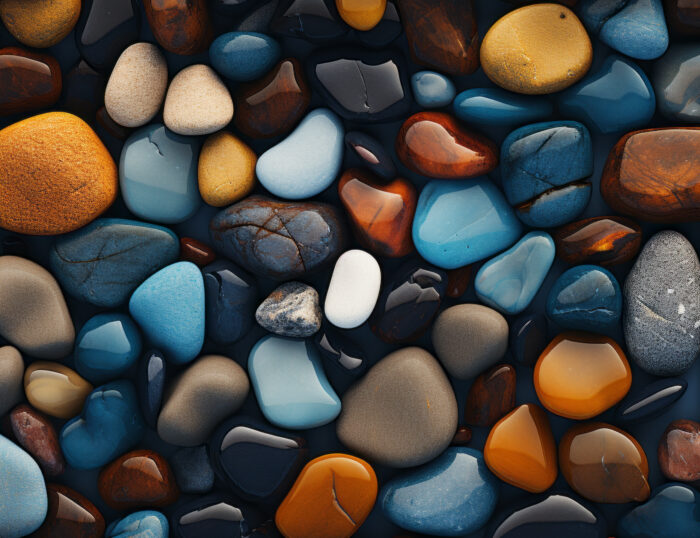
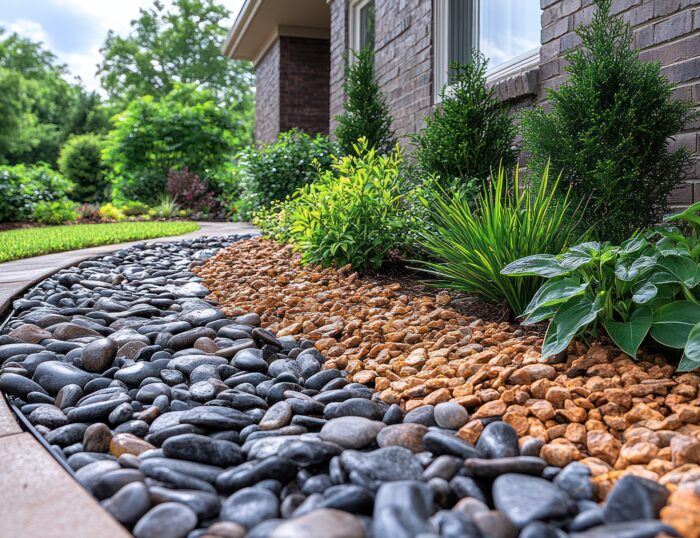
Choose dense rocks for climates that experience freezing temperatures. Fragile stones might be prone to cracking and other forms of deterioration during major temperature swings. Marble chips with angular sides work well for preventing shifting on walking paths in cold climates. In areas with snow and ice, choosing dark-colored stones can encourage faster thawing from the increased heat absorption on the stones’ surfaces. The Mexican beach pebble Chicago landscapers install along walkways is dense enough to handle freeze-thaw cycles, and its dark color can help snow and ice melt faster.
What Should You Know about Choosing Decorative Rocks in Wet Climates?
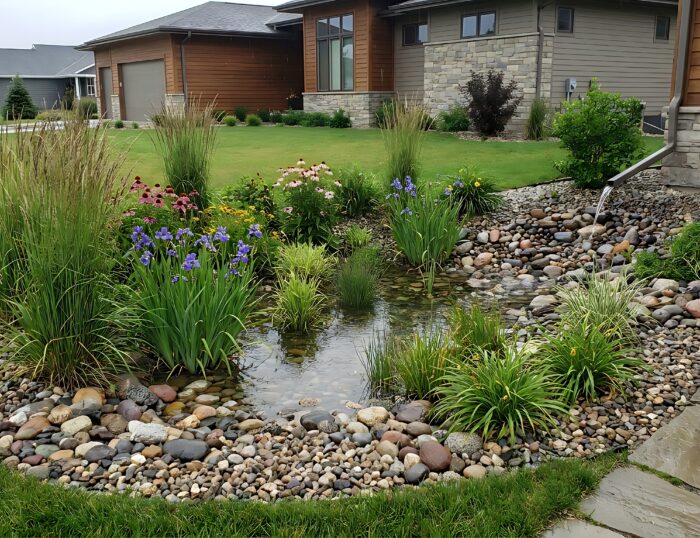
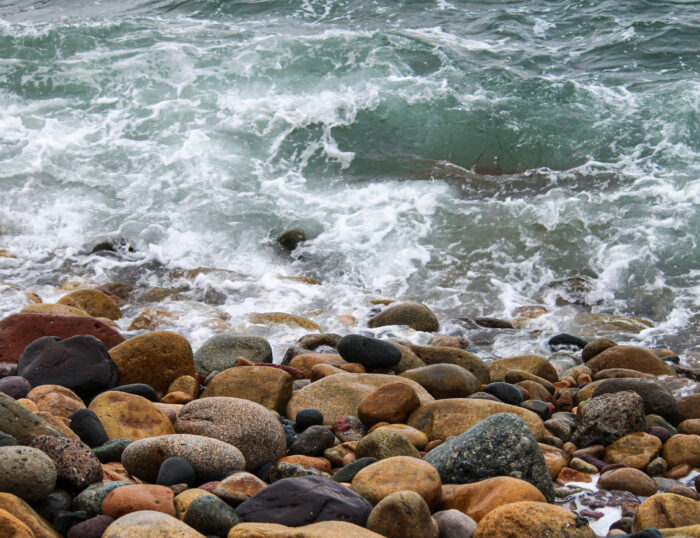
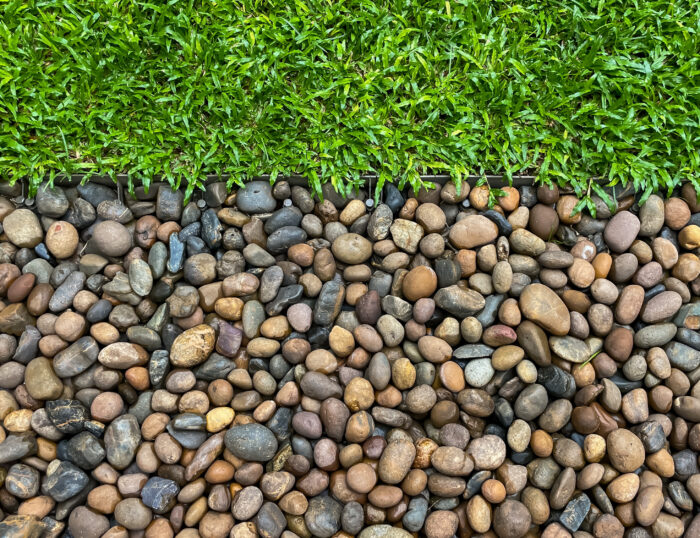
Prioritize landscaping rocks with a proven history of withstanding high levels of moisture. Beach pebbles and river rocks are sourced from areas with high humidity levels and frequent exposure to water. Smooth and naturally water-worn, the Mexican beach pebble Houston gardeners place around ponds and rain gardens holds up well to the city’s frequent downpours and high humidity. River rocks are great for using in drainage areas and near water features in hot climates, too. Keep in mind moss and other organic debris can impact the appearance of lighter-colored rocks. Sealing porous decorative rocks can help them maintain their beauty in humid or wet climates.
How Do You Pick Decorative Rocks in Variable Climates?
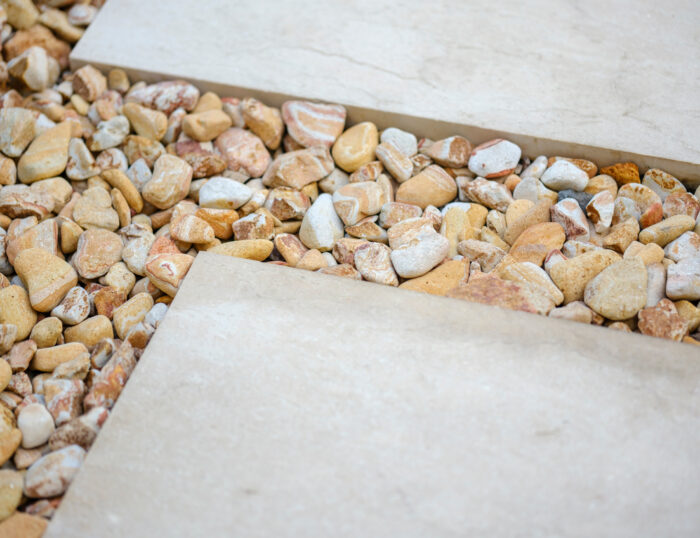
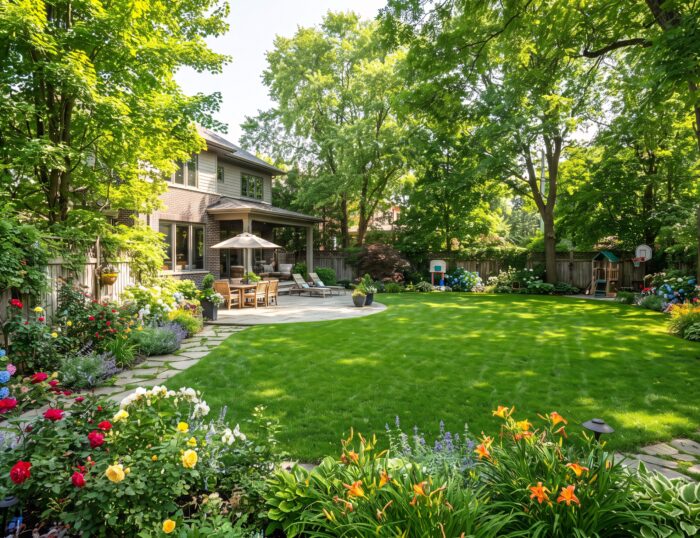
Most landscaping rocks are fairly durable and capable of standing up to four-season climates. Creating decorative rock beds is a great way to maintain consistent landscaping designs when plants tend to die off in extreme weather swings. The size of the decorative rocks you choose is often the biggest factor to consider for successful installations in four-season climates. Both beach pebbles and decorative rocks should be large enough to prevent them from shifting in areas where rain or frost heaving impacts soil stability.
Choosing landscaping rocks that suit your climate is one of the simplest ways to create an outdoor design that looks great and lasts for years. At RS&P Rock Stone & Pebble, we offer a wide selection of decorative rocks, stones, and pebbles in a range of colors, sizes, and textures to fit any environment, from hot, dry yards to snowy, four-season landscapes. Our team is happy to help you compare options and find materials that match both your style and the conditions where you live. Contact RS&P Rock Stone & Pebble today to explore our collection and start planning your next landscaping project.
Frequently Asked Questions
How does climate affect decorative landscaping rocks?
+
Temperature fluctuations, precipitation, and moisture in the air can all impact landscaping rocks.
What are the most durable landscaping rocks?
+
Dense natural stones that include granite and beach pebbles tend to be the most durable types of decorative rocks to use in landscaping designs.
What color decorative rocks are best for hot climates?
+
Light-colored rocks tend to absorb less solar heat compared to darker ones, and they’re ideal for placing around plants in drought-resistant landscapes.
How often should you replace landscaping rocks?
+
Choosing landscaping rocks that work well in the climate helps them last for decades, although you might need to replenish them occasionally to account for ground shifting.