
What Conditions Contribute to Moss Growth in Shady Landscapes?
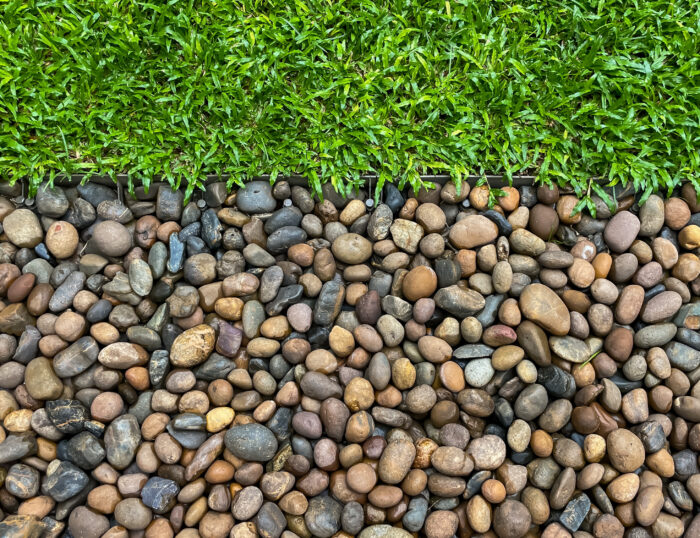
Like other types of plants, moss needs consistent moisture. However, moss tends to thrive best in areas with limited sunlight. Poor air circulation can also increase humidity levels that foster moss growth. The Mexican beach pebble Long Beach homeowners choose for shady landscaping still needs proper drainage and airflow to keep moss from taking hold. Most of your best preventative methods will focus on altering the conditions in your landscape that encourage moss to grow. If leaves or other organic debris builds up, this can further raise the risk of moss growth.
How Do You Address Existing Moss?
If you already have moss on river rocks in your landscaping, you’ll first want to assess the severity. In extreme cases, replacing the river rock can quickly end the problem. But you can typically use special solutions to remove the moss. Start by using your preferred chemical solution to remove the moss, or you can use baking soda for a more eco-friendly option. Once the moss dies off, you’ll then use a stiff-bristled broom or brush to eliminate the residue.
How Can You Prevent Moss from Growing on River Rocks?
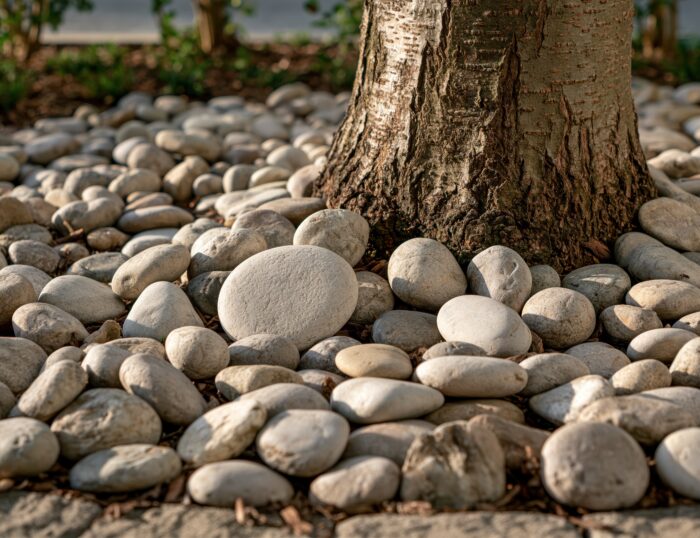
Simply removing moss won’t end the problem. If you’re installing new river rocks, consider looking for ones with smooth surfaces that are less likely to harbor moisture. Sealing porous river rocks can also preserve their color and prevent mold growth that seems to appear deep within the texture. Improving drainage by adding smaller pebbles beneath larger rocks can prevent standing moisture, and you’ll want to increase airflow around the area by keeping trees and shrubs trimmed back. The Mexican beach pebble Mesa homeowners install in low-light yards responds especially well to these same sealing and drainage techniques.
How Do You Maintain River Rock in Shady Yards?
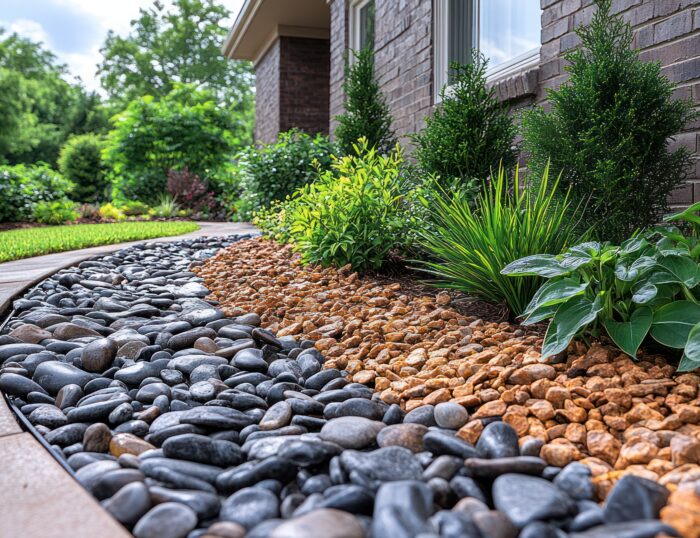
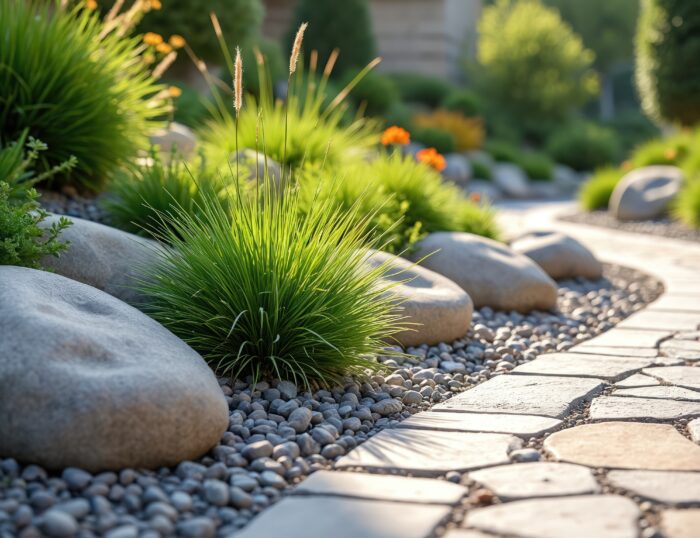
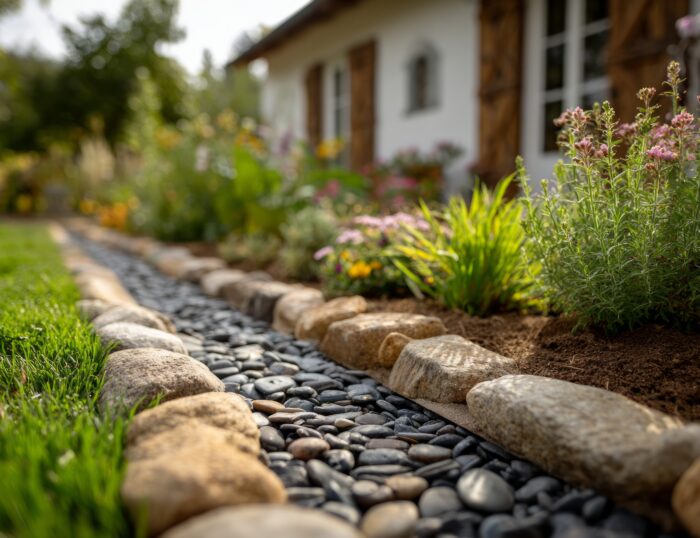
River rock is among the most low-maintenance ground covers you can use in shady areas, especially when grass won’t grow. Once you’ve set up a moss-free decorative rock garden, you can keep it that way by using a leaf blower or rake to remove leaves, pine needles, and other organic debris that falls on the space. You can also increase airflow to the area by pruning trees. Spot-cleaning any areas that develop moss before it spreads can also help you keep your landscaping rocks looking their best.
Don’t let moss take over your shady yard. RS&P Rock Stone & Pebble offers a wide selection of smooth, sealed river rock designed to resist moisture buildup and keep your landscaping looking its best year-round. Contact us today to find the right decorative rock for your space and get expert guidance on installation and long-term care.
Frequently Asked Questions
Can you use bleach to remove moss from river rocks?
+
Bleach can kill moss on river rocks, but you can also use natural cleaners such as baking soda to protect nearby plant life.
Will landscaping fabric prevent moss growth in decorative rock beds?
+
Yes, landscaping fabric can reduce standing moisture that contributes to moss growth beginning below the decorative rocks.
Which is better for moss prevention: smooth or rough river rocks?
+
Smooth, polished pebbles have fewer pores that can trap moisture and foster moss growth.
Will moss harm river rocks?
+
No, river rocks are durable enough to withstand moss growing on their surfaces. But most people find moss isn’t visually pleasing, and it can create slippery surfaces on walking paths.