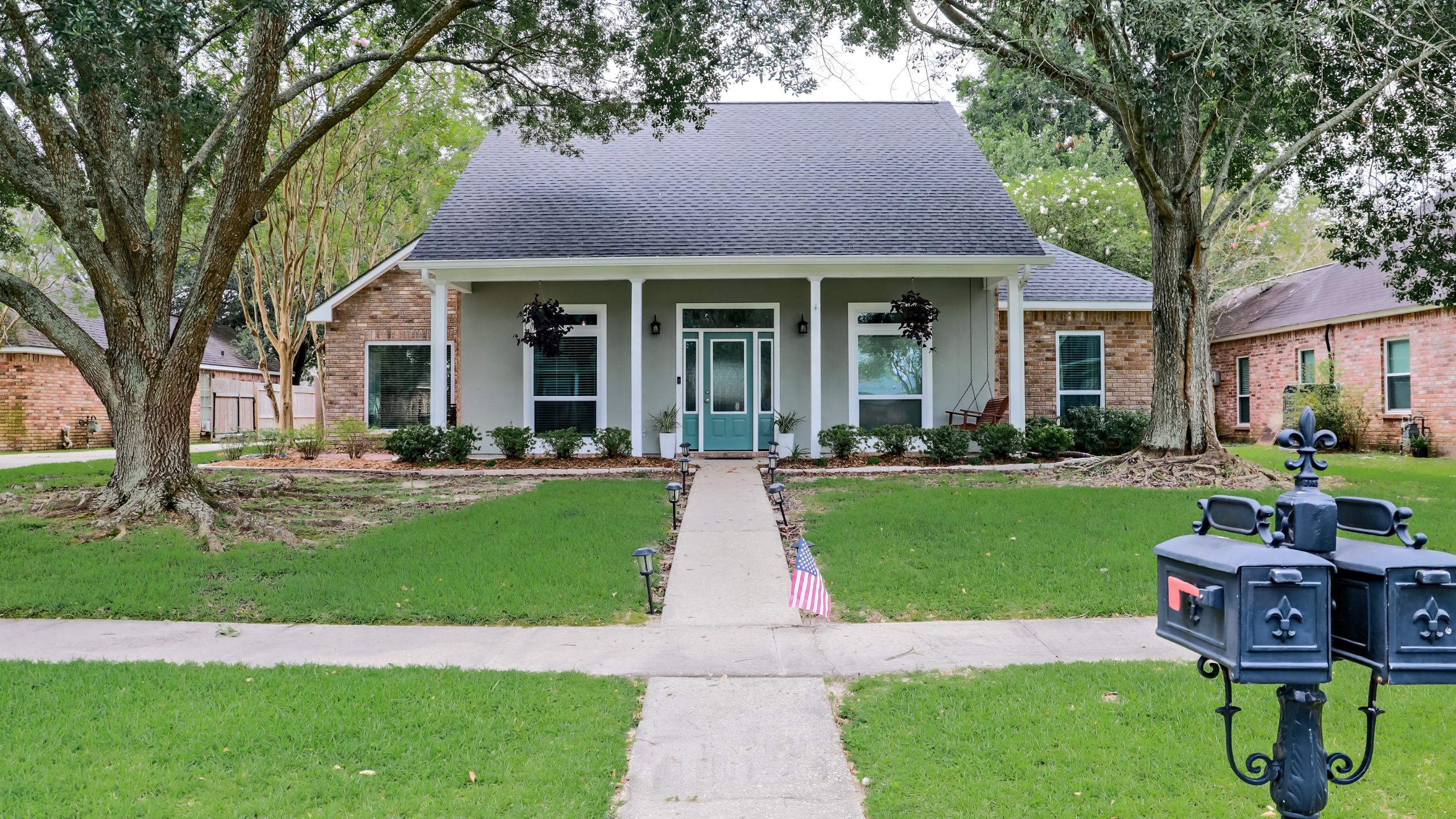
Mature trees often have exposed roots as they thicken beyond the size that could once rest comfortably underground. Exposed roots can also be a sign of topsoil erosion that threatens the health of your trees and could cause other issues on your property. Visible roots aren’t just an eyesore. They could also pose a tripping hazard and leave the tree vulnerable to rot. Using these strategies can help you make an effective landscaping plan that addresses exposed tree roots.
Use Soil for a Fast Cover-Up
Putting soil on the roots can create a mound you can then use to support other landscaping materials. Since grass won’t necessarily thrive in soil that’s prone to erosion, you’ll need to cover the dirt with mulch or decorative rocks to create better curb appeal. However, putting some soil down now can prevent you from getting hurt tripping over the roots as you mow.
Plant Shallow Ground Cover
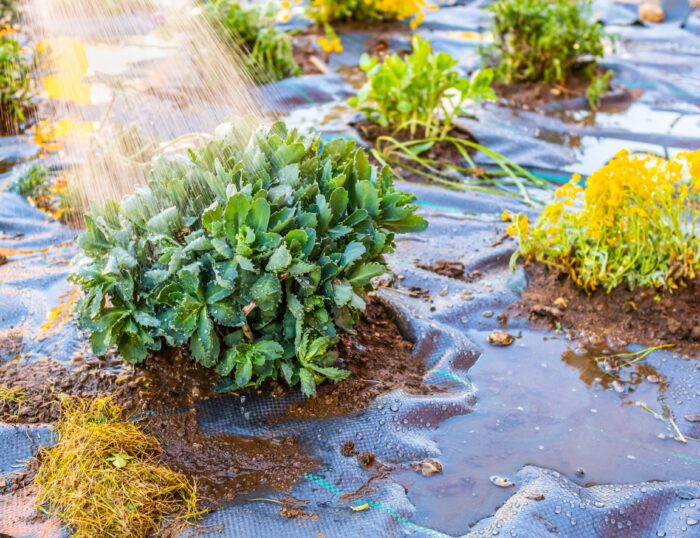
If you’ve covered the roots with soil, you might be able to add plants to hold the dirt down. If you try this option, remember to choose plants with shallow roots that won’t be disrupted by the tree’s growth. For instance, some types of geraniums or clover work well as ground cover near trees.
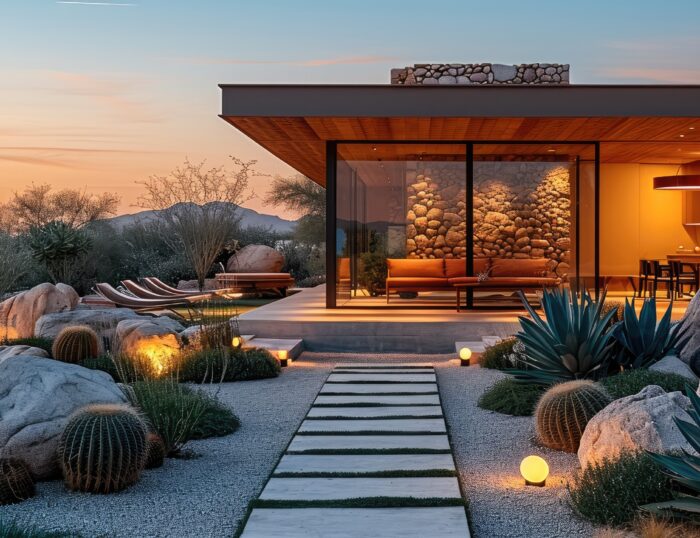
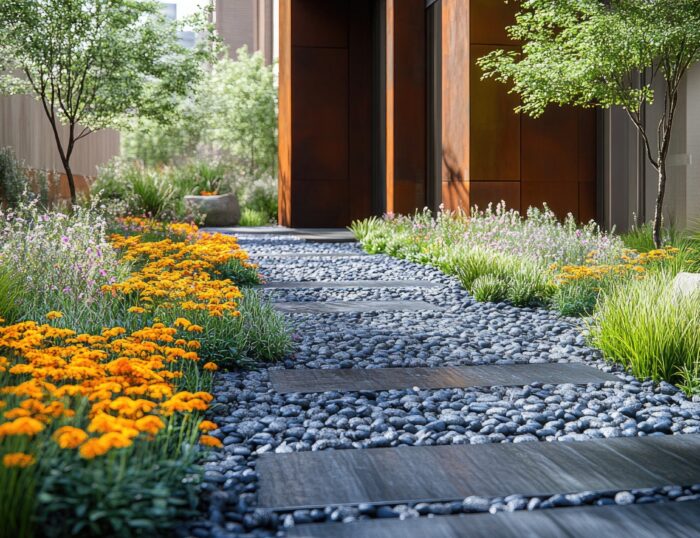
If you select this option, consider the general soil health near the tree. For areas with a lot of erosion or runoff, it might be better to create a decorative rock garden with shallow-rooted flowers. The weight of the decorative rocks can help you maintain proper soil levels for the plants to thrive.
Cover the Roots with Mulch or Beach Pebbles
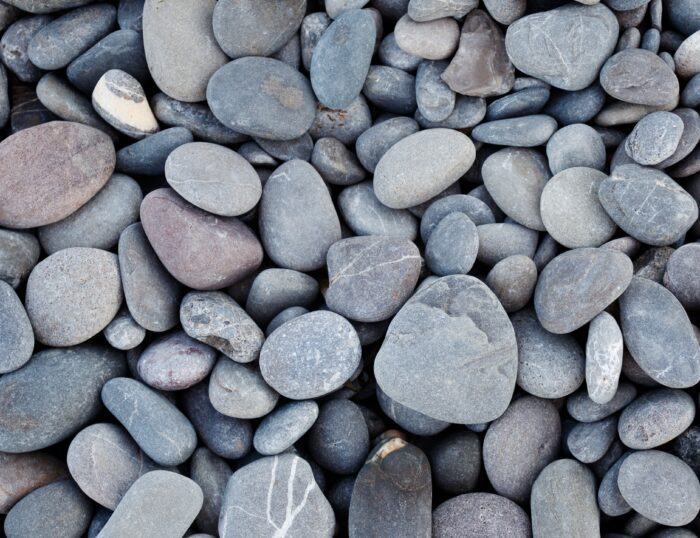
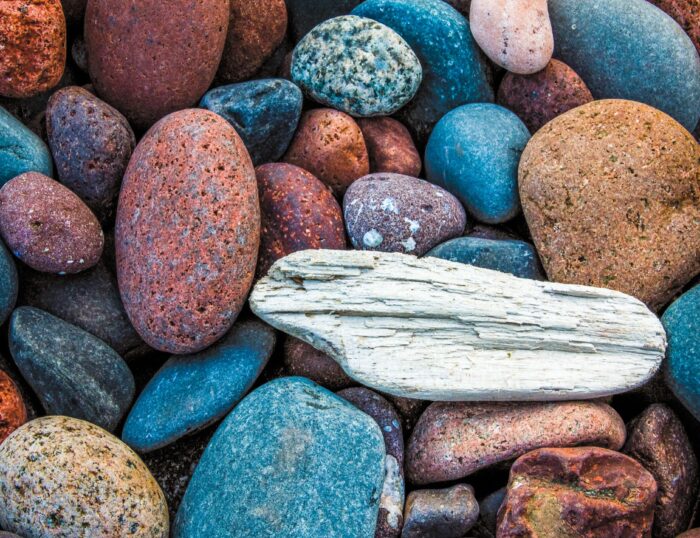
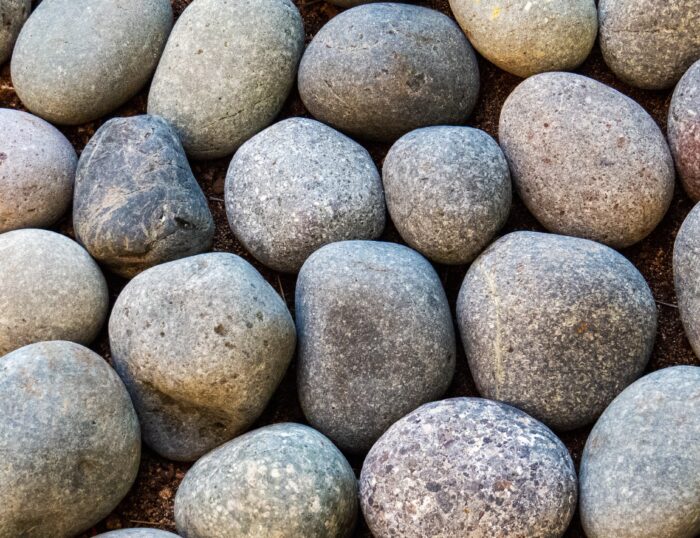
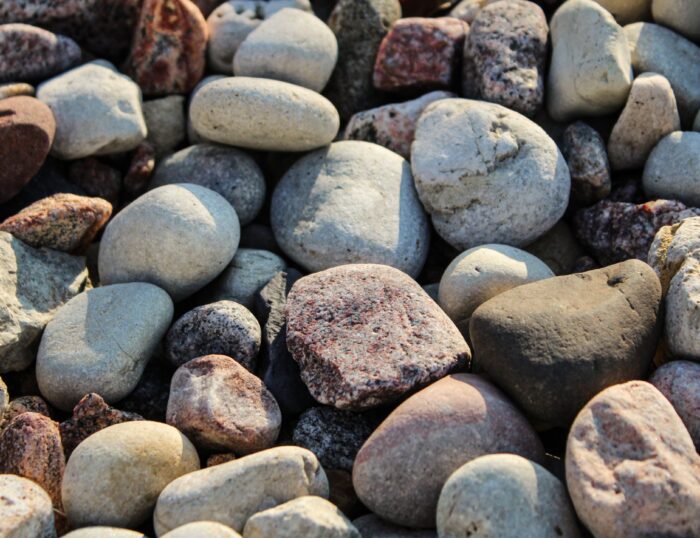
The fastest way to eliminate an eyesore and protect the tree from rot is to cover the roots. Organic mulch is one option, but you may need to steer clear of this natural material if you live in an area with a lot of humidity or moisture. Landscaping pebbles tend to work better in areas with frequent rain or high levels of humidity. In cooler, foggy climates where moisture lingers, the Mexican beach pebble San Francisco homeowners favor provides excellent drainage while maintaining an attractive appearance year-round.
Simply spread a layer of the beach pebbles about two to four inches deep around the tree. Keep in mind you’ll want to avoid piling too much around the trunk, which could harbor insects or encourage moisture buildup around the base. Choosing to use heavier landscaping rocks over mulch also slows down soil erosion that could expose more of the root system.
Build a Tree Well or Raised Garden Bed
This option defines the space around the tree and creates a focal point in your property’s landscaping. To keep with the natural theme, use larger boulders or landscaping rocks to build a wall around the tree. You can then fill in the inside with smaller beach pebbles that further hold down the soil. For Pacific Northwest gardens dealing with frequent rainfall, the Mexican beach pebble Seattle residents often use offers both practical water management and a polished aesthetic that complements the region’s lush greenery. Alternatively, you could add soil to the interior of the raised bed you can use for adding a few pops of color with plants.For advice on designing your home’s landscape with river rocks and beach pebbles, reach out to the experts at RS&P Rock Stone & Pebble, a premier landscape rock and supply superstore. We specialize in drought-tolerant landscaping materials, including a variety of colored river rocks and Mexican beach pebbles. To learn how we can help you enhance