How Does the Rule of Thirds Apply to Landscaping Rocks?
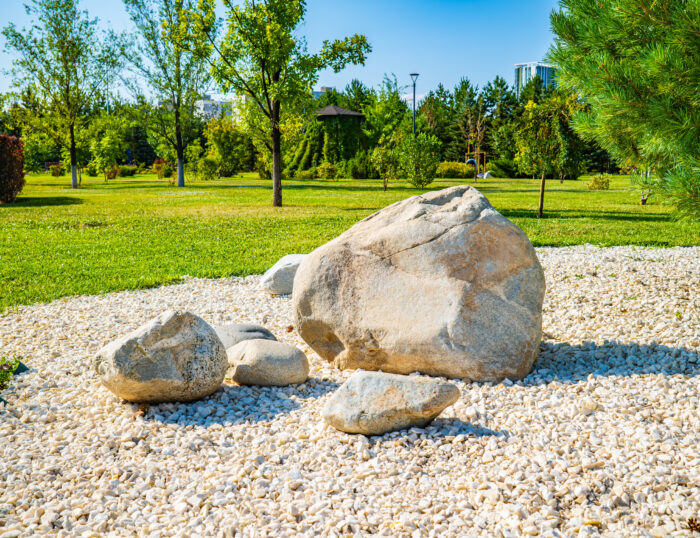
In the art industry, the rule of thirds involves learning where to place the subject of an image in the ideal focal point of a picture. With landscaping rocks, this involves using larger accent boulders as the primary focal points. Then you’ll use mid-sized decorative rocks to fill in the spaces. Fine beach pebbles and gravel tend to be used as the final piece of the rule of thirds by including them in transitional areas.
How Do You Use Boulders as Anchoring Points?
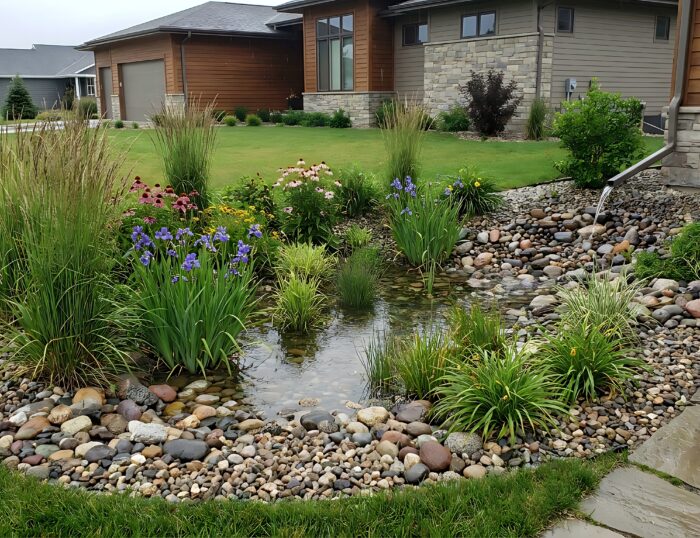
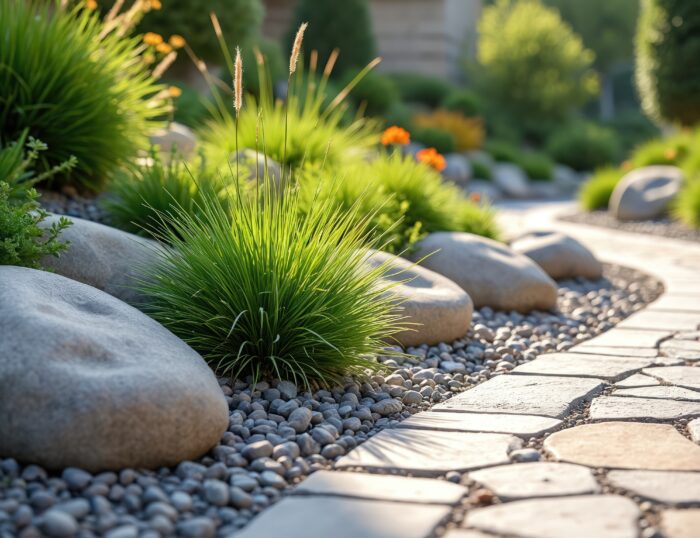
While you can always just use smaller decorative rocks as ground cover, which eliminates the need for excessive watering and mowing, most people find adding height increases the visual appeal. Boulders are perfect for using as anchoring points that draw the eye to specific parts of the landscape. Choose larger boulders that range from 18 to 36 inches high to add scale to the design. The size of the boulders should be carefully scaled to fit the building’s height. For instance, a two-story building might look best with a three-foot boulder.
How Do You Incorporate Texture into the Design?
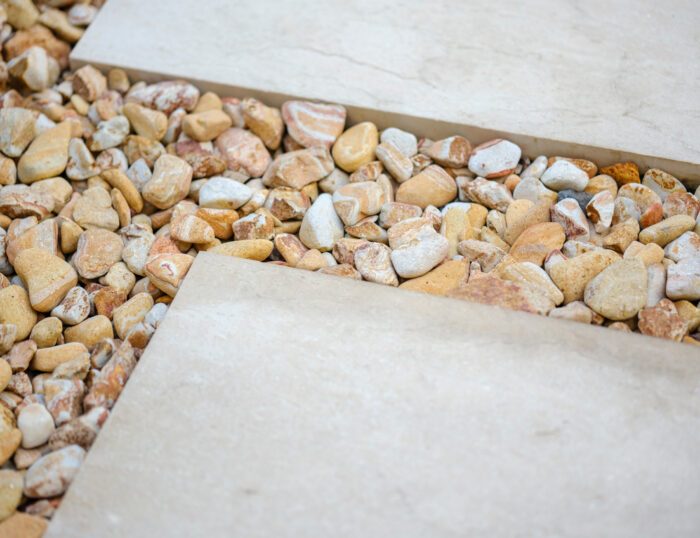
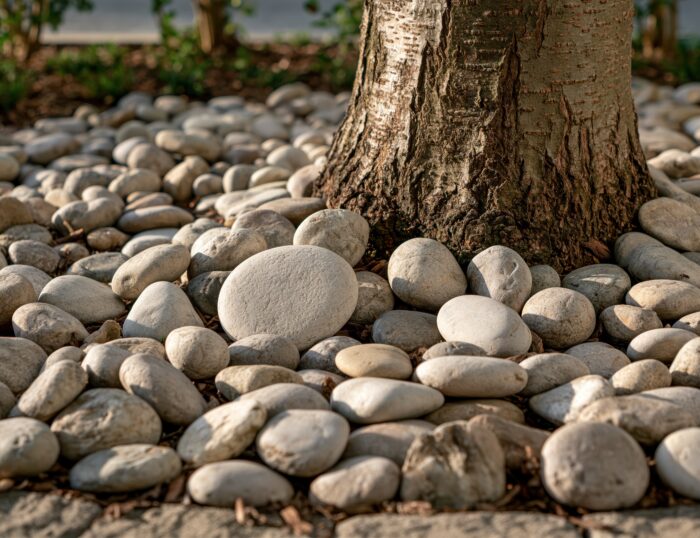
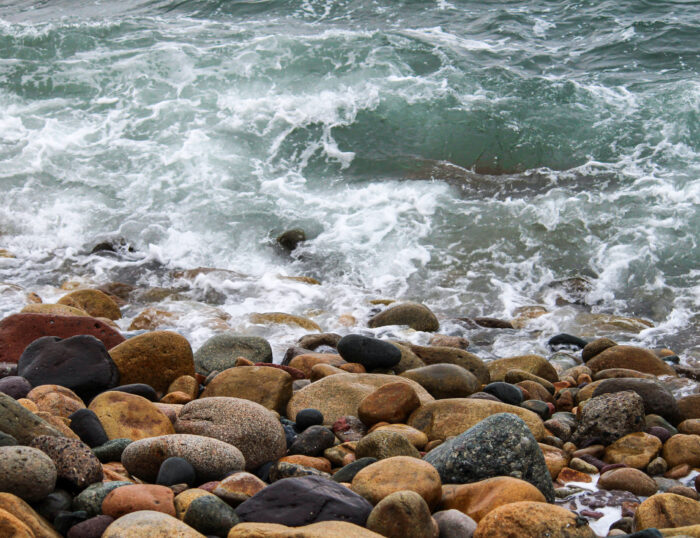
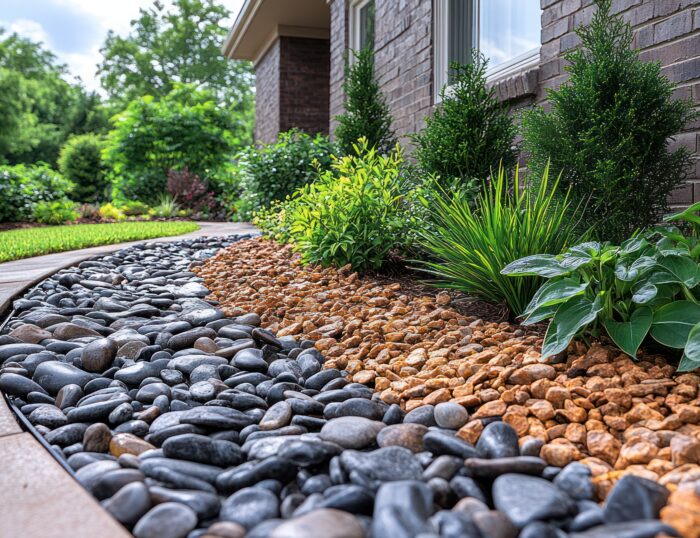
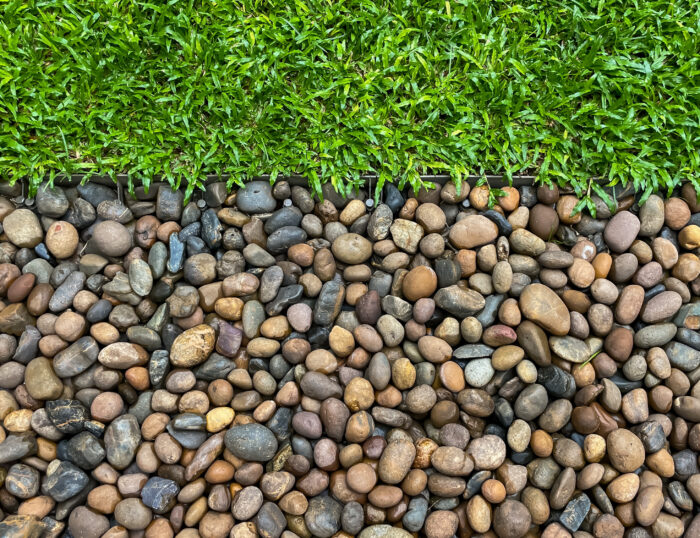
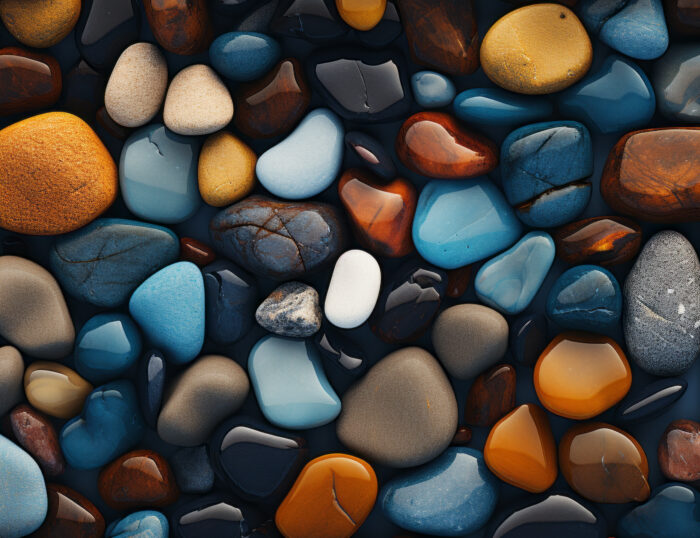
Landscaping rocks come in a variety of textures that allow you to play with various elements to make the space more interesting. For instance, smooth Mexican beach pebbles can be placed alongside rougher black slate or river rocks that have more texture. If you’re looking for regional inspiration, projects featuring the Mexican beach pebble Denver designers have used in xeriscape layouts offer a great example of how smooth stones create striking textural contrast. Creating contrast can intensify the visual appeal to keep decorative rock gardens from feeling too perfect or dull. When using coarse rocks, pick their placement carefully. Making sure to use these sparingly keeps the area from looking too chaotic. Placing coarse rocks in smaller decorative rock beds or just around plants brings in just the right amount of textural appeal.
How Can You Layer Decorative Rocks to Fit the Ideal Scale?
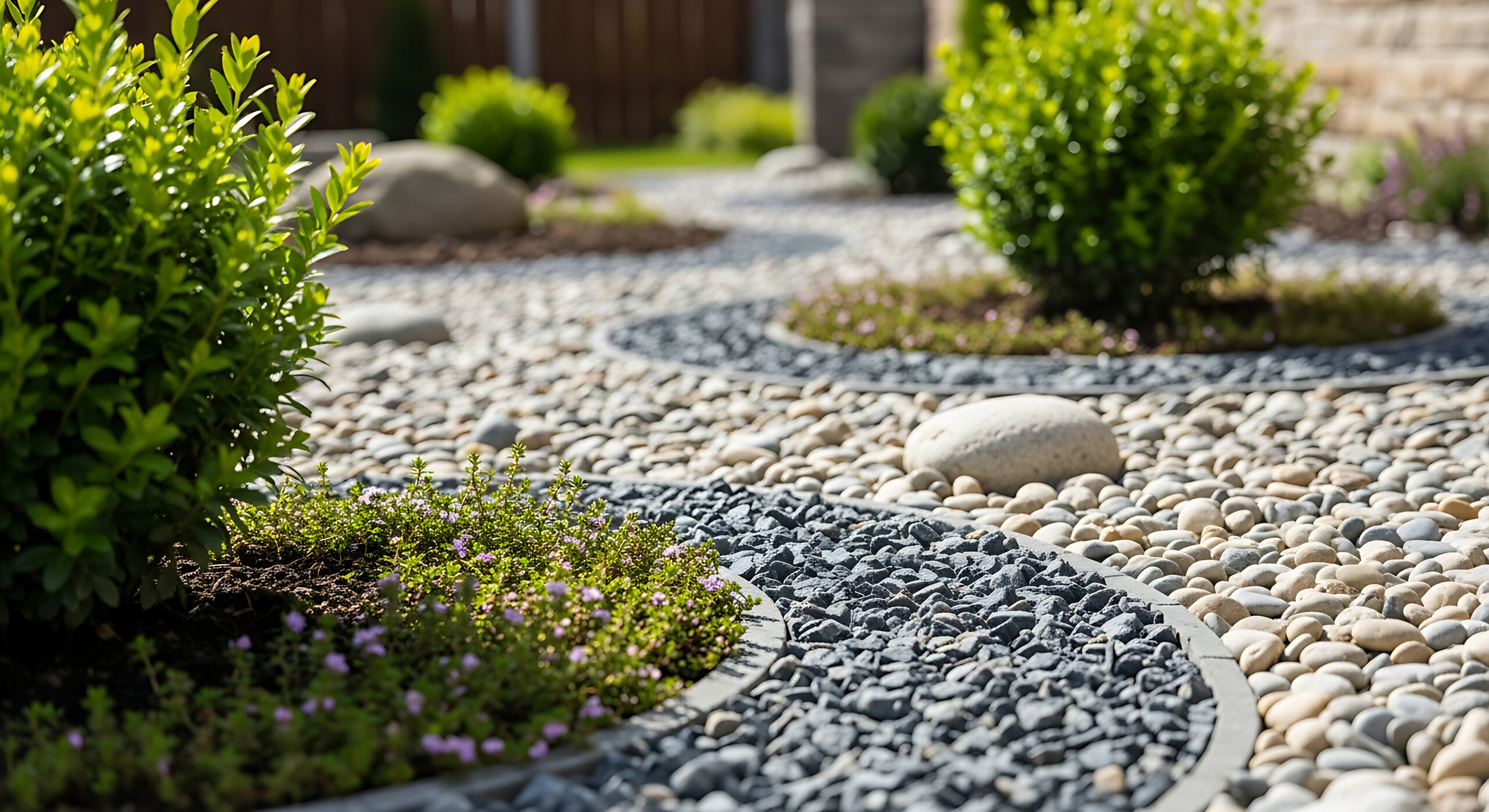
Layering landscaping rocks helps you create the right amount of visual weight. For decorative rock gardens, using larger boulders or decorative rocks for borders works well for establishing a visual line to follow. For additional inspiration on layering techniques, consider the refined arrangements with the Mexican beach pebble Washington, D.C. landscape architects often use to create clean visual transitions between border rocks and inner layers. Then, you can use mid-sized decorative rocks for the inner layers. You’ll also want to balance the size of these decorative rocks with the size of the beds. For example, you can use large five-inch decorative rocks to fill in expansive parts of the landscaping. Then you can use smaller two- to three-inch beach pebbles to fill any small gaps the larger decorative rocks create.
Whether you’re planning a decorative rock garden, a xeriscape layout, or a decorative border, RS&P Rock Stone & Pebble has the premium landscaping materials you need to bring your vision to life. As a landscape rock and supply superstore serving both residential and commercial customers nationwide, RS&P offers an exceptional selection of Mexican beach pebbles, river rocks, and decorative stones with fast, free delivery. Call us to explore the full collection and place your order today.
Frequently Asked Questions
How do you define borders in a decorative rock garden?
+
Use large decorative rocks or boulders to create natural decorative edging.
How do you avoid the “meatball effect” with large boulders?
+
Slightly burying large boulders about a third of their height into the ground helps them look more natural in decorative landscapes.
Can you mix decorative rock textures in xeriscaping?
+
Absolutely. Mixing textures heightens the visual appeal of decorative rock gardens.
Should you use several large boulders as focal points for big yards?
+
Yes, grouping large boulders in odd numbers makes eye-catching focal points.