Can You Go Overboard with the Decorative Rock Selection?
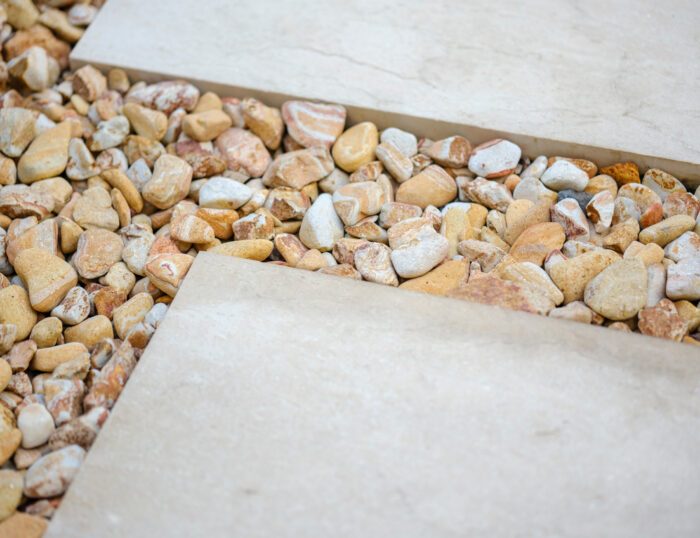
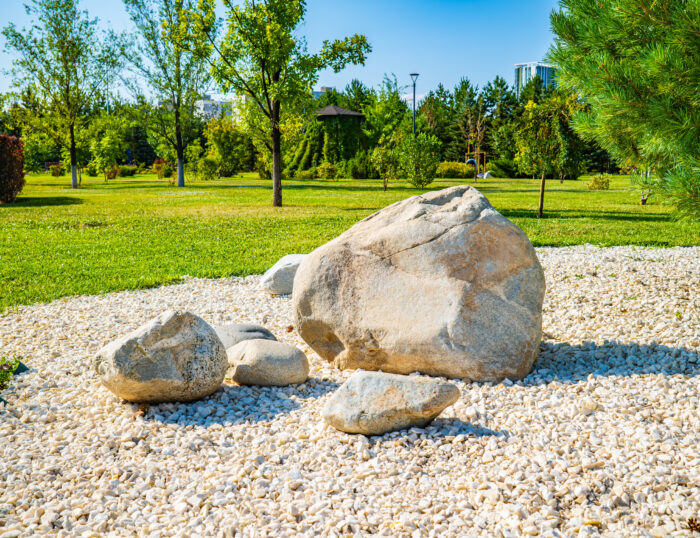
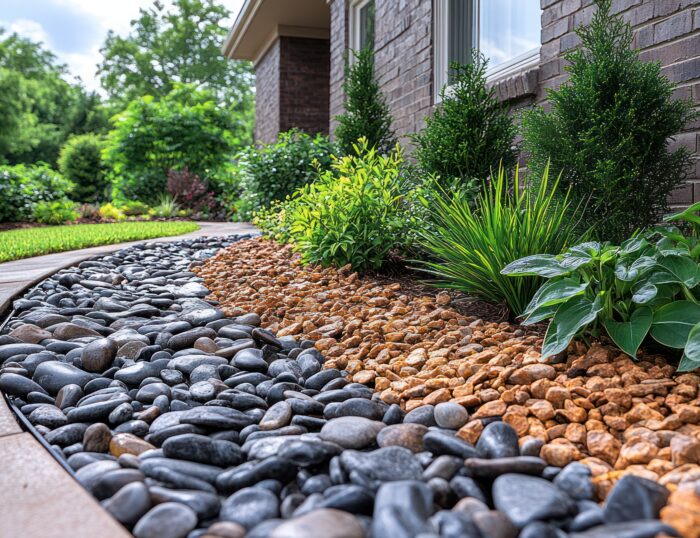
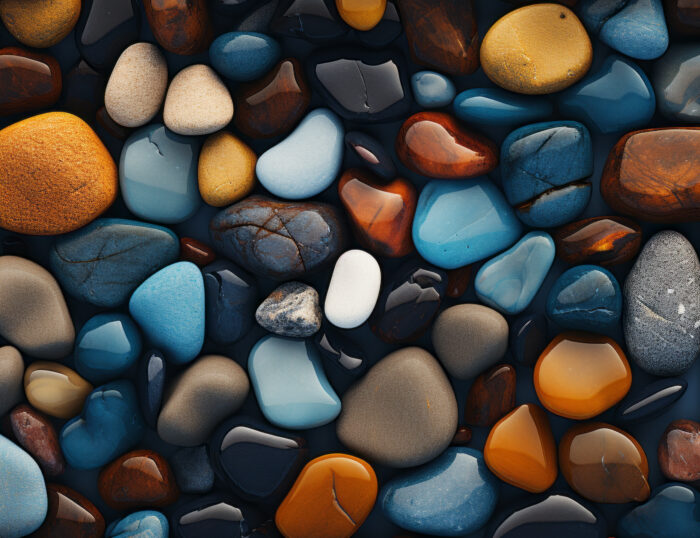
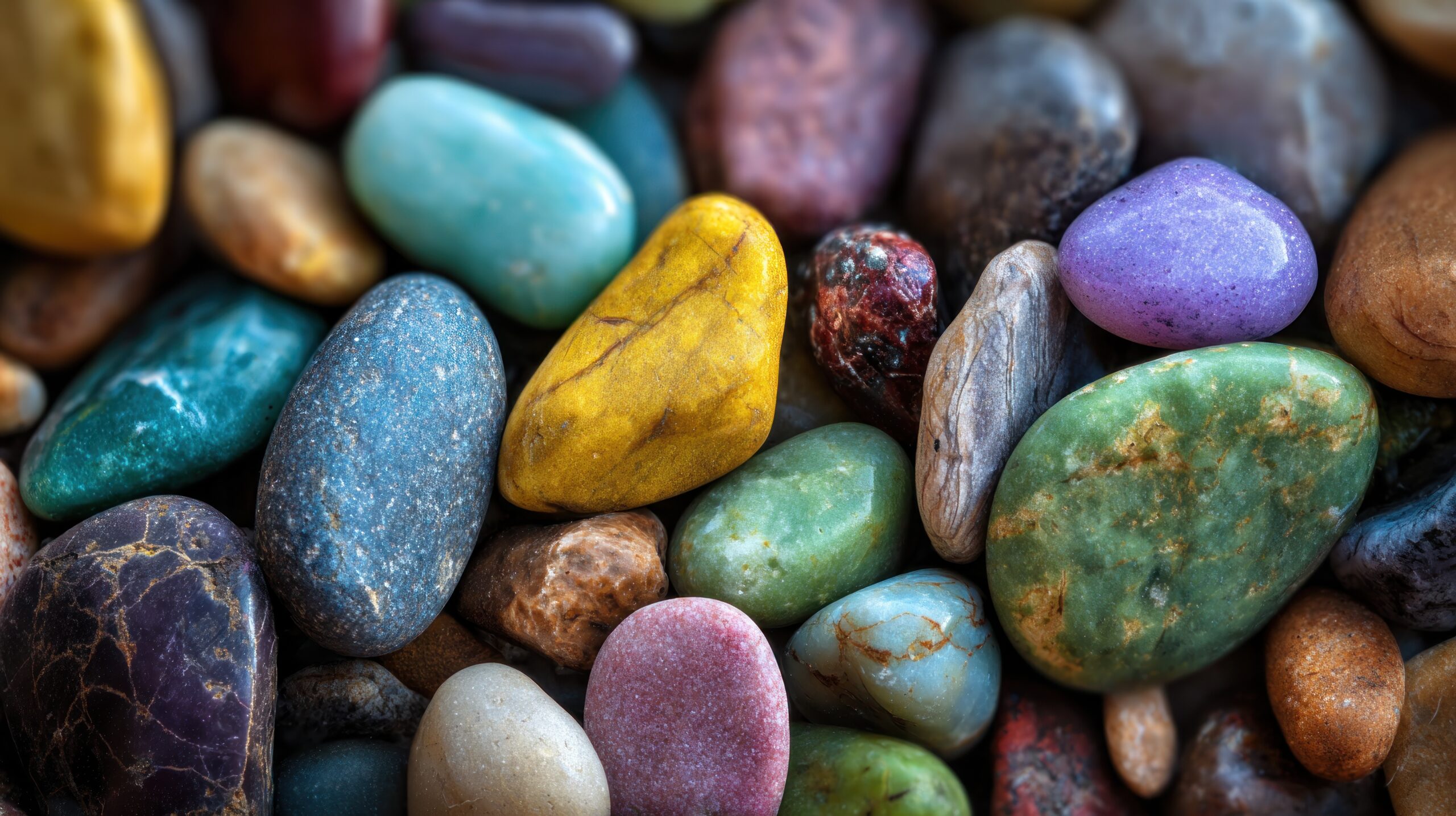
Landscaping rocks can often be mixed in a design plan to provide interest and additional curb appeal. But going overboard with too many varieties could cause the design to look unorganized. Try pairing two contrasting shades of rocks to define special areas. Or you might choose mixed pebbles that have a variety of colors but similar sizes to avoid visual overload. If you love the look of multiple types of decorative rock, consider creating several smaller decorative rock beds to incorporate them all while still maintaining an organized design. Homeowners searching for Mexican beach pebble Chicago suppliers offer often discover this smooth, versatile stone pairs beautifully with several contrasting rock varieties to create a polished, cohesive look.
What Happens if You Don’t Plan for Proper Drainage?
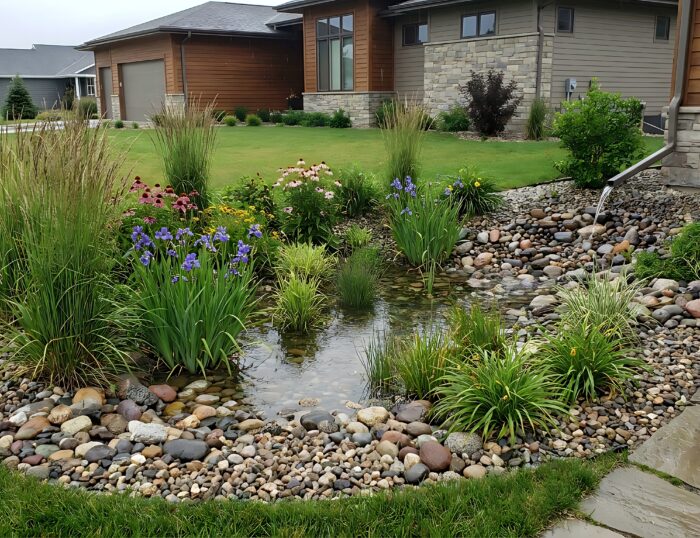
Beach pebbles are excellent for use in drainage areas because they can slow down the water runoff. But too much standing water can disrupt the soil beneath rocks and cause them to sink. Installing landscaping rocks on gentle slopes is best for keeping them in place. If your property has vast amounts of water accumulation, you may need to explore options that prevent pooling, such as French drains. Those who source the Mexican beach pebble Houston professionals recommend find that its rounded, dense surface holds up exceptionally well on sloped drainage areas without shifting over time.
Are Weeds a Major Problem in Decorative Rock Gardens?
Weeds can be an issue in decorative rock gardens, especially if your landscaping is already prone to developing rogue plants. Landscaping fabric provides a barrier that stops seeds from getting to the soil, and they block sunlight from any that already exist in the ground. Fortunately, decorative rock beds also deter weed growth due to their hard, nonporous surfaces that don’t allow for germination compared to the soil in grassy areas.
What Shapes Work Best for Decorative Rock Beds?
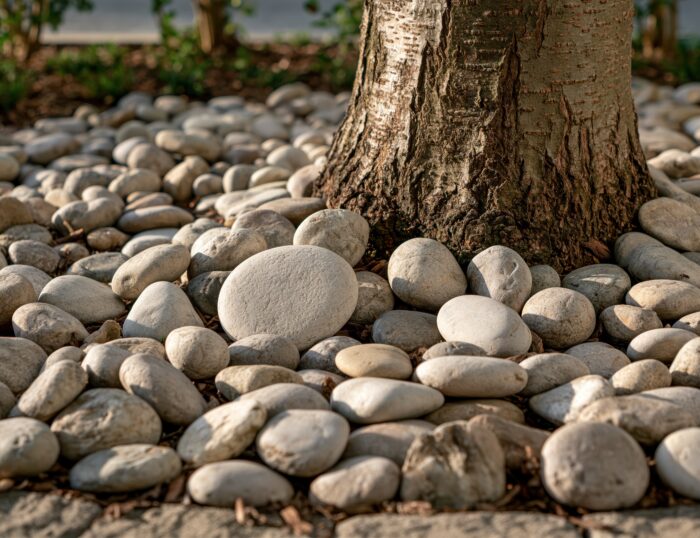
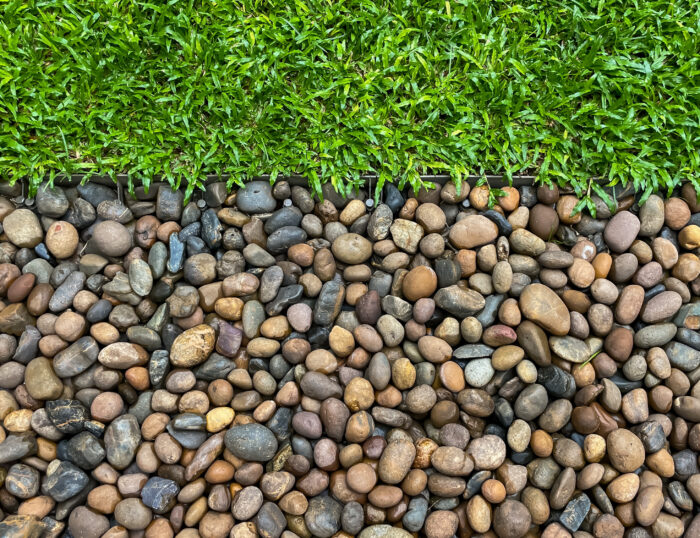
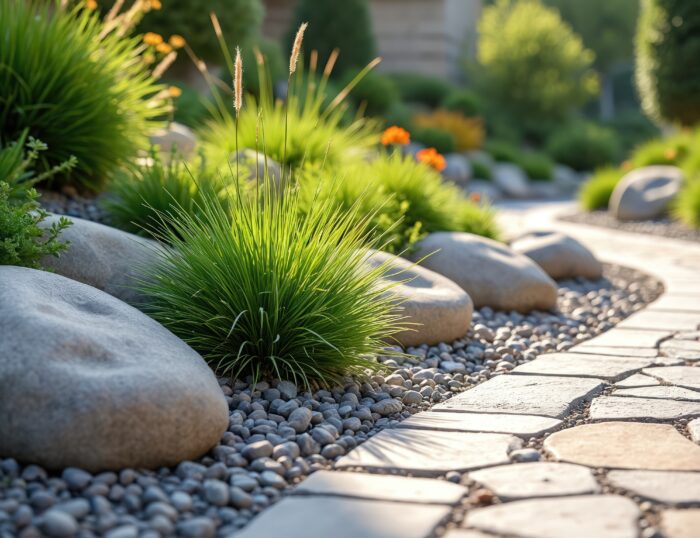
Most people prefer a slight curve to decorative rock beds and walking paths rather than defined points you’d see on a rectangle. The gentle curves of round beach pebbles and decorative rocks allow them to settle in closer to the edging materials to create a clean, well-defined look. Making sure to use edging materials that hold the decorative rocks in place is the best way to avoid having the design change shapes over time.
Are you ready to avoid costly rock design mistakes and create a landscape you’ll love for years to come? At RS&P Rock Stone & Pebble, we carry a wide selection of premium landscaping rocks, beach pebbles, and stones to suit every style and budget. Whether you’re just getting started or refining an existing design, our team is here to help you choose the right materials and get the quantities right the first time. Contact RS&P Rock Stone & Pebble today to explore our inventory and get expert guidance for your next landscaping project.
Frequently Asked Questions
How do you avoid underestimating how many rocks you need?
+
Using a beach pebble calculator makes it easier to get a closer estimate by putting in the dimensions of the decorative rock bed to find out how many pounds or tons of landscape rock you need to purchase.
How many types of decorative rocks can you use in a landscaping design without going overboard?
+
Most people aim to use two to three varieties of landscaping pebbles to add interest to the space.
How do you maintain decorative rock beds?
+
You can put your mower into storage, but you might need to use a leaf blower and water hose to remove debris.
How do you select the right size of decorative rocks for landscaping designs?
+
Choose smaller decorative rocks for walking paths and use them in areas where you want them to nestle close together. Large decorative rocks work well for erosion control and retaining walls.