How Can Decorative Landscaping Rocks Affect Drainage?
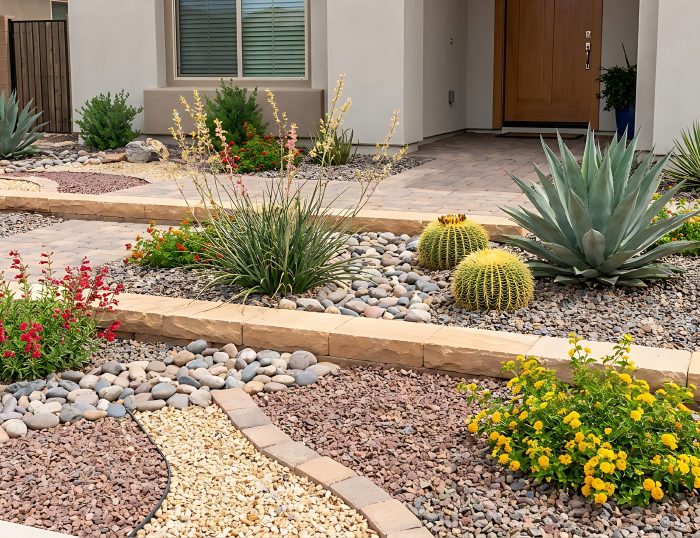
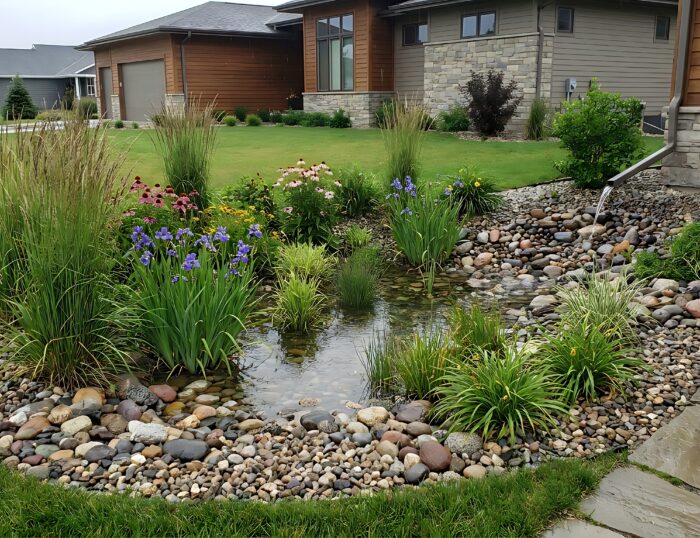
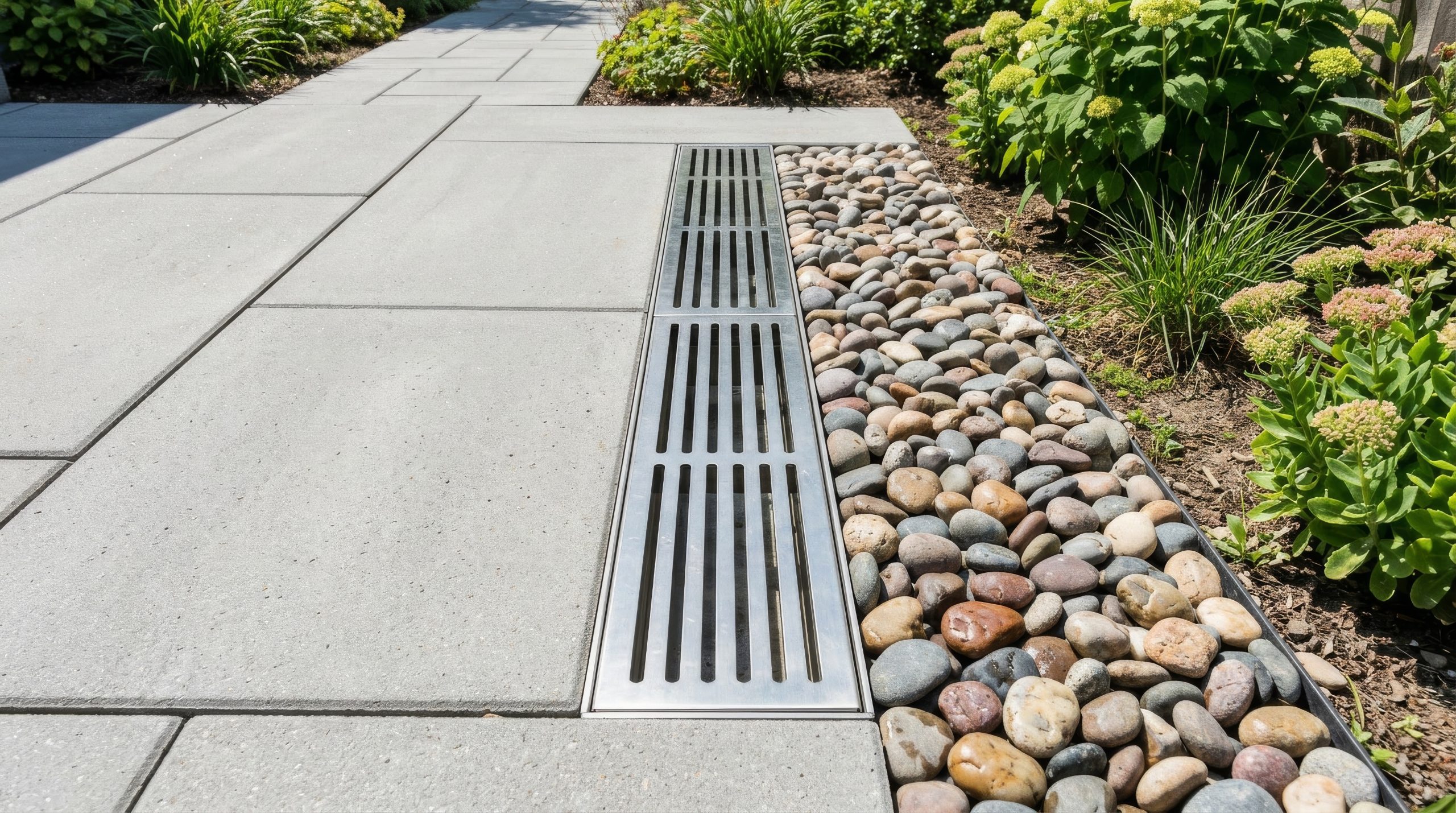
Decorative rocks don’t typically absorb water, which means their placement impacts how water moves along the ground around them. Properly installed decorative rock beds direct water away from vulnerable parts of your property, such as the house’s foundation. Keep in mind, however, that compacted soil beneath the decorative rocks can stop infiltration and make water run off or start to pool. Decorative rocks can be an excellent drainage solution, but it’s important to prep the decorative rock beds properly to avoid hidden water issues.
Can Landscaping Rocks End Up Causing Drainage Problems?
A poorly graded landscape could encourage water to pool around and beneath decorative rock beds. Debris, fine soil, and mulch can also fill in the gaps between decorative rocks and reduce drainage over time. Placing decorative rocks against structures without doing proper grading can actually cause moisture problems. Taking some time to evaluate existing drainage patterns in the yard before you add decorative rocks can prevent issues from happening.
How Should You Install Landscaping Rocks for Proper Drainage?
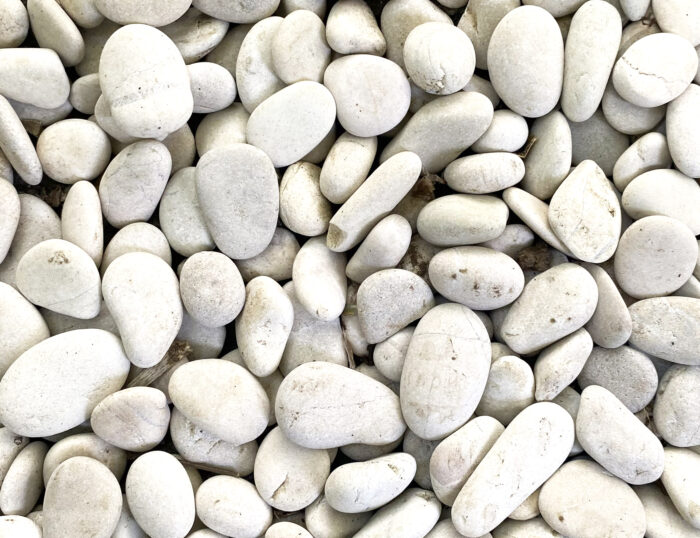
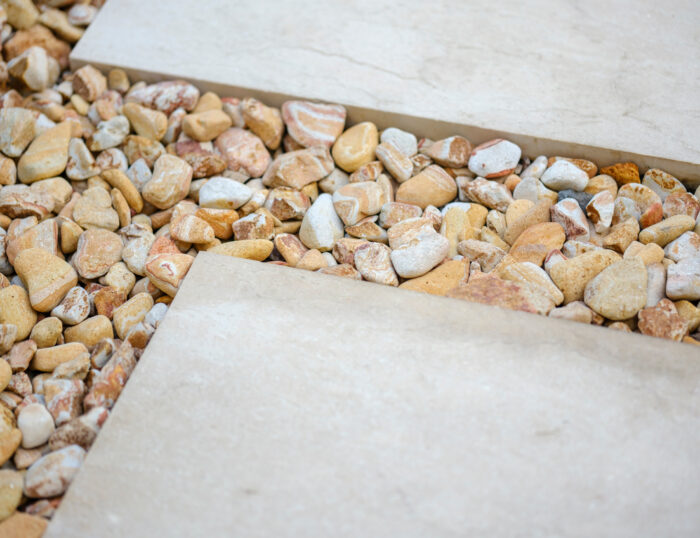
You’ll first want to remove debris, weeds, and any other materials that might interfere with drainage in the decorative rock bed. You’ll also want to start with proper grading that includes a gentle slope to help water move toward your preferred drainage area. You can also select the proper decorative rock size and type to fit the area’s drainage needs. For example, many people place crushed granite or smaller beach pebbles as a bottom layer before stacking larger beach rocks on top. The Mexican beach pebble Phoenix homeowners use in xeriscaped yards performs best when it sits on a well-graded base that channels sudden monsoon rains away from the house. As you add the decorative rocks to the area, make sure to keep downspouts and other drainage features clear on your property.
Which Types of Decorative Landscaping Rocks Work Best for Different Areas?
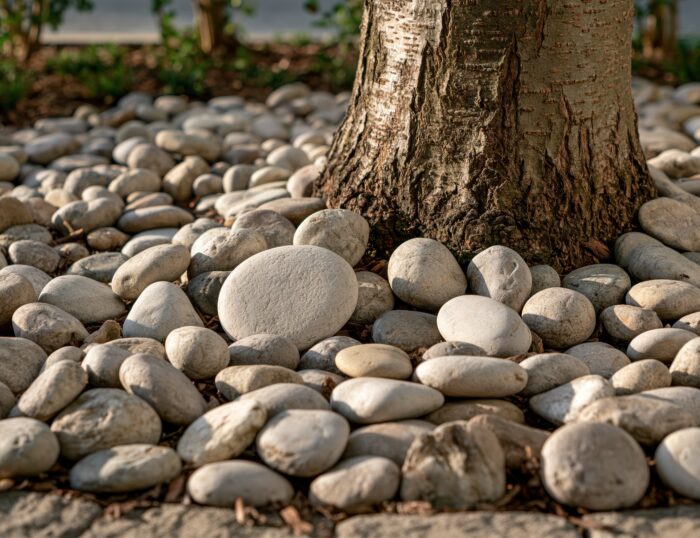
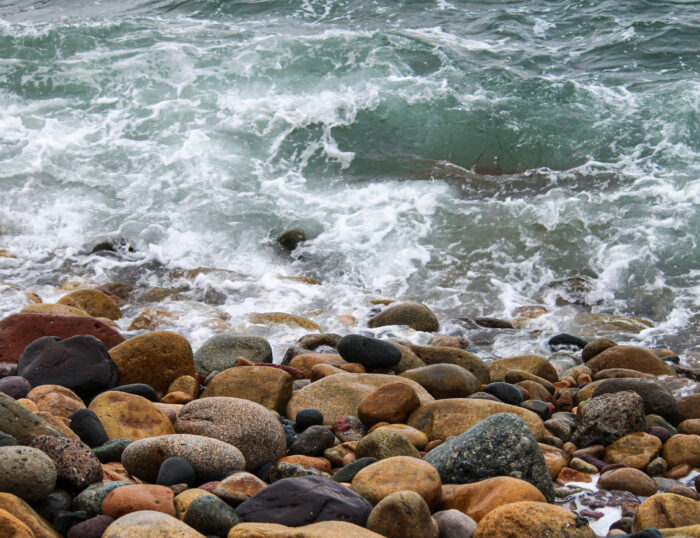
Working with a decorative rock supplier that offers a versatile selection of different sizes and types allows you to select the best ones to suit your property’s drainage needs. Smaller beach pebbles can work as filters that allow water to gently flow around them, but you’ll want to avoid using them in areas where they might shift in heavy currents. Larger decorative stones won’t move out of place, but they may not provide suitable drainage for every application. Mixing the two can give you the best of both worlds, since the heavier decorative rocks on top can stop beach pebbles from moving. The Mexican beach pebble Philadelphia property owners select for garden beds and walkways can also stay in place through heavy spring storms when paired with larger accent stones.
Good drainage starts with the right materials, and RS&P Rock Stone & Pebble makes it easy to find them. We carry a wide range of decorative landscape pebbles, rocks, and stones in sizes and colors that fit any drainage need or design style. Whether you’re building a new decorative rock bed or fixing a spot where water keeps pooling, our team can help you pick the right combination for your property. Contact RS&P Rock Stone & Pebble today to look through our selection and start your next landscaping project.
Frequently Asked Questions
Can decorative rocks improve drainage?
+
Yes, decorative rocks can improve drainage when you do the proper prep work.
Should you put landscaping fabric down before installing decorative rocks?
+
Landscaping fabric can keep soil and weeds from accumulating between decorative rocks where they can disrupt drainage flows.
Can decorative rocks contribute to water pooling on your property?
+
Yes, decorative rocks can cause drainage issues if they’re placed on compacted soil without proper grading.
Are large rocks better for drainage?
+
Both large rocks and smaller beach pebbles play roles in creating good drainage, and you can choose the right type by assessing the soil and drainage needs for your property.