How Do You Start Planning a Desert Landscape?
The first thing you’ll want to do is begin identifying microclimates in the lawn area. Take some time to observe your property at various points of the day to identify where and when it gets full sun, partial shade, and total shade. You can then use this information to guide your decisions on where to place native low-water plants.
What Do You Use for Focal Points in Low-Water Landscapes?
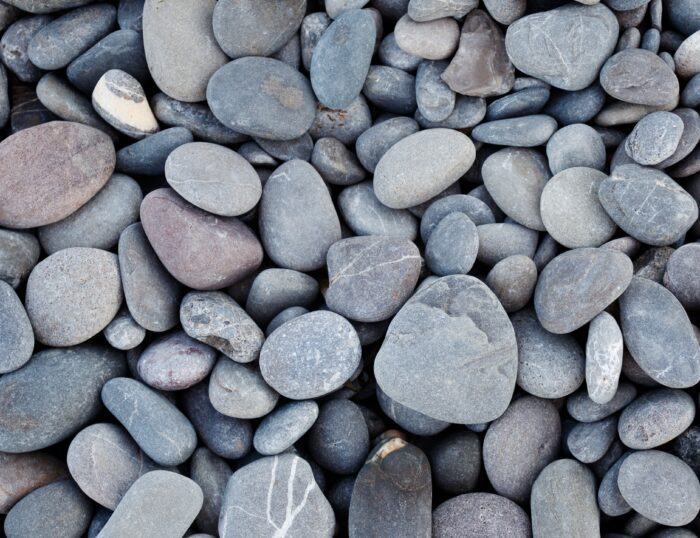
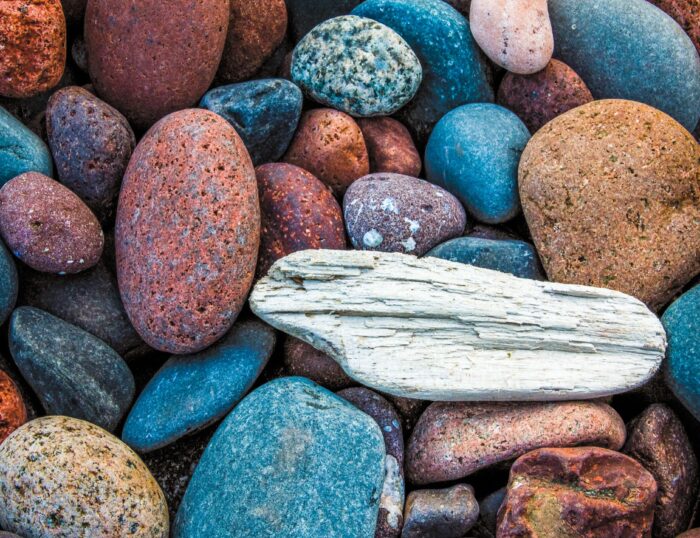
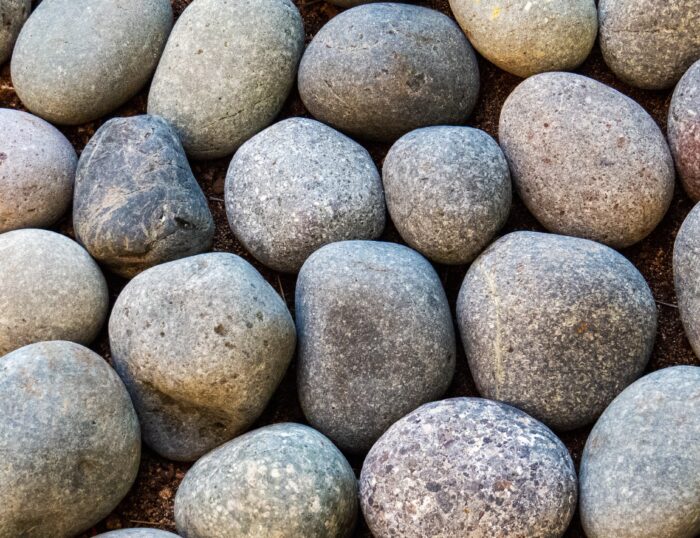
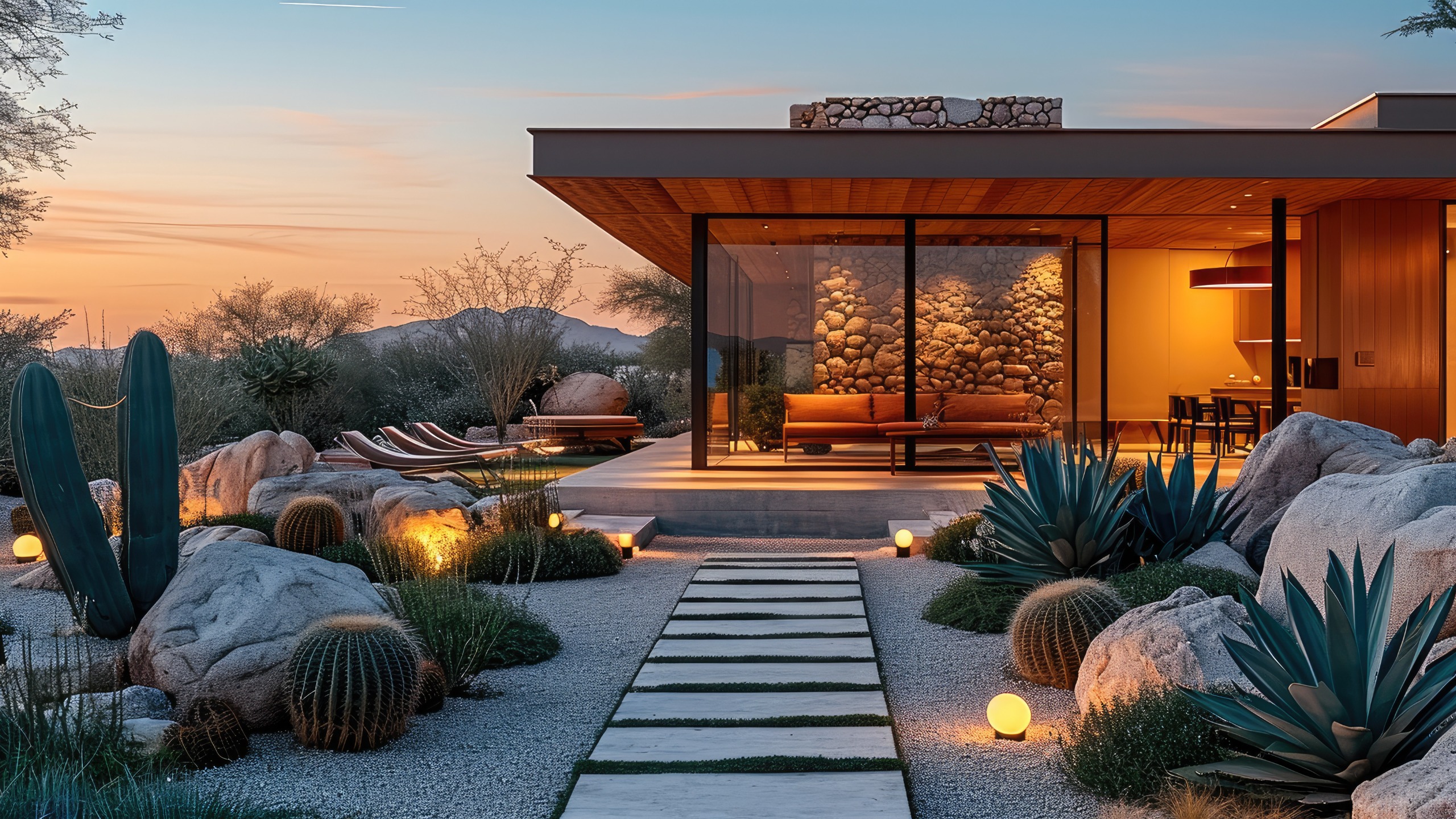
Removing green grass, bushes, and high-need trees gives you some freedom to choose more unique decorative elements. For instance, large boulders draw the eye to specific areas. You can also choose striking types of cacti to add height and color to a rocky landscape. Decorative rock beds filled with various colors of landscaping pebbles can also create the perfect background for a few strategically placed plants, and Mexican beach pebble Raleigh landscapers frequently recommend adds a smooth, natural texture that complements desert-themed designs beautifully.
What Types of Plants Can You Include in This Type of Landscaping Design?
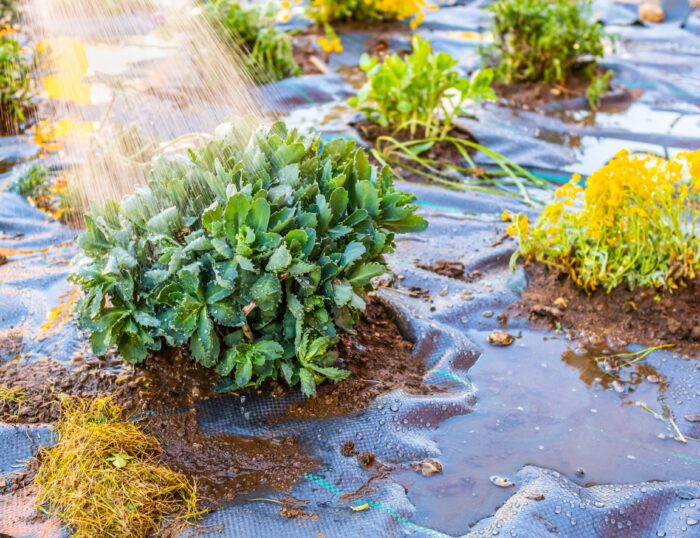
Desert-friendly plants are perfect for adding beauty to the landscape without having to spend hours watering and mowing a grassy lawn. Succulents and cacti, such as agave, yucca, and barrel cactus, are fun additions to desert landscapes, and they give the design plan a realistic touch. For color, consider planting rosemary and other low-water herbs that flower on occasion. To maximize efficiency, consider grouping plants with similar needs for water and sunlight in decorative rock beds throughout your property.
What Kinds of Hardscaping Work Best with a Desert Theme?
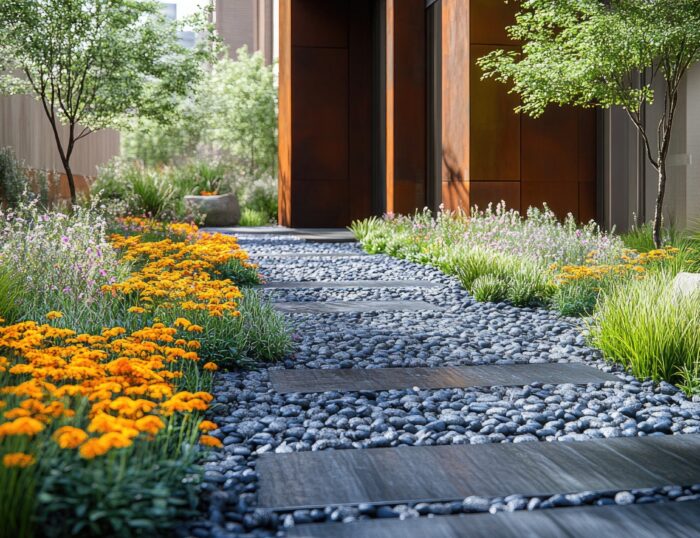
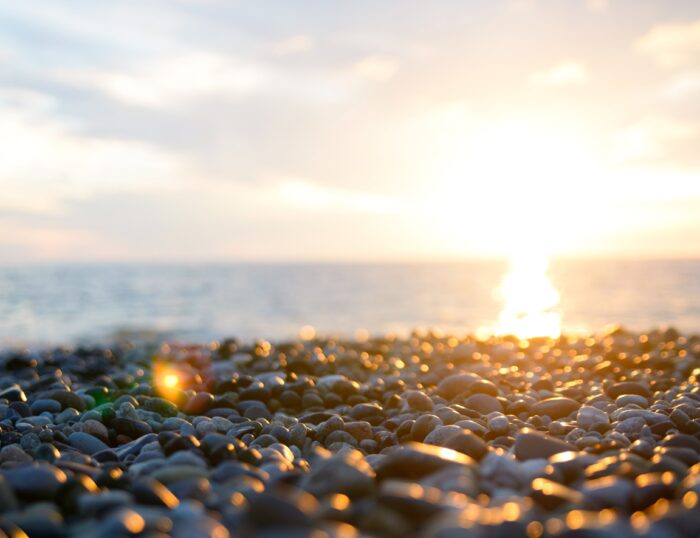
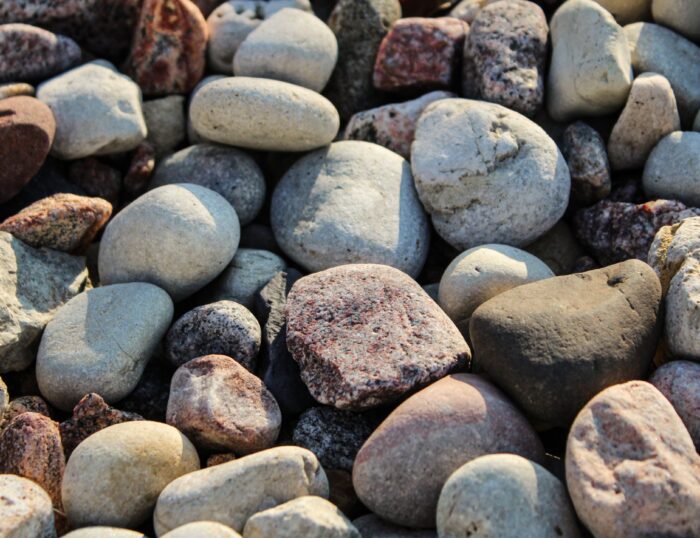
When you think about a desert, you likely think of rocky, sandy landscapes. Although sand will easily erode during rainstorms, you can achieve a desert aesthetic by choosing smaller landscaping pebbles in golden brown hues. Mexican beach pebble Miami homeowners use for paths and ground cover is another excellent option that keeps with the desert theme while minimizing maintenance. For larger areas that need ground cover, river rocks work well for keeping with the theme and minimizing the need for heavy-duty maintenance. These types of decorative rocks also work well for creating walking paths and outdoor seating areas.
For advice on adding value and curb appeal to your home with a beautiful desert landscape that includes decorative rocks and beach pebbles, reach out to the experts at RS&P Rock Stone & Pebble, a premier landscape rock and supply superstore. We specialize in drought-tolerant landscaping materials, including a variety of colored pebbles and river rock. To learn how we can help you enhance the look of your home, call us toda
Frequently Asked Questions
Can you add color to a desert landscape?
+
Insurance protects your business, while a surety bond protects your clients or government agencies by guaranteeing your contractual performance.
Do water features fit into desert landscaping designs?
+
They can because deserts still contain streams and areas where water may pool after storms. Just remember to keep them natural by choosing stones and beach pebbles that fit the theme.
Can desert landscapes really save water and energy?
+
Yes, this type of landscaping is well known for being one of the most sustainable, especially when you eliminate grass.
How do you create shade in desert landscaping plans?
+
Certain shade trees, such as mesquite and palo verde, work well for adding height and sun protection on your property. Pergolas, retaining walls, and other vertical structures can also add shade to specific parts of your yard.