How Do You Create Focal Points in Drought-Resistant Gardens?
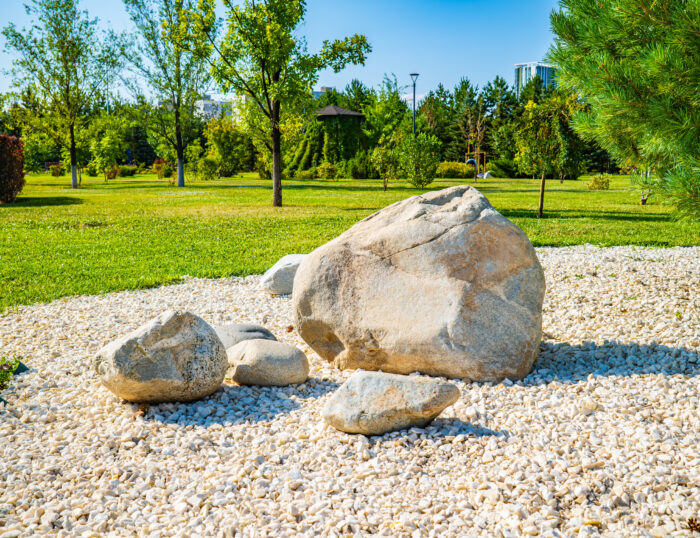
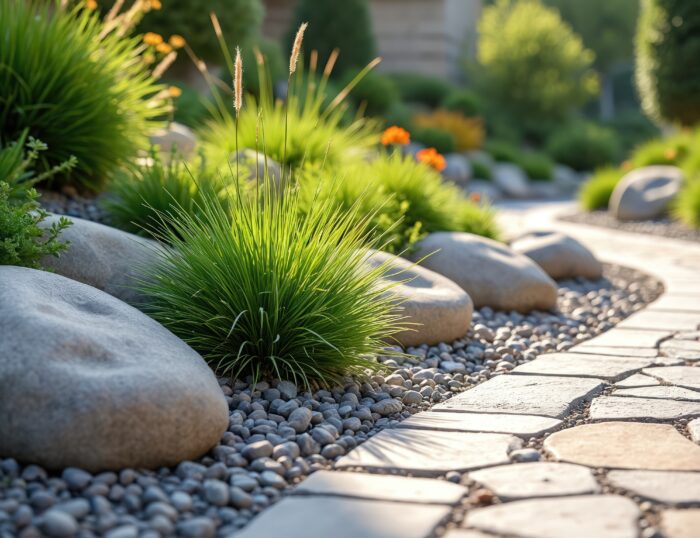
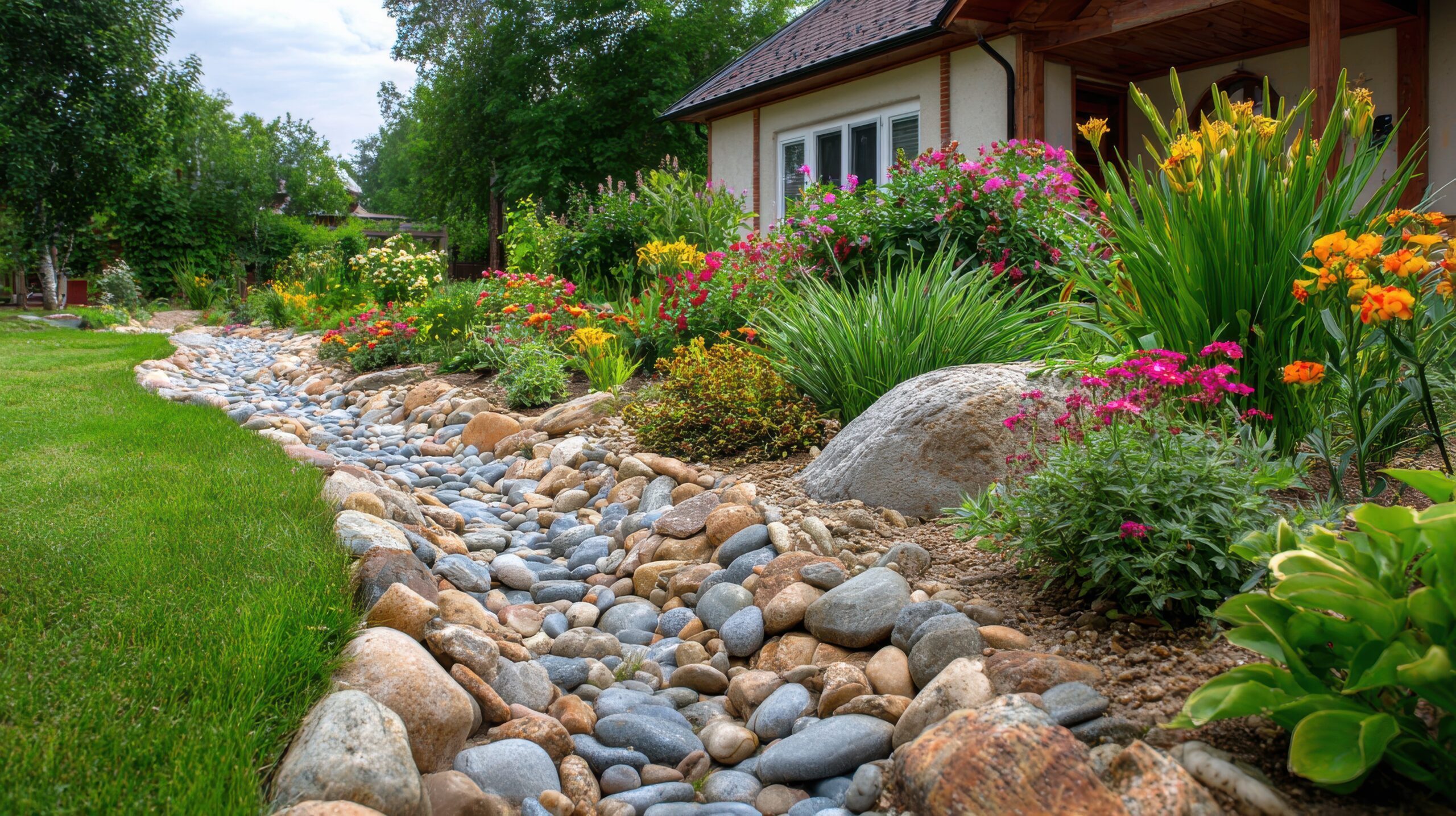
Creating focal points keeps drought-resistant landscapes attractive, and you have several options for making attractive focal points. Large boulders come in a variety of colors and patterns, with unique striations that capture attention. Using these in the garden can boost curb appeal without the need for watering. However, you might also choose ornamental grasses or tall succulents to add height.
Which Types of Landscaping Rocks Work Well as Ground Cover?
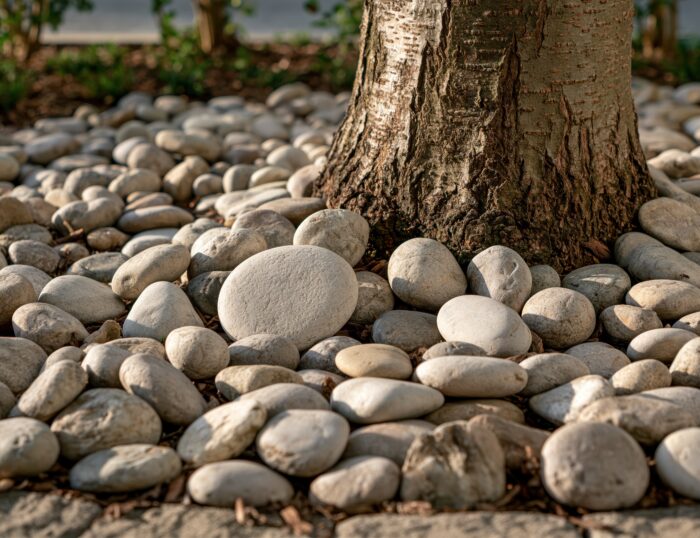
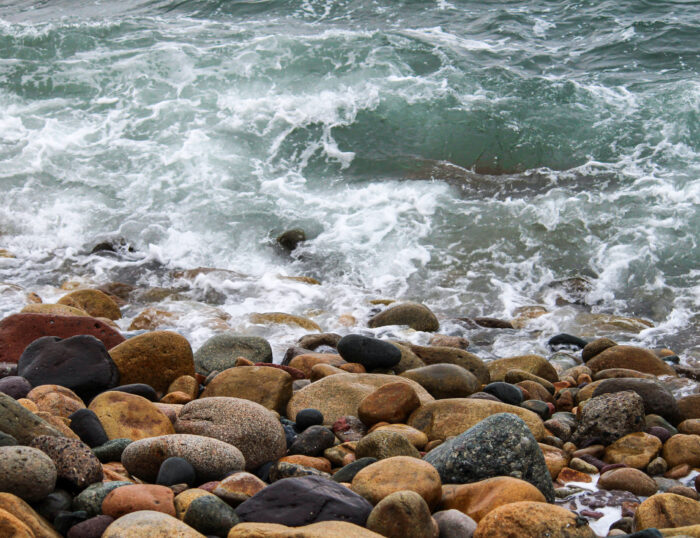
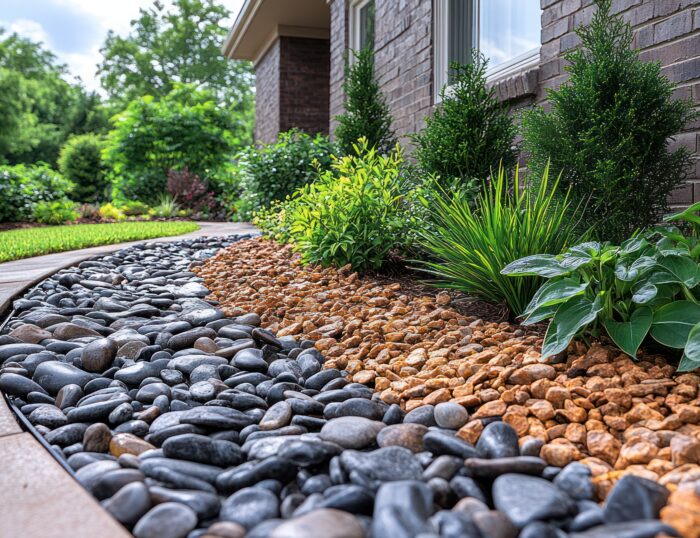
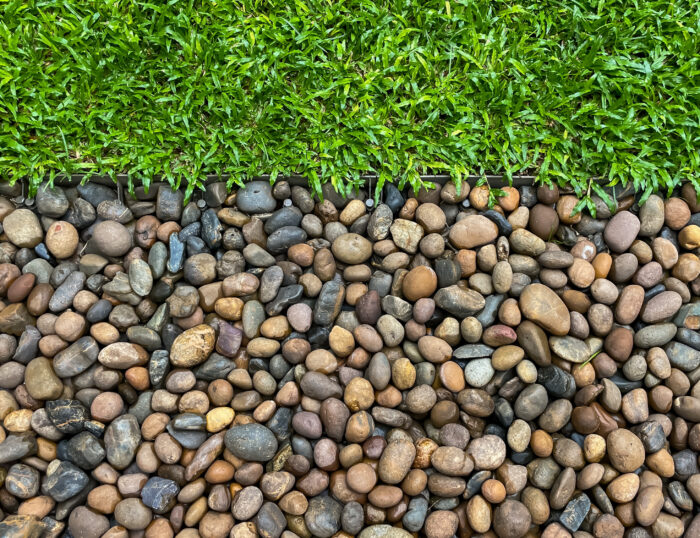
In warmer regions where drought-resistant landscaping is popular, such as where you might find the Mexican beach pebble Austin garden centers carry, beach pebbles work beautifully as ground cover, especially since you can choose ones in larger sizes to fill in large swaths of the landscape. However, you can also choose smaller river rocks and beach pebbles for drought-resistant flower beds that define specific parts of the yard.
What Kinds of Plants Grow Well in Decorative Rock Gardens?
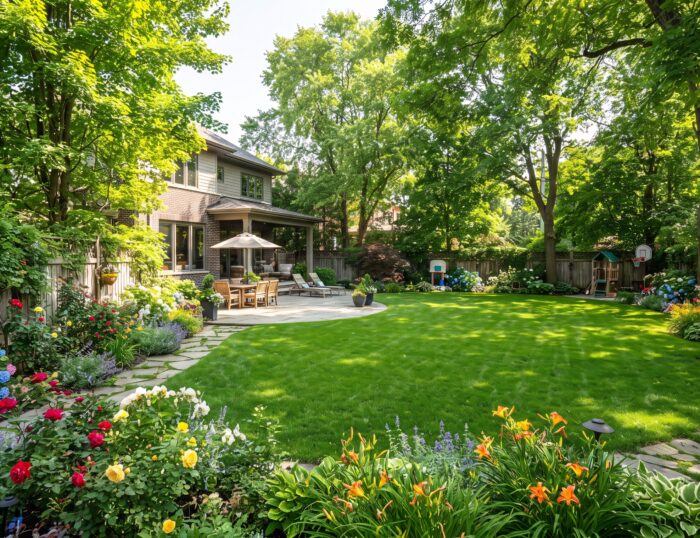
\Placing a few plants strategically in decorative rock gardens adds color and a sense of life that infuses the area with beauty, and pairing low-water plants with materials like the Mexican beach pebble Jacksonville landscape designers favor can create a polished, cohesive look throughout the space. Low-water plants, such as lavender, rosemary, and juniper, work well in these areas. Creeping thyme and ice plant are two additional types that work well as ground cover that will spread across the decorative rocks to add a touch of softness to the overall decorative rock garden.
Should You Use Smaller Decorative Rocks as Mulch?
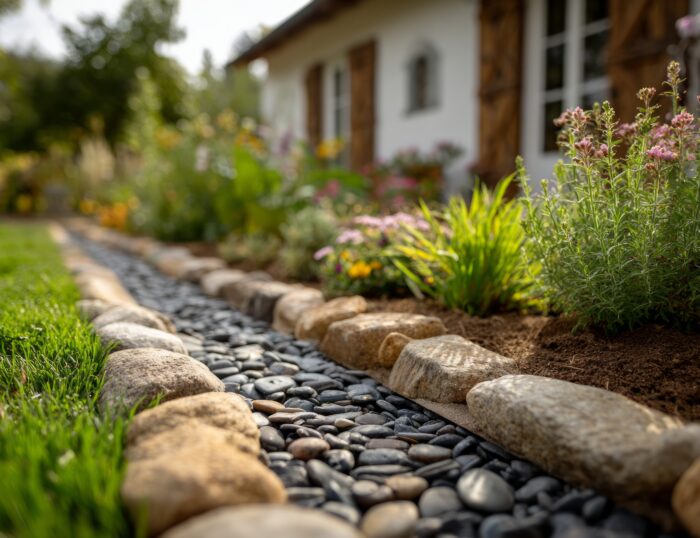
Smaller river rocks and beach pebbles are ideal for use as mulch. Since decorative rocks don’t break down like wood chips, they’re a more sustainable option. You can also choose lighter rocks to reflect sunlight up toward taller plants. Meanwhile, darker rocks maintain warmth at the base of the plants while promoting good drainage that supports root health.
Are you ready to transform your yard into a stunning water-wise retreat? At RS&P Rock Stone & Pebble, we carry a wide selection of decorative rocks, boulders, beach pebbles, and more to bring your drought-resistant garden vision to life. Whether you’re building a decorative rock garden from scratch or refreshing your existing landscaping, our team is here to help you find the perfect materials for every area of your yard. Visit RS&P Rock Stone & Pebble today to explore our inventory and start designing the beautiful, low-maintenance outdoor space you’ve always wanted.
Frequently Asked Questions
What’s the difference between insurance and a surety bond?
+
Feather reed grass, fountain grass, and blue fescue are a few ornamental varieties that thrive in river rock beds.
How do you choose enough decorative rocks for a drought-resistant garden?
+
You’ll need to measure the length, width, and depth of the garden area. Then you can use a rock calculator to find out the amount you need to order.
Should you vary landscaping rock sizes in your front yard?
+
Yes, choosing landscaping rocks in varying sizes creates visual interest in landscape designs. Plus, you’ll find that different sizes of decorative rocks serve various purposes, such as sitting closer to the base of plants or being big enough to fill up large areas.
How do you keep decorative rocks in their places?
+
You can use larger rocks to create defined edges around decorative rock gardens with smaller beach pebbles. Decorative edging materials can also keep rocks in their spaces.