How Do Your Decorative Rock Choices Impact Your Landscaping?
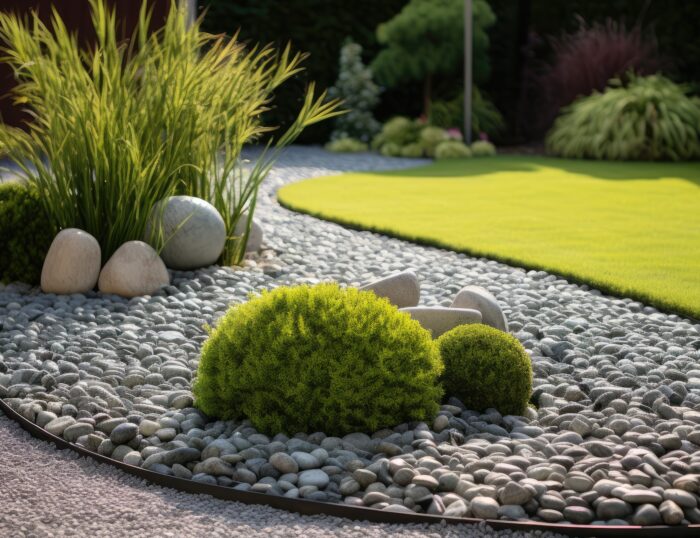
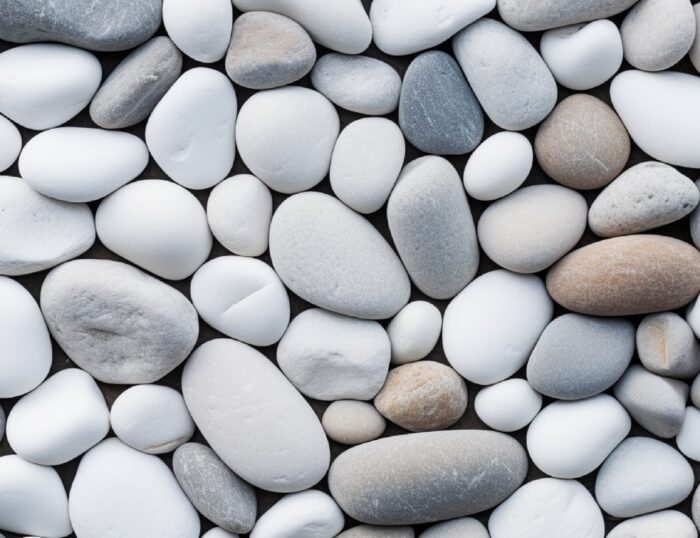
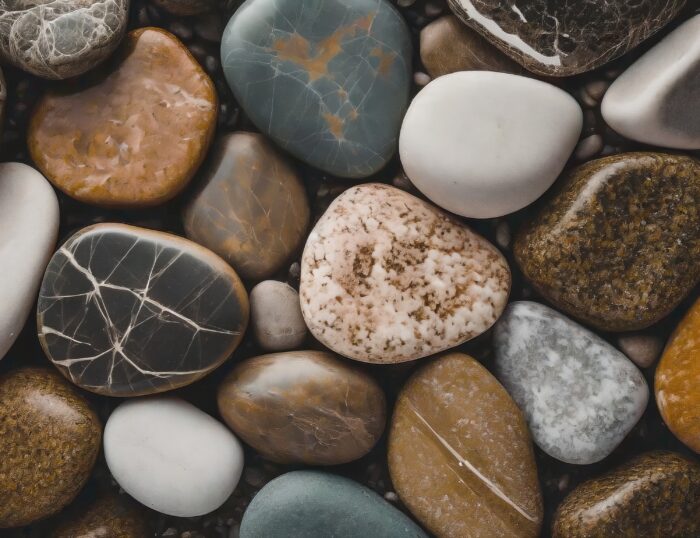
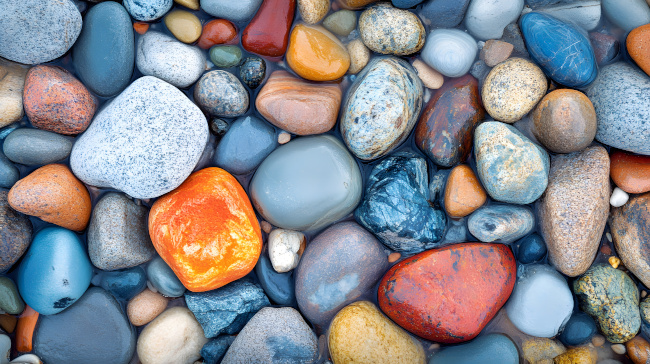
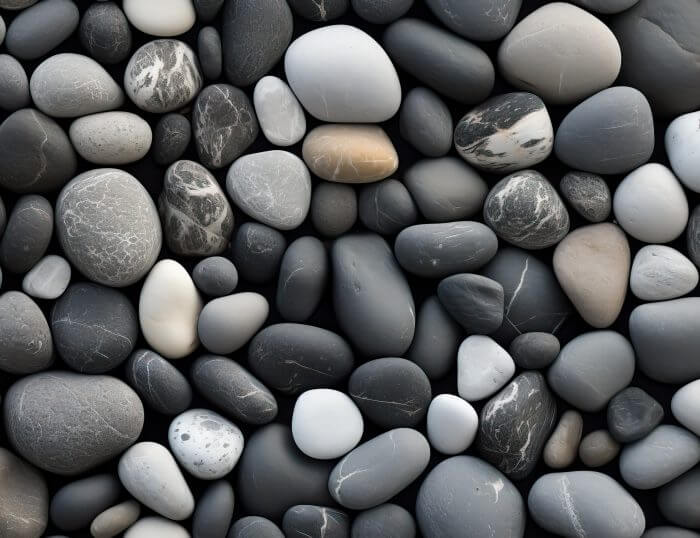
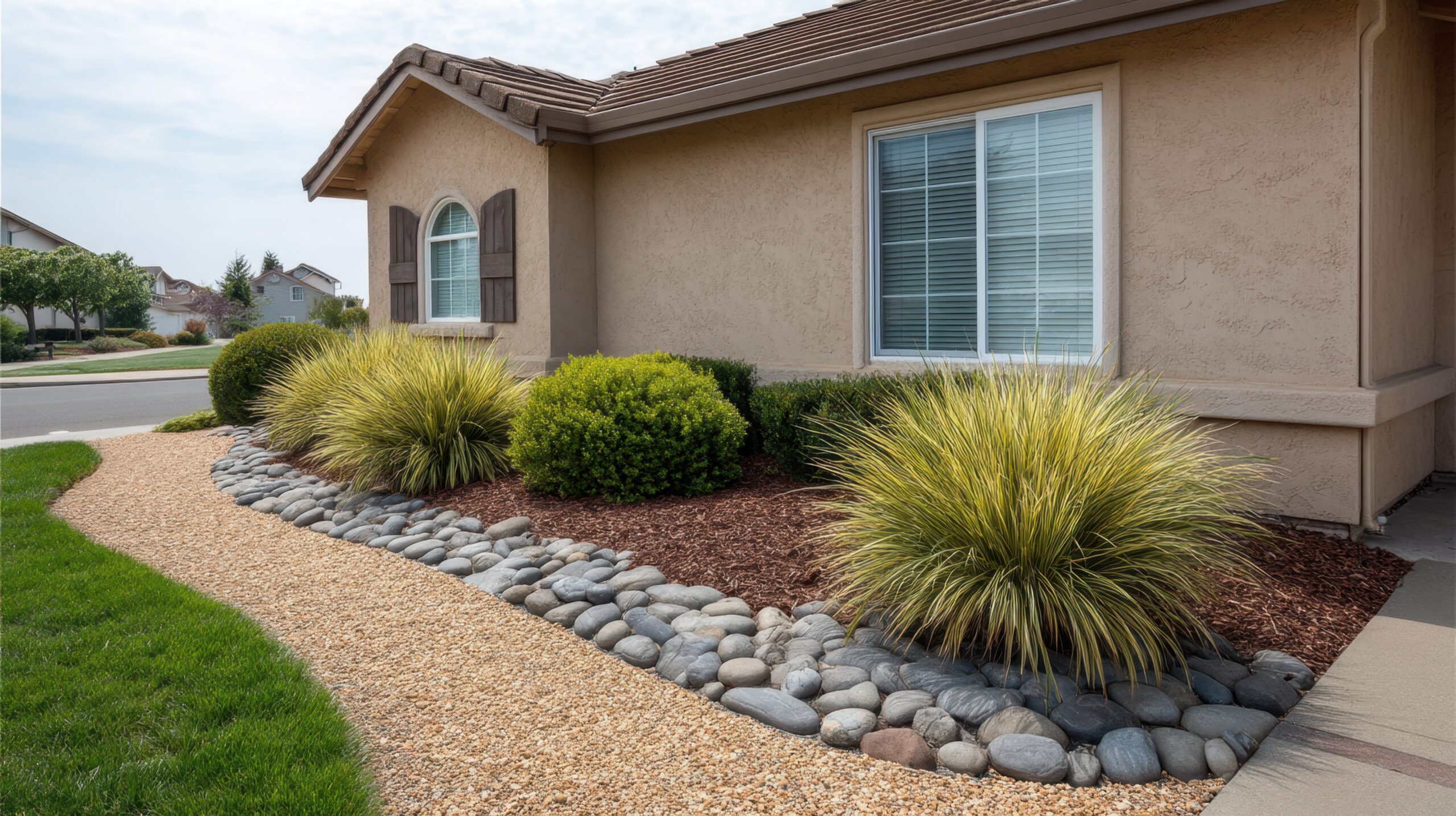
Decorative rocks do far more than just make your land look attractive. Decorative rocks also play a big role in regulating the environment around your plants. Some decorative rocks, like polished black pebbles, can add extra heat to keep soil at the correct temperature. Options like river rocks also reduce moisture buildup so you can avoid soggy soil. Furthermore, decorative rocks control weed growth so only the plants you want to grow will grow. For homeowners seeking a sleek, modern finish, Mexican beach pebble Dallas suppliers carry is a popular choice that complements a wide range of native plant arrangements.
Do You Need Native Rocks for Your Native Plants?
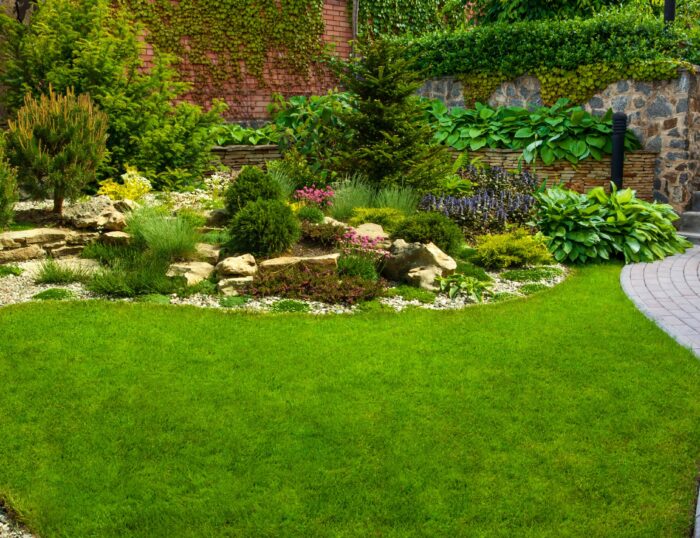
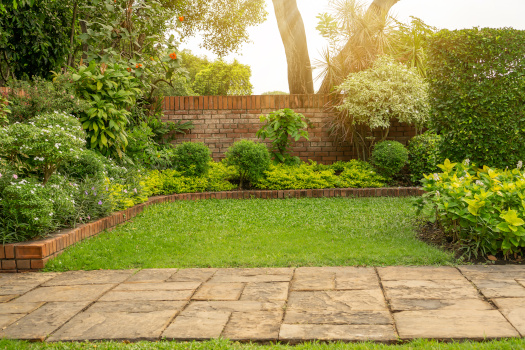
When growing native plants, mimicking their natural environment is ideal. This doesn’t mean you need native rocks that match the decorative rocks in your area perfectly. However, you’ll often benefit from choosing decorative rocks of a similar size. This ensures the drainage level and weed growth are compatible with your plants’ natural habitat. Gardeners in warmer climates who source Mexican beach pebble San Jose nurseries stock have found it pairs especially well with drought-tolerant native plants.
Which Decorative Rocks Work Best with Which Soil Types?
Here are some ways you can correct common soil issues and create a better environment for your native plants:
- Sand – Go with small beach pebbles to prevent erosion.
- Clay – Choose porous slate or river rocks to help with drainage.
- Silt – Rounded beach pebbles will reduce the risk of further compaction.
How Do You Pick the Right Decorative Rocks for Your Desired Plants?
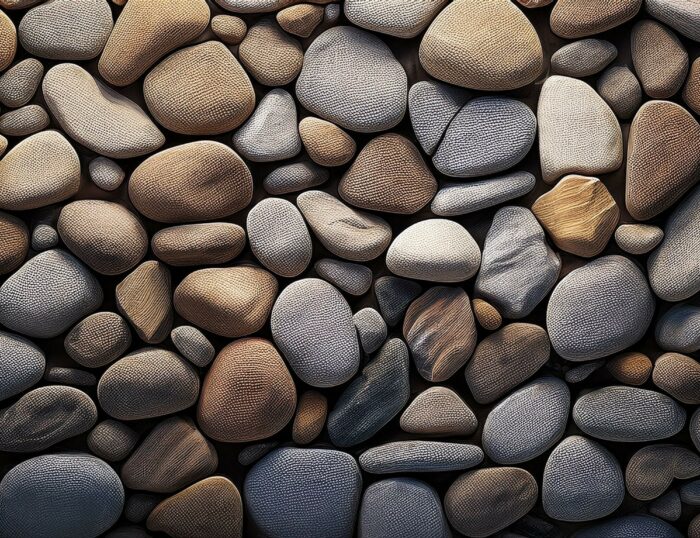
To find the right decorative rocks for your plants, start by looking at your plants’ moisture requirements. Check to see if they would benefit from the drainage of a smaller beach pebble or not. Next, look at their temperature requirements. Heat-loving plants will do better with dark-hued decorative rocks that capture and store warmth. Finally, you’ll want to consider the plants’ size. Smaller decorative rocks work better for shorter, clustered plants, while larger plants and trees need bigger rocks.
Are you looking to transform your yard with the perfect decorative rocks for your native plants? At RS&P Rock Stone & Pebble, we carry a wide selection of premium decorative rocks and landscape pebbles to suit every soil type, plant variety, and landscape vision. Whether you’re starting a new project or refreshing an existing space, our team is here to help you make the right choice. Visit RS&P Rock Stone & Pebble today or contact us to get expert guidance and find the decorative rocks that will make your landscape thrive.
Frequently Asked Questions
What decorative rocks look best with native plants?
+
If you want a natural look, choose matte rocks with more irregular shapes and colors.
Do native plants need decorative rocks around them?
+
Though rocks aren’t a requirement for native plants, they usually make it easier to grow and maintain them.
What native plants work best with decorative rocks?
+
Succulents and drought-tolerant plants often thrive near decorative rocks.
Are decorative rocks or wood mulch better for native plants?
+
Rocks are better if you want a long-term solution that highlights the beauty of your native landscaping.