How Long Have Rocks Been Used in Decorative Landscaping?
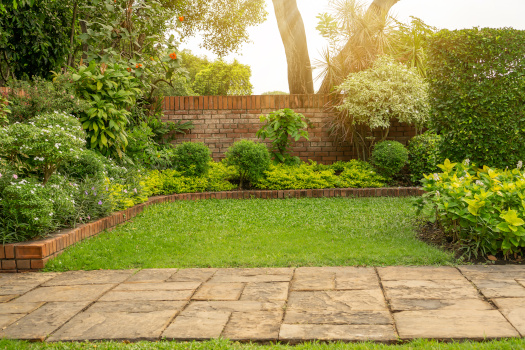
For as long as humanity has been practicing agriculture, decorative rocks have been used for things like borders and walls. Even in ancient Egypt, there’s evidence of decorative rocks being used in gardens as borders around herb beds and ponds. The history of decorating gardens with rocks goes back thousands of years.
What Are Some Cultures that Use Decorative Rocks?
There have been fascinating examples of landscaping with decorative rocks all around the world, including:
- Gravel or crushed stone chips circling sculptures and highlighting walkways in Roman gardens
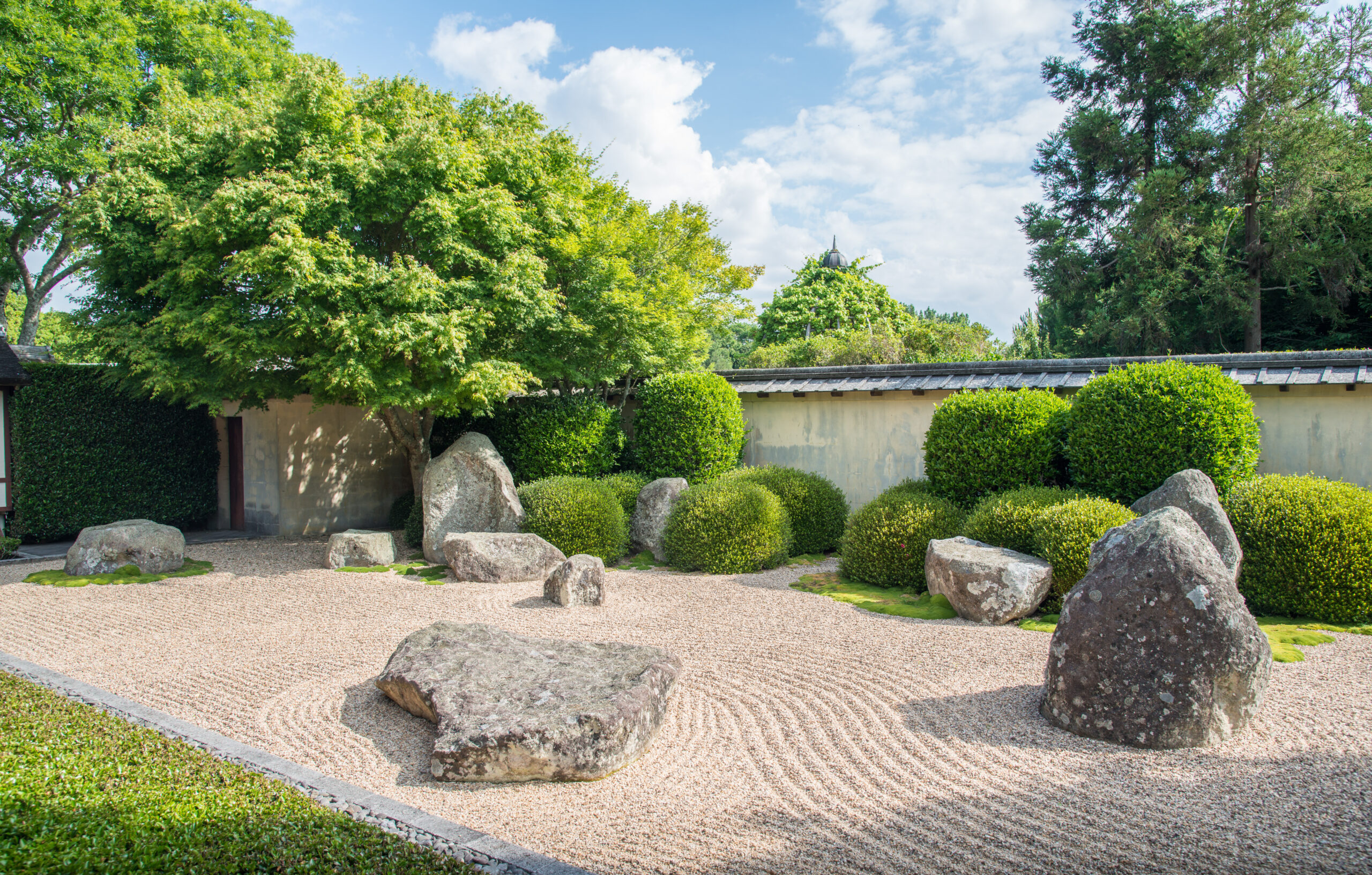
- Arrangements of boulders to encourage meditation in 14th-century Japanese Zen gardens
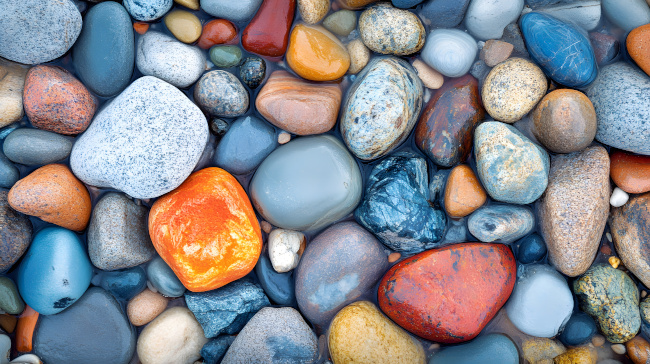
- Colorful piles of decorative rocks to make focal points in 16th-century Chinese gardens
- Artificial waterfalls made with decorative rocks in the Versailles gardens
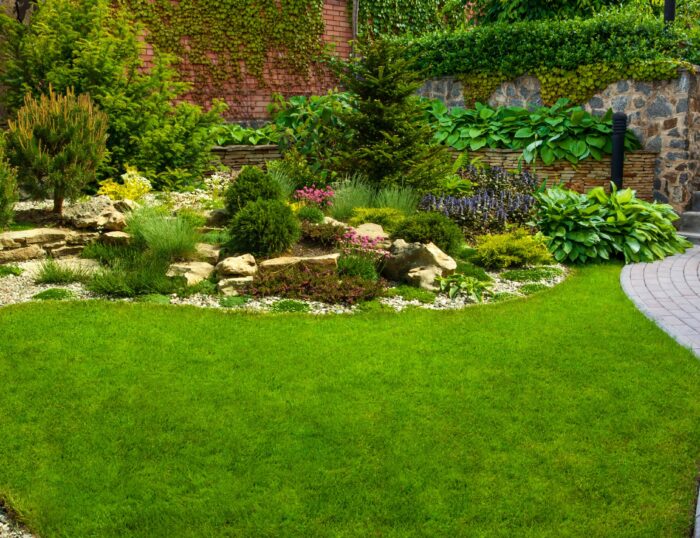
- Clusters of decorative rocks to create a natural look in Victorian rockeries
When Did the Modern Use of Decorative Rocks Develop?
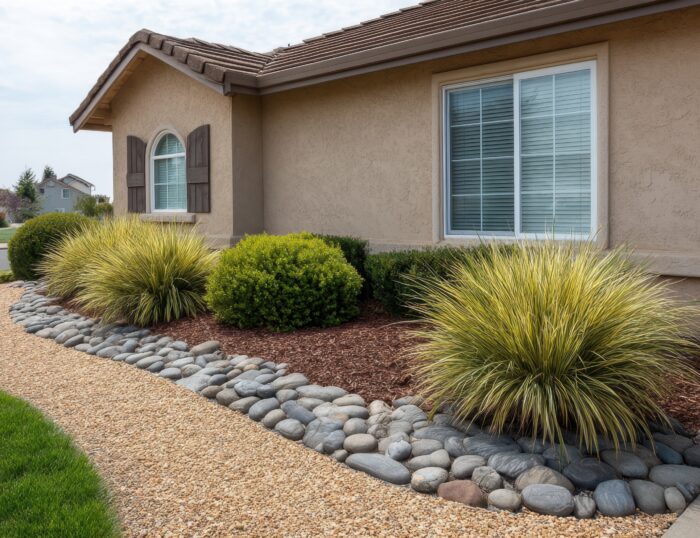
Decorative rocks have been around in one form or another for a very long time, but they were mostly only in palaces and temples during ancient times. Decorative landscaping rocks became more widely available in the 1950s when industrial tumbling processes made it more affordable to get attractive landscaping rocks. As naturalistic garden trends developed in the 1960s and 1970s, more and more people started adding decorative rocks to their gardens. That trend continues today, with the smooth Mexican beach pebble Omaha homeowners choose for walkways and borders echoing the naturalistic styles of that era.
What Are Some Ways to Take Inspiration from the History of Decorative Rocks?
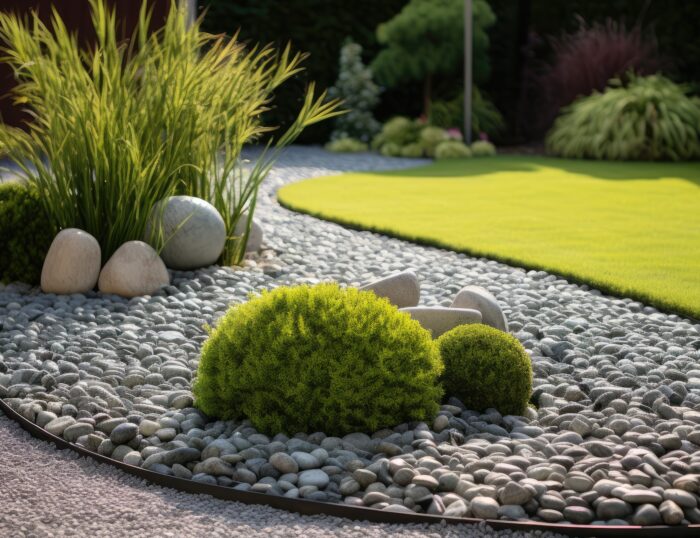
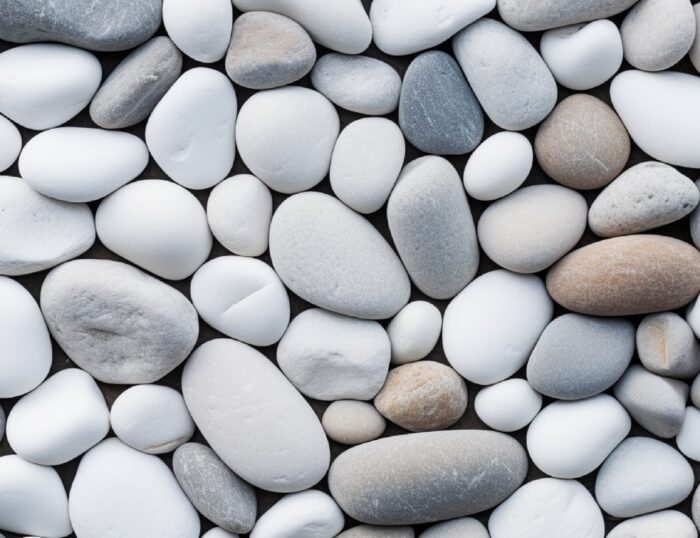
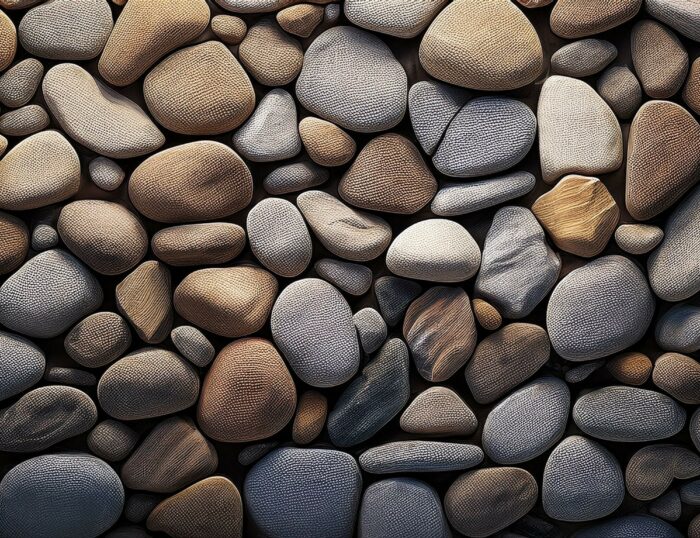
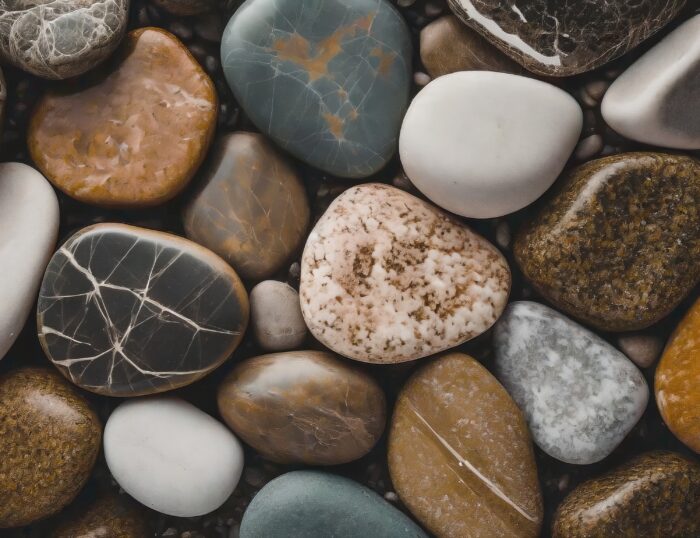
Take some style tips from historic decorative rock gardens and create a standout look that focuses on beautiful decorative rocks. Vintage decorative rock landscaping usually starts with some eye-catching boulders or unusually colorful decorative rocks, and they often use smaller decorative rocks or rock chips for filler. The Mexican beach pebble Cleveland gardeners love can recreate the polished look of the rounded river rocks found in many historic gardens. Many cultures liked pairing decorative rocks with landscaping features like ponds, sculptures, or gates.
Bring centuries of garden tradition into your own landscape with premium decorative rocks from RS&P Rock Stone & Pebble. Whether you’re designing a tranquil Zen-inspired retreat, a lush Victorian-style rockery, or a modern garden with a timeless feel, our wide selection of pebbles, boulders, and landscaping rock makes it easy to find the perfect materials for your vision. Contact RS&P Rock Stone & Pebble today to explore our collection and start creating a landscape with lasting beauty.
Frequently Asked Questions
When did people start landscaping with decorative rocks?
+
There’s no definitive date of the very first decorative rock garden, but evidence suggests landscaping with decorative rocks dates back to at least ancient Egyptian times.
What are the oldest types of decorative rocks?
+
Ancient decorative rock gardens usually focused on large boulders with interesting shapes or gently rounded river rocks.
Who invented the use of landscaping rocks?
+
Countless cultures have independently developed gardens with decorative rocks because people everywhere appreciated the beauty of landscaping rocks.
What’s a rockery?
+
This term often comes up in historic rock discussions. Rockery is simply an old-fashioned term for a classic decorative rock garden, and it was especially popular in the Victorian era.