
The answer depends on your project’s purpose, the type of rocks you plan to use, and how professional and long-lasting you want the result to be.
Can You Lay Gravel or Rocks Directly on Grass?
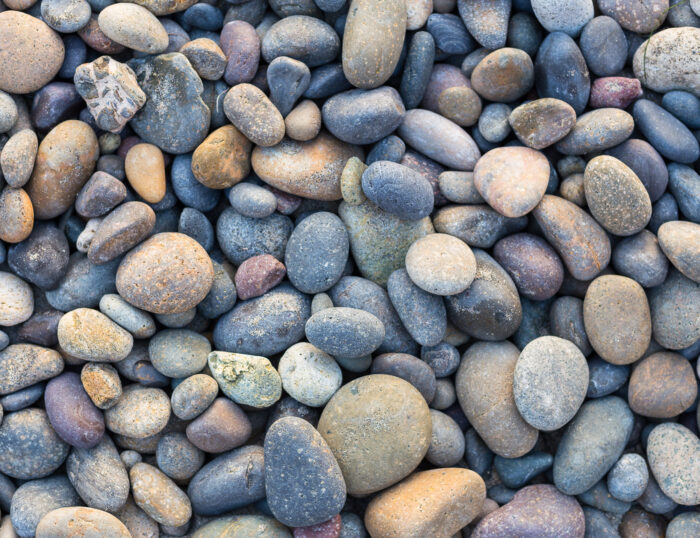
Yes, you can place gravel over grass or lay stones directly on a lawn, but there are some considerations. Simply placing rocks on top of grass can lead to weeds growing through the surface, uneven layers, or shifting stones over time. For small garden paths, stepping stones, or temporary decorative areas, it might be acceptable. For patios, driveways, or large rock beds, preparing the ground first is highly recommended. One method is using Mexican Beach Pebbles over smothered grass for decorative pathways or accent areas.
Ways to lay gravel or stones over grass include:
- Smothering the Grass: Cover the grass with cardboard, newspapers, or thick plastic to kill it before laying rocks. Be careful with plastic, as it can block water drainage.
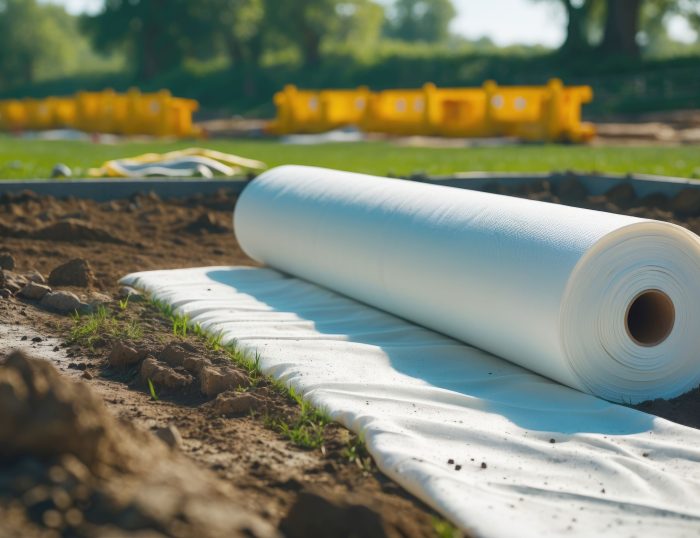
- Using Landscape Fabric or Weed Barriers: Installing a weed barrier over grass prevents regrowth while allowing water to reach the soil.
- Natural Grass Killers: Vinegar or salt-based mixtures can remove grass without harsh chemicals.
With these methods, you can create stable areas for gravel patios, stepping stones, or decorative rock gardens without fully digging up the grass.
When Removing Grass Is Recommended
Although you can lay rocks over grass, removing grass entirely provides a cleaner, more professional look. It allows you to level the ground, prevent regrowth, and properly layer decorative rocks for pathways, driveways, and rock gardens. Common situations where grass removal is ideal include installing a gravel driveway, laying a large patio, creating a rock garden, or replacing a lawn with a low-maintenance gravel or stone landscape. For areas where White Pebbles are planned, complete removal ensures a bright, uniform aesthetic.
Common situations where grass removal is ideal:
- Installing a gravel driveway or high-traffic path
- Laying a large patio over grass
- Creating a rock garden with layered stones
- Replacing a lawn with a low-maintenance gravel or stone landscape
How to Remove Grass Effectively
There are several ways to remove grass depending on your project size and tools:
| Method | Description | Best For |
|---|---|---|
| Shoveling | Use a flat shovel to manually dig out grass and roots. | Small DIY projects or garden paths |
| Tilling | Break up soil with a tiller and remove grass, then rake smooth. | Medium to large beds or patios |
| Grading | Use a grading machine to clear large areas quickly. | Driveways, patios, large rock beds |
For small areas, shoveling is precise but labor-intensive. Tilling speeds up removal for larger gardens, while grading machines are perfect for professional-level projects.
Laying Stones or Decorative Rocks
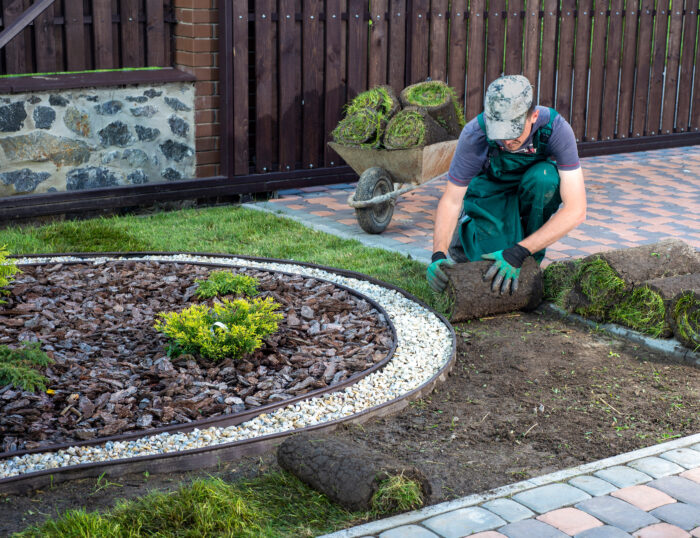
Once the grass is removed or smothered, you can proceed to lay stones, gravel, or pebbles. Steps include:
- Level the Ground: Ensure the surface is smooth and even.
- Install a Weed Barrier: Optional, but helps prevent future grass or weeds from growing through the rocks.
- Spread Rocks Evenly: Use your chosen decorative stones, such as river rocks, Mexican beach pebbles, or gravel.
- Compact the Surface: Use a hand tamper or plate compactor for stability, especially on pathways or driveways.
- Optional Layering: For deeper beds or aesthetic effects, layer different sizes of stones.
This method works for gravel driveways, garden paths, patios over grass, and rock gardens.
Converting Lawn to a Rock or Gravel Landscape
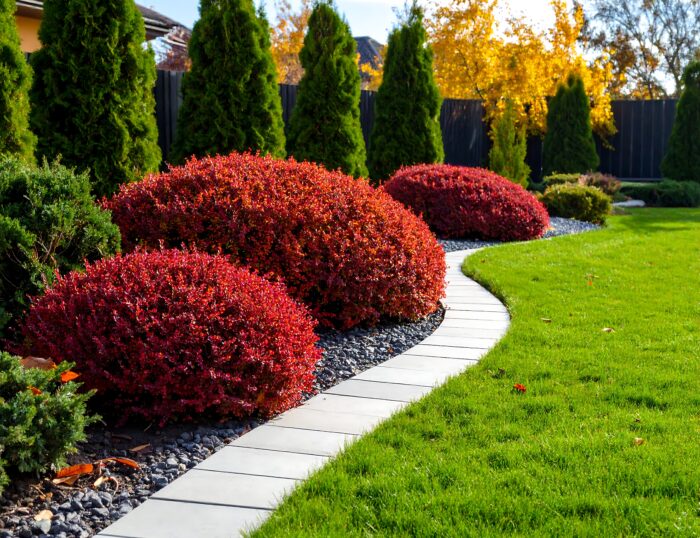
Replacing grass with rocks or gravel is an excellent no-grass landscaping idea. It reduces maintenance, conserves water, and creates a modern visual appeal. Some approaches include:
- Full lawn replacement with gravel
- Rock garden creation with boulders and pebbles
- Stepping stone paths with gravel fill
- Patio areas layered over smothered or removed grass
When planning, consider combining different rock types for texture and color, and always allow proper drainage.
DIY Patio Over Grass
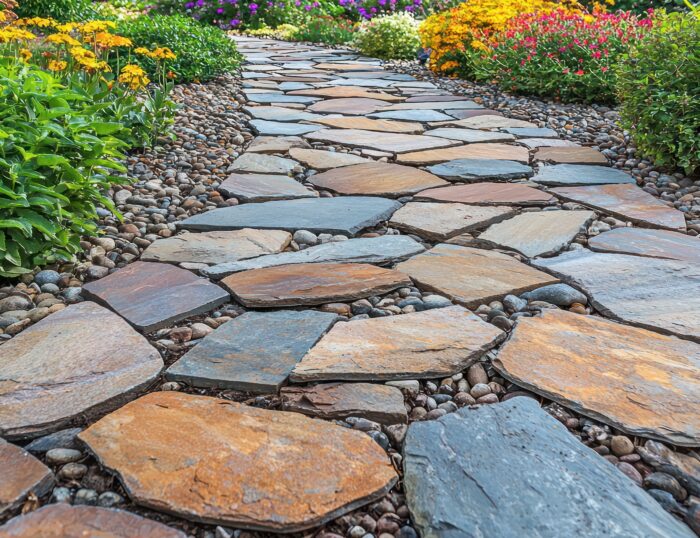
Creating a patio on grass is possible with careful preparation. You can lay stepping stones, flagstones, or pavers directly on smothered grass:
- Remove or Kill Grass: Ensure the grass is dead or removed for stability.
- Add a Weed Barrier: Helps prevent regrowth in patio gaps.
- Arrange Stones or Pavers: Place them in your desired layout.
- Fill Gaps with Gravel or Sand: Stabilizes stones and prevents shifting.
- Compact the Surface: Ensures an even, long-lasting patio.
This method is ideal for small backyard patios, garden seating areas, and stepping stone paths.
Tips for a Long-Lasting Rock Landscape
- Avoid placing rocks over plastic without drainage. Water must reach soil.
- Use thick landscape fabric for faster grass control.
- Mix rock sizes for visual interest, combining pebbles, gravel, and boulders.
- Regularly check for weeds and remove them promptly.
- Compact high-traffic areas to prevent stones from shifting.
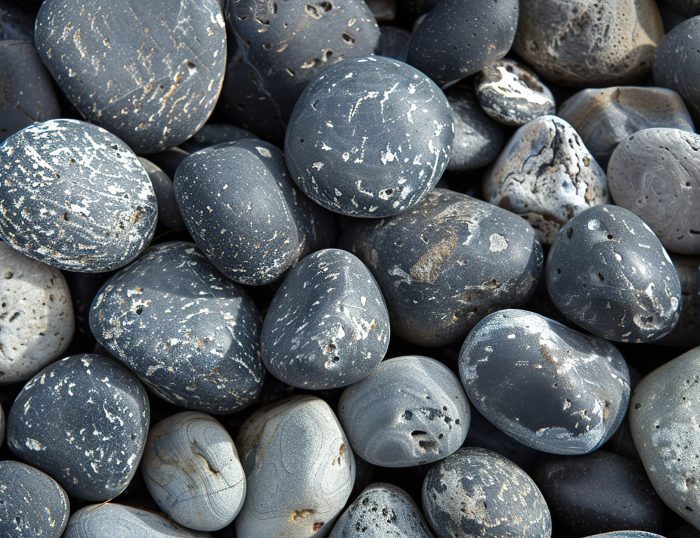
Using Polished Black Pebbles in high-traffic paths or accent areas adds elegance while providing durability.
Choosing the Right Rocks
Selecting the right type of rock enhances both appearance and function:
| Rock Type | Best For | Notes |
|---|---|---|
| River Rocks | Garden borders, pathways | Smooth and natural colors |
| Mexican Beach Pebbles | Rock gardens, decorative beds | Polished finish, visually striking |
| Gravel | Driveways, patios, stepping stone gaps | Affordable, easy to compact |
| Large Boulders | Focal points, retaining walls | Adds height and texture |
| Polished Black Stones | Modern landscapes, accent areas | Provides contrast with greenery |
Using the right mix ensures both beauty and practicality.
Conclusion
Whether you are creating a gravel driveway, rock garden, or patio on grass, deciding whether to remove grass depends on your goals. You can lay rocks over grass with preparation, but removing the grass entirely gives the most professional, long-lasting result. By following proper steps smothering, leveling, installing weed barriers, and choosing the right rocks, you can transform your outdoor space into a low-maintenance, stunning landscape.