What Do You Do for the Initial Excavation?
Heavy clay retains moisture easily, which can lead to fast settling. You’ll first dig a hole that’s about twice the width of the boulder and six to twelve inches deeper than the preferred actual burial depth. You’ll also completely remove the clay, since you won’t want to reuse it for this purpose later.
What’s the Best Way to Do the Subbase Preparation?
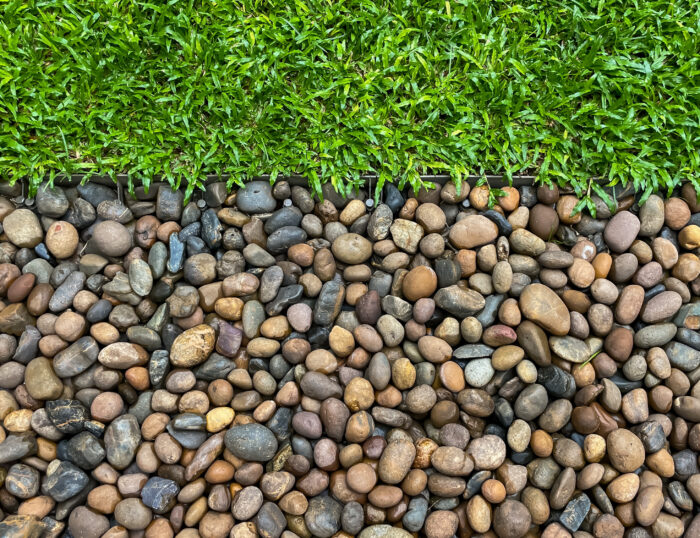
Next, you’ll fill the excavated area with a mixture of gravel and sand. You can also use angular crushed stone or small pebbles. This creates a natural nonporous pad that provides good drainage beneath the boulder. Once you’re satisfied with your work, tamp the pad down to create a compacted ground surface. Many installers working with heavy clay choose Mexican beach pebble Sacramento suppliers provide for their smooth, rounded texture and reliable drainage performance.
How Do You Position and Anchor the Boulder?
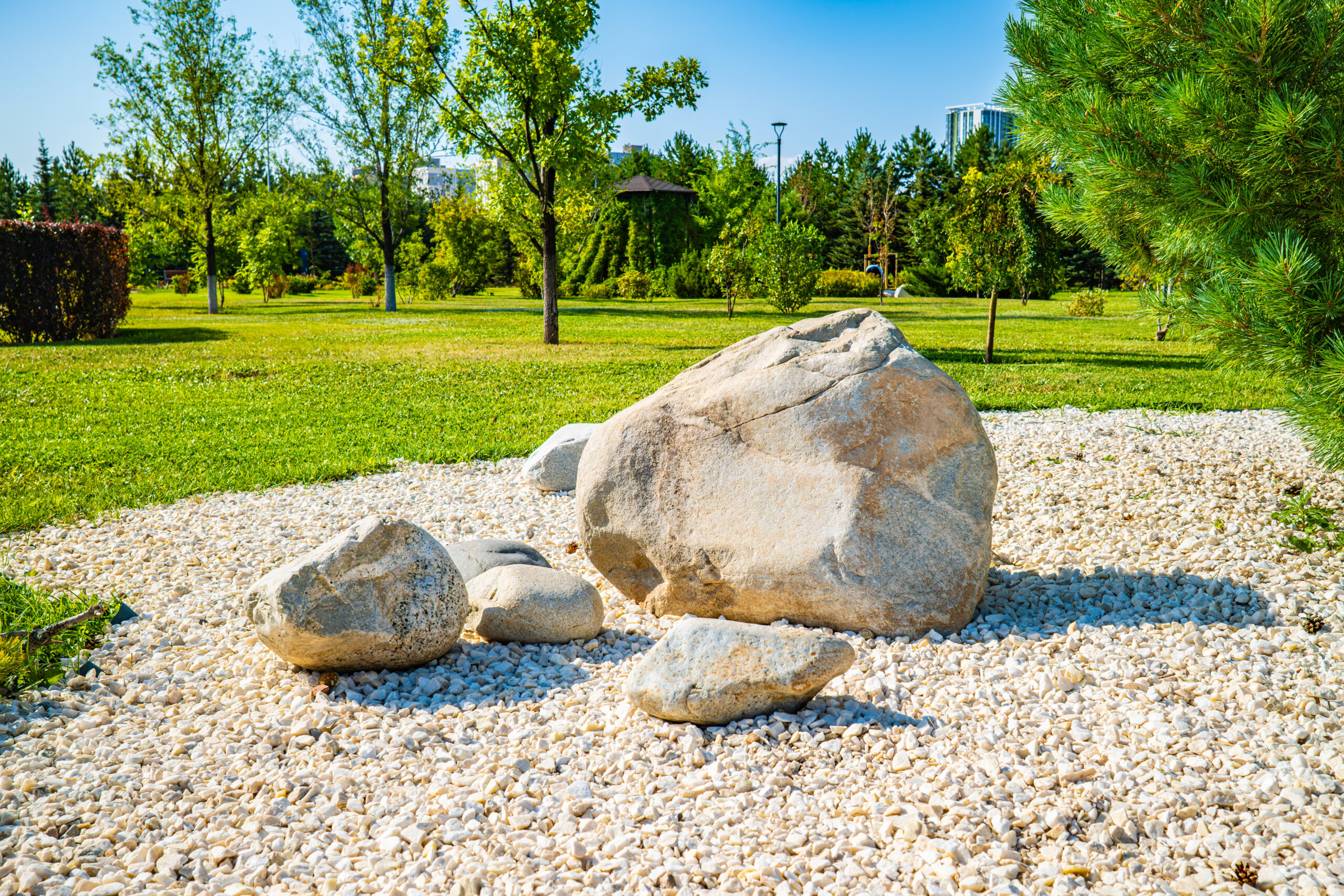
With a proper subbase in place, you’re ready to bury the boulder in the ground. Ideally, the boulder should be buried around a third to a half of its total volume. When you prepare to place the boulder in the ground, put the flattest, widest side on the bottom. This drops the center of gravity to prevent it from tipping over. Plus, most people prefer the visual appeal of gently sloped sides in their landscaping design. If you’re installing several boulders, you can wedge them tightly against one another to distribute their weight laterally.
How Do You Backfill around the Boulder for Good Drainage?
Using native clay soil to backfill the depression can unseat the rock and cause it to move around due to the soil’s tendency to expand and contract in response to moisture. Choose the same type of crushed stones or small pebbles for the backfill as you used for the base pad. Once you backfill the area to around three or four inches from the surface, you can then apply the topsoil and final smaller landscaping rocks. For projects in the Midwest, Mexican beach pebble Kansas City crews trust offers the same nonporous benefits for long-term boulder stability.
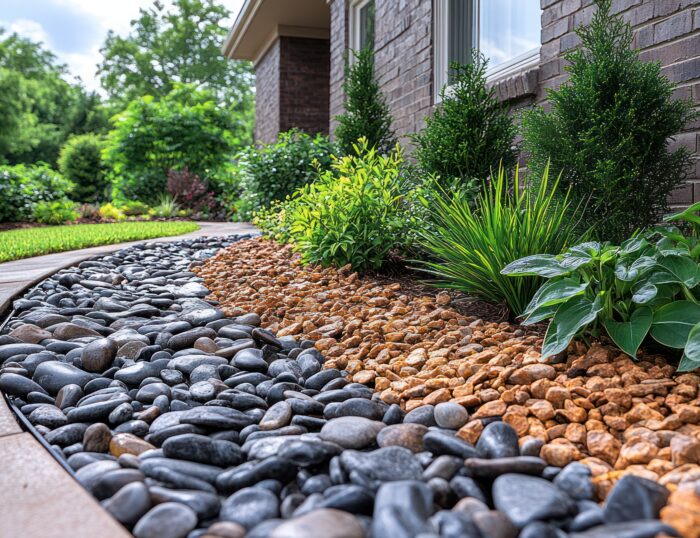
Boulders have a distinctive, eye-catching look that can upgrade any landscape, and you can enhance their appeal even more by complementing them with a variety of decorative rocks, from pure gold river rock to black polished pebbles. For expert advice on designing your landscape with rocks, reach out to the experts at RS&P Rock Stone & Pebble, a premier landscape rock and supply superstore. We specialize in drought-tolerant landscaping materials, including a variety of Mexican beach pebble and river rock. To learn how we can help you create the landscape of your dreams, call us today.
Frequently Asked Questions
How deep should you bury a boulder in your property’s ground?
+
Burying boulders around one-third to one-half of their overall size can keep them firmly anchored in the ground while allowing the majority of their surfaces to show.
How do you find a boulder’s center of gravity?
+
Look for the flattest, widest side of a boulder and choose this to be the bottom surface when you place it in the ground.
Why isn’t native clay good for creating a base for boulder placement?
+
Native clay is known for expanding and contracting in response to moisture, which is why nonporous pebbles or crushed rock work best for subbases.
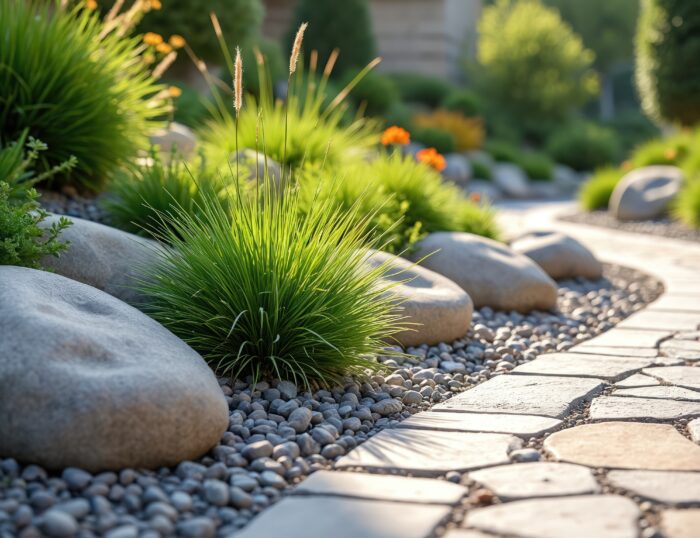
Can you place smaller pebbles and rocks around large boulders on the surface?
+
Yes, putting smaller rocks around a boulder adds visual interest, and putting nonporous materials around the sides supports the boulder.