The Material Is Less Permeable
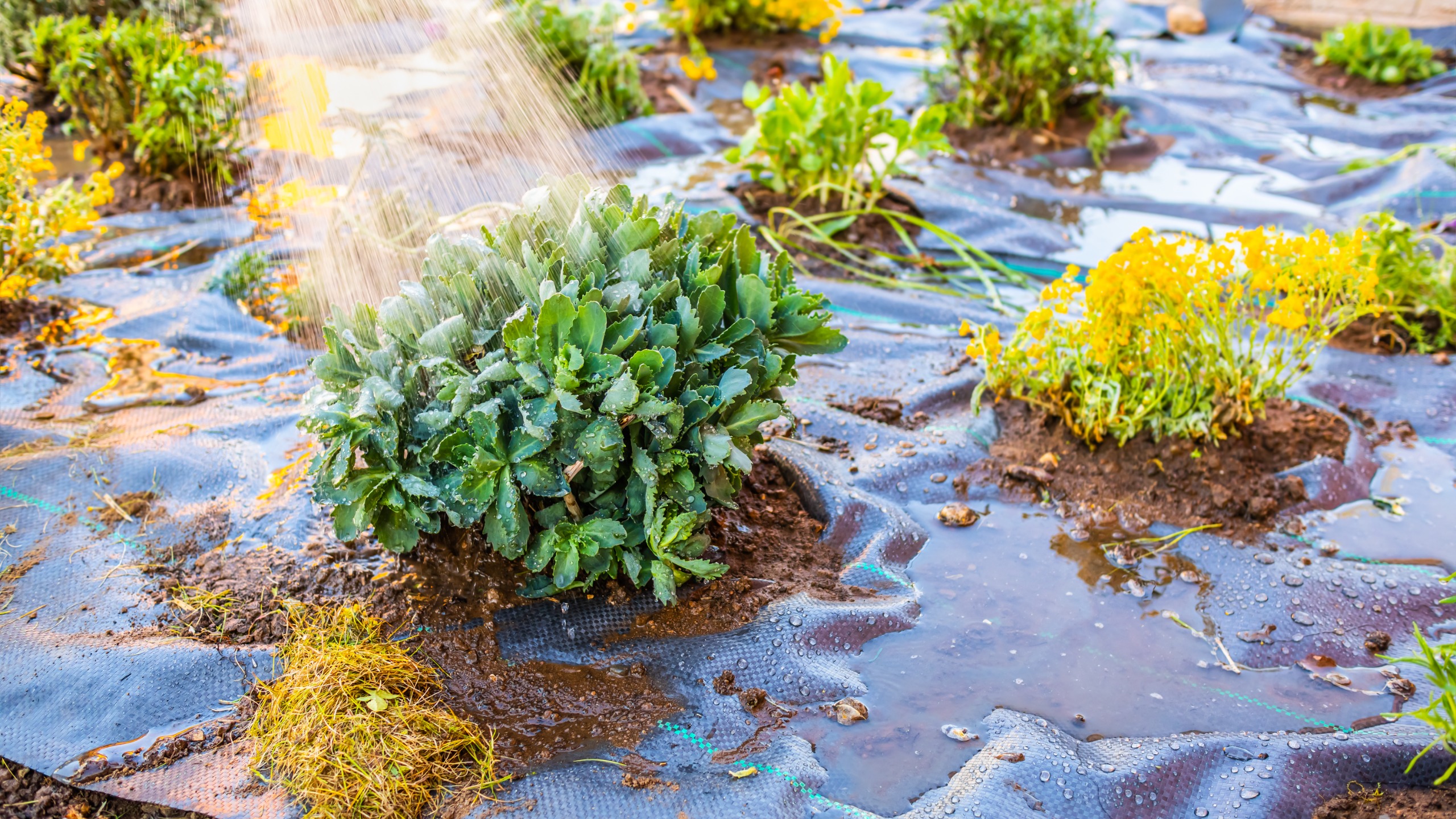
Low-quality plastic fabric and tightly woven options are among the least permeable materials. Instead of providing air and water to plant roots, these fabrics create barriers that trap the liquid. Remember water and oxygen are crucial for roots and must reach the soil beneath, which is why choosing good material is essential.
The best landscaping fabric to select is nonwoven geotextile or needle-punched polypropylene, both of which can be combined to create a woven material that offers a good balance, allows water to seep through, and provides significant weed suppression. Always look for materials with higher permeability ratings (as this results in faster water flow) along with a heavier weight that offers more durability.
Clogged Pores
If these issues take place, water flow and air are blocked, which can cause surface pooling, runoff, and plant root deprivation. Clogged pores can occur whether the fabric material used is permeable or not. This is due to dirt, organic debris, or mulch physically filling the fabric’s spaces and fibers and stopping water from passing through.
Protection for the top is key, which is easier to achieve with coarser fabric materials and effective maintenance and management strategies. You should control weed growth by pulling the invasive plants by hand or using solutions such as vinegar and soap. Preventing weed growth will lower the odds of clogged pores.
Poor Site Preparation and Installation
Proper site preparation should begin with cleaning the area, removing all weeds and existing grass or debris, tilling and amending the soil, and finally, creating a gentle, smooth slope away from the structure to prevent dips that can collect water and cause problems.
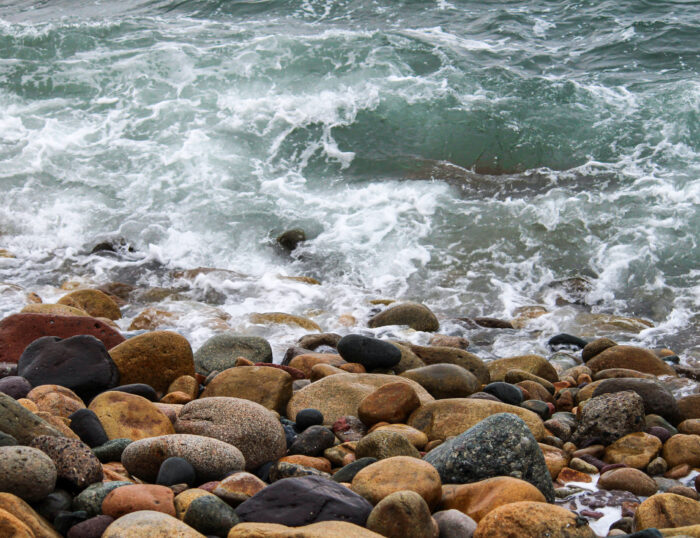
Choosing the right fabric and installing it correctly and securely are the next steps to prevent shifting. Climate considerations also matter. For instance, the intense summer heat plants experience alongside the Mexican beach pebble Las Vegas landscapers often use requires planning for increased water needs, making proper fabric permeability even more critical. With poor site preparation, installation, and maintenance, and inadequate landscaping fabric, water won’t get through, preventing soil from retaining moisture for longer periods.
Combine Decorative Rocks with Landscaping Fabric
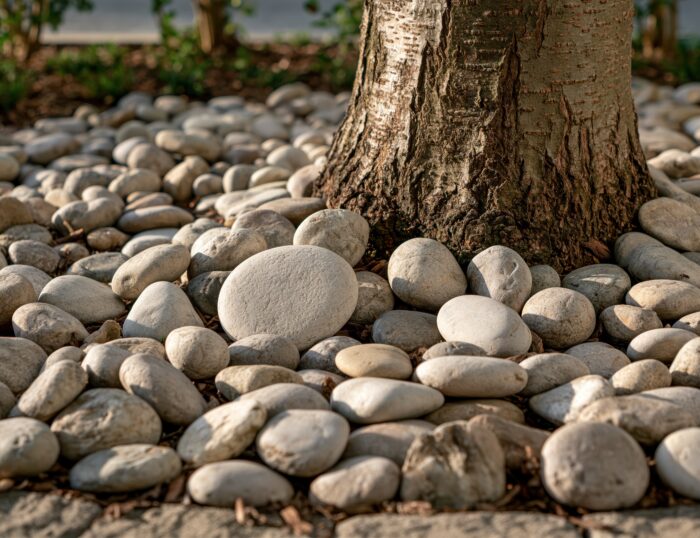
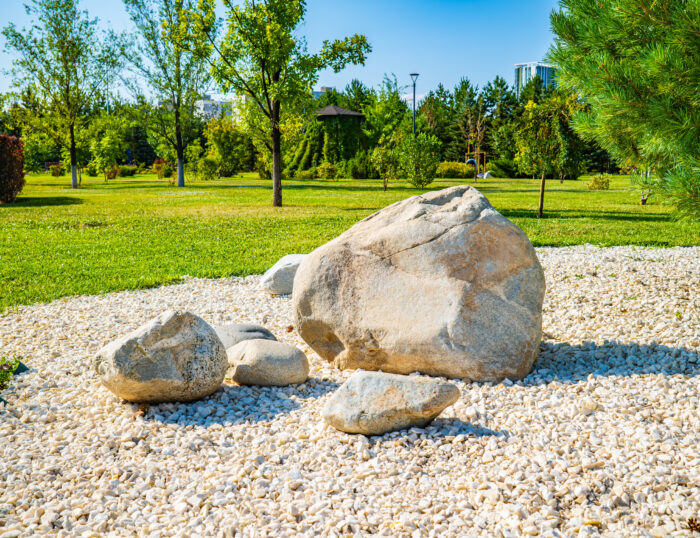
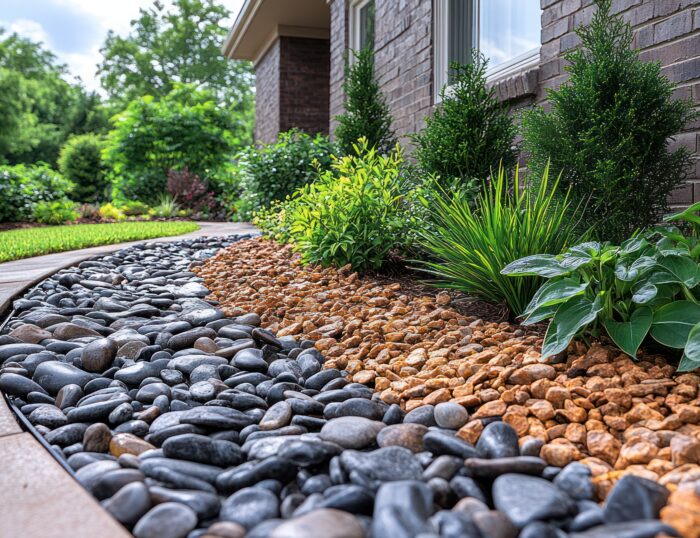
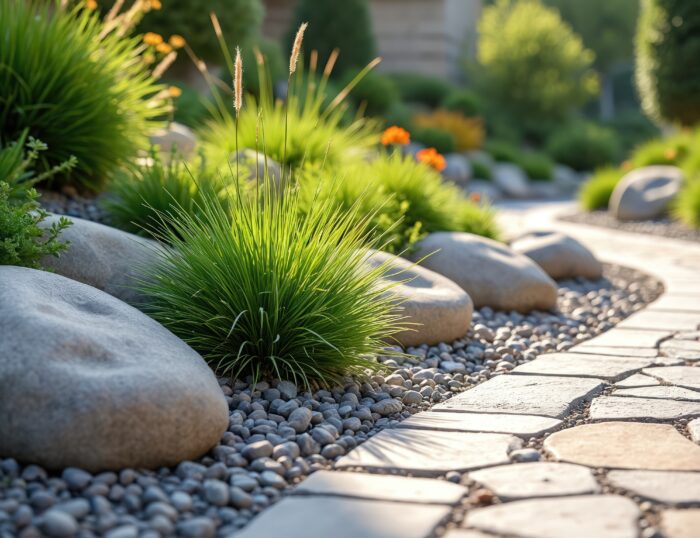
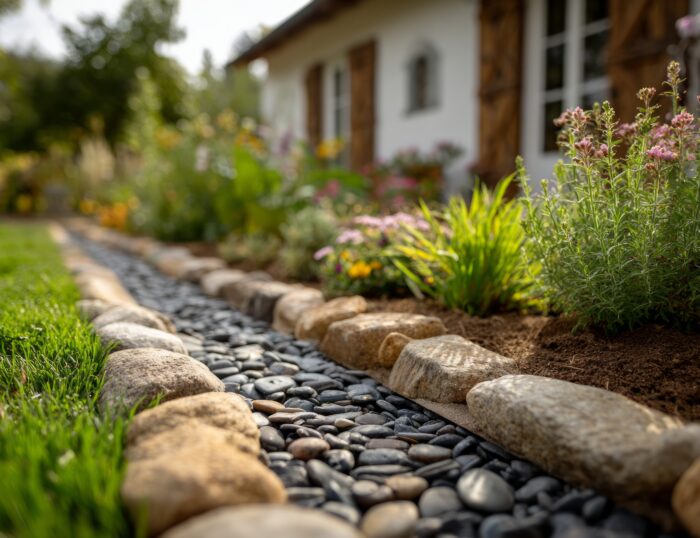
The combination of decorative rocks and landscaping fabric will give your feature the filtration it needs to let water pass through while keeping the stones and soil separate. Keep in mind the decorative rocks will also provide erosion control when used correctly. They act as a protective barrier against unwanted water flow, preventing soil erosion even if your landscaping feature is placed on a slope. In humid climates, where choosing the type of Mexican beach pebble Memphis designers often prefer means dealing with heavy spring rainfall, the drainage properties of high-quality fabric become especially important to prevent waterlogging.
Combining the landscaping fabric with proper stones can also increase stability. The fabric will stabilize the decorative rocks, providing structural integrity and ensuring your drainage system remains effective for longer.
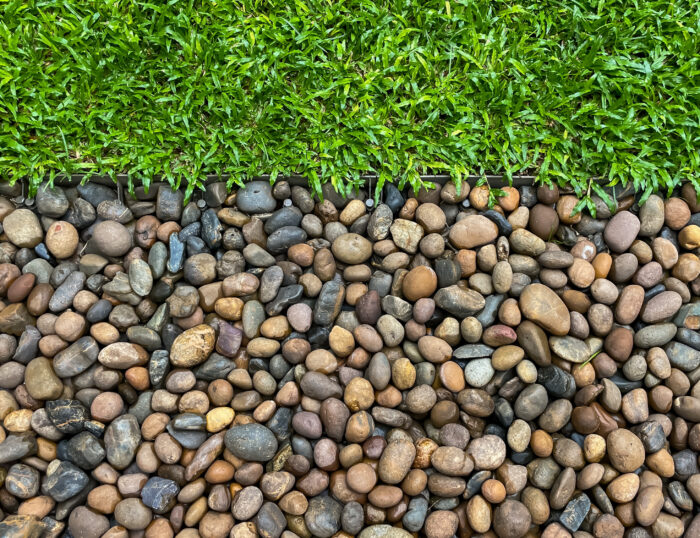
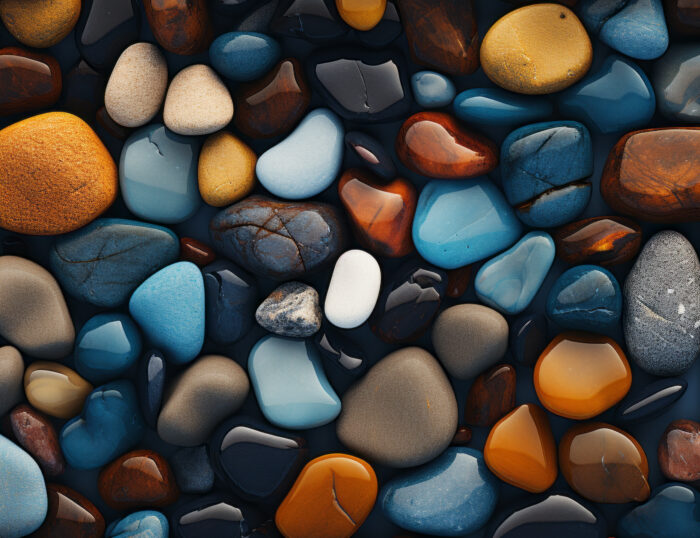
No matter what kind of landscaping project you’re planning, decorative rocks and beach pebbles can give it additional depth, character, and beauty. Whether you’re looking for an assortment of Mexican beach pebbles or the highest-quality river rock, reach out to the experts at RS&P Rock Stone & Pebble, a premier river rock and supply superstore. To learn how we can help you create the landscape of your dreams, call us today.