Iron Oxidation
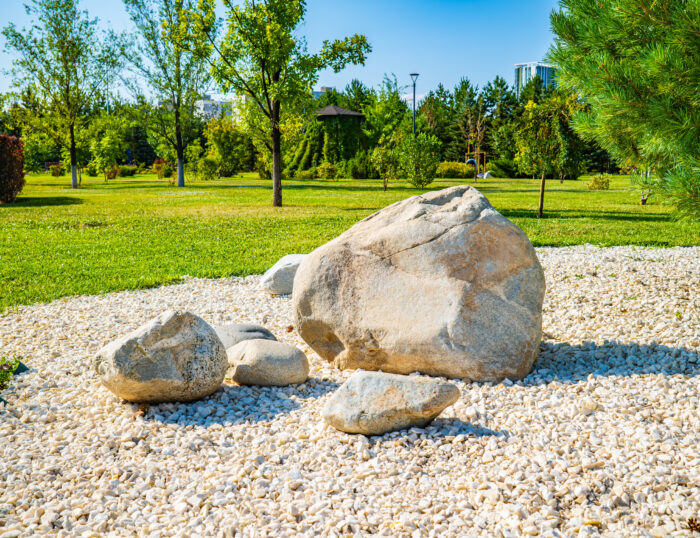
A common reason for the yellowing of white rocks, such as snow‑white pebbles, polished white pebbles, or white marble pebbles, is a process known as iron oxidation. It happens when iron within decorative rocks interacts with water and oxygen. This interaction forms hydrated iron oxide, which can show up as yellow rocks, yellow colored rock, or even a light yellow rock appearance on otherwise white stones. Oxidation can be accelerated if your decorative rocks are regularly exposed to water or immersed to some extent in water.
Wear & Tear
Natural wear and tear can cause white rocks to turn yellow over time. What’s happening in this case is the top layer is wearing away. As it does, any other minerals and elements in the decorative rock become more visible and prevalent. If the minerals are darker in color, you may notice rocks yellow on the surface. This is a common concern for large white garden stones, white garden pebbles, and crystal white rocks used in high‑traffic areas.
Mineral Reactions
Other minerals your decorative rocks are exposed to for longer periods can also cause yellowing or discoloration. This might happen if your decorative rocks are resting near fertilized areas where runoff can carry minerals over to the stones. Over time, this exposure can result in yellow and white stone patterns or white stone with yellow veins. Mineral reactions may also occur near plants with fertilized or mineral‑rich soil.
Acid Rain
Sulfuric acid and nitric acid are among the components sometimes found in rain and snow. Over the years, exposure to these elements can affect the color of your white landscaping rocks, stones, or Mexican beach pebbles. Depending on conditions, you may notice what rock is yellow questions arise as stones slowly develop discoloration, especially in front house white landscaping rock areas.
Lack of Regular Cleaning
Dirt and debris can also give white rocks a yellowish hue. The extent of yellowing depends on the minerals and chemical components your stones are exposed to regularly. This is often why homeowners ask do white pebbles discolour or white rocks meaning discoloration over time. Yellowing can occur if decorative rocks remain fully or partly immersed in dirt and debris for extended periods.
Restoring Tarnished or Discolored White Rocks
Start by using soap and water, since this is the safest and mildest cleaning method that can be effective. Mix a tablespoon or two of mild dish soap in a gallon of warm water. This method answers common questions such as how to clean white pebbles, how do you clean white garden pebbles, and how to clean white garden stones.
If your decorative rocks are smaller, place them in the mixture and let them soak for about an hour. For bulk projects, many homeowners ask how to clean garden pebbles in bulk or how to clean white pebbles in garden, which can be done using large tubs or outdoor containers. If the yellow film is stubborn, light scrubbing may be needed. Be cautious when scrubbing to avoid surface damage.
Other ways to restore discolored white rocks or prevent further yellowing include:
- Using a water and baking soda mixture with a scrub brush
- Using vinegar on larger decorative rocks that can’t be easily immersed in water
- Rinsing off excess debris with a garden hose
- Placing a border around your decorative rocks to reduce exposure to runoff
Final Thoughts
No matter what type of landscape you have, decorative rocks, stones, or beach pebbles can add beauty, depth, and character to it. Whether you source materials from home depot white landscaping rocks, white rocks at home depot, or white river rock home depot, proper care helps maintain their appearance.
When you’re ready to get started on your landscaping plan, reach out to the experts at RS&P Rock Stones & Pebbles, a premier provider of Mexican beach pebbles, snow‑white beach pebbles, polished black river rock, and a wide variety of white ornamental stone options. To learn how we can help you create the landscape of your dreams, call us today at (866) 380‑0580.