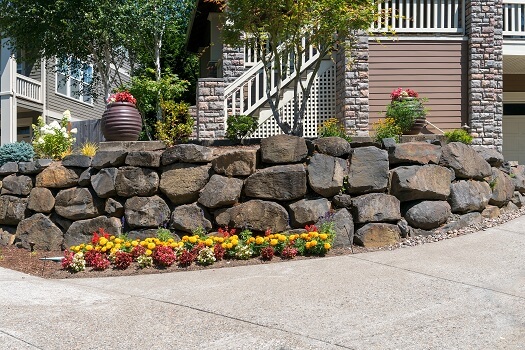
Why a Rock Border Matters
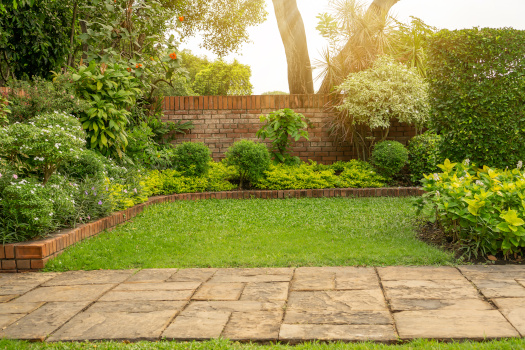
A rock border serves multiple purposes around your home. First, it helps define outdoor spaces and pathways, creating a polished, finished look. Second, it protects your foundation by directing water away from your home, which can prevent erosion and damage. Third, it reduces the need for constant lawn care, such as mowing or watering, particularly if you install stones along the sides of your house or around flower beds. Finally, decorative stones and pebbles are fire-resistant, providing an extra layer of protection if you live in an area prone to wildfires.
Creating a border around your house is not just a design choice; it’s also a practical step to protect the foundation and landscaping investments.
Planning Your Rock Border
Before adding rocks around your house, it’s essential to plan carefully. Start by evaluating the layout of your yard and the areas you want to cover. Consider factors like drainage, sunlight exposure, and the types of plants you already have near the house. One of the first steps is grading the ground properly so water doesn’t pool near your foundation. A slight slope away from the house ensures that rainwater naturally flows away, which protects both your rocks and your home.
Once you’ve mapped out your areas, determine the width and depth of your rock border. A border that is too shallow may expose soil and create gaps, while a border that’s too deep can make maintenance more difficult.
Preparing the Ground
Digging out a shallow trench around your house is the next step. This trench serves as the base for your decorative rocks, helping them stay in place and preventing them from shifting over time. It also gives your border a clean, professional appearance.
After digging, lay down a layer of landscaping fabric. This fabric plays a crucial role in keeping your rock border looking neat. It prevents weeds from growing through the stones while still allowing water to pass through to nourish plants and grass. Unlike plastic sheets, landscaping fabric doesn’t suffocate the soil or trap moisture in a way that could harm your foundation.
Choosing the Right Rocks
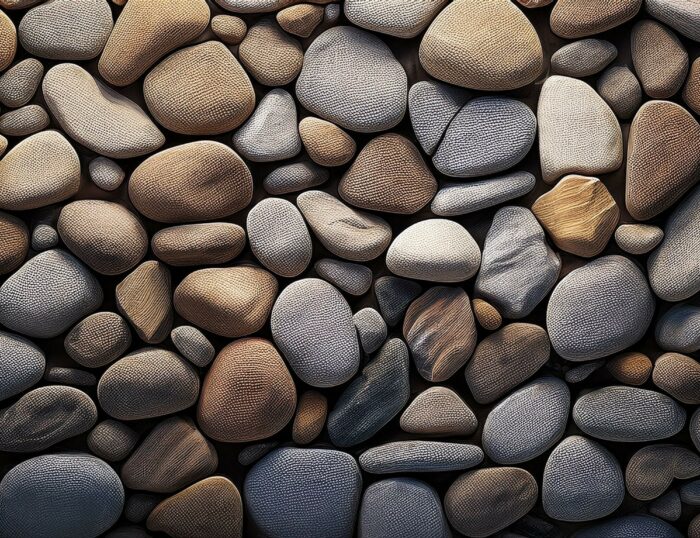
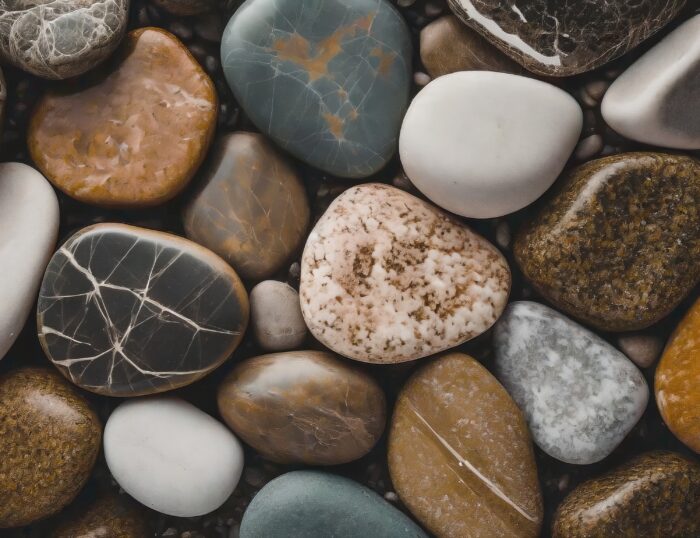
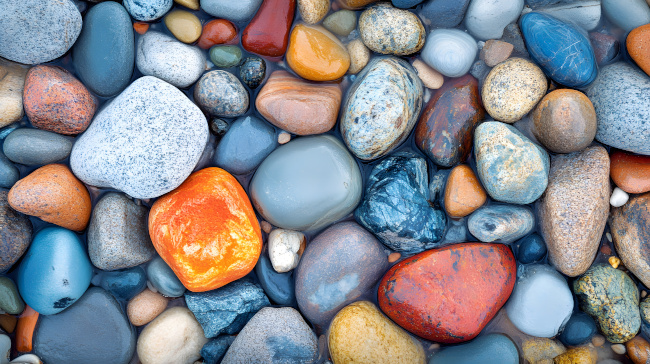
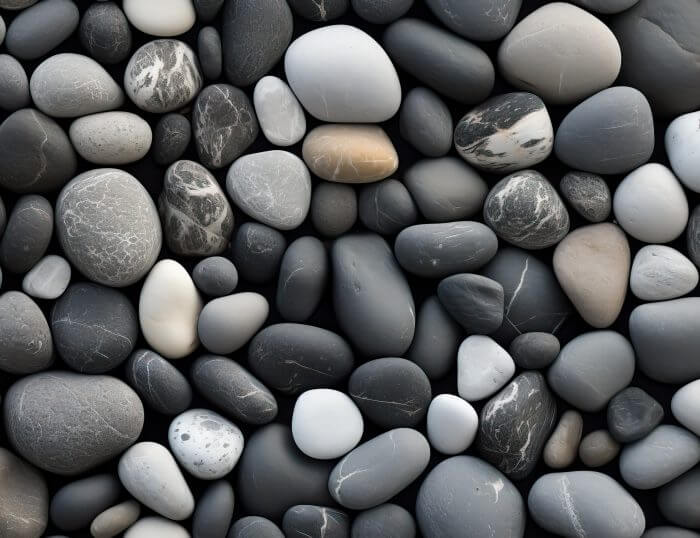
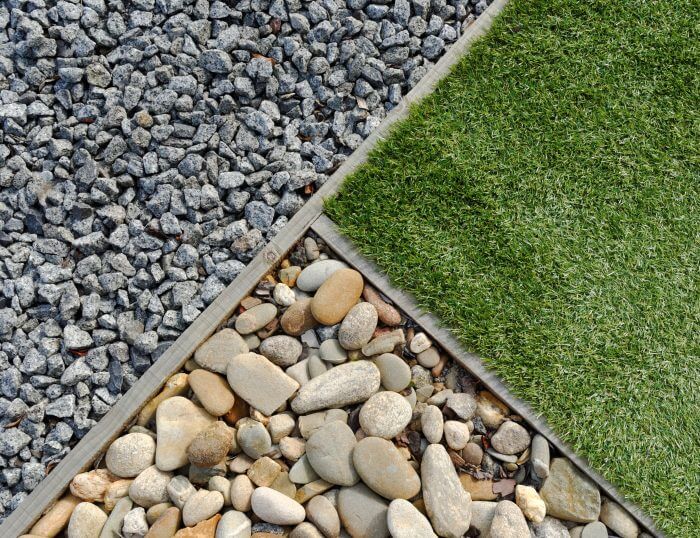
Not all rocks are created equal, and choosing the right type is vital for both aesthetics and functionality. Some popular choices include river rocks, Mexican beach pebbles, polished black pebbles, and snow-white pebbles.
- River rocks are smooth, durable, and come in various sizes, making them perfect for borders along the house or pathways.
- Mexican beach pebbles add color and contrast, ideal for areas where you want to highlight the border visually.
- Polished black pebbles create a modern, elegant look, especially when combined with lighter-colored stones.
- Snow-white pebbles brighten up shaded areas and add a crisp contrast to green lawns and flower beds.
| Rock Type | Typical Size | Ideal Use | Pros | Cons |
|---|---|---|---|---|
| River Rock | 1–3 inches | House borders, pathways | Smooth, durable, visually appealing | Can shift if not deep enough |
| Mexican Beach Pebbles | 0.5–1 inch | Accent areas, garden beds | Colorful, natural look | Smaller pebbles may scatter |
| Polished Black Pebbles | 1–2 inches | Decorative border, modern look | Sleek, elegant, long-lasting | Can retain heat in direct sun |
| Snow-White Pebbles | 1–2 inches | Highlight house corners or flower beds | Brightens landscape, low maintenance | Requires occasional cleaning |
The size of the stones also matters. Smaller stones (half an inch to one inch) are best for shallow borders or accent areas, while larger stones (one to two inches) provide stability and visual weight for the main sections of your border.
Installing Your Rock Border
Follow these steps for a professional and long-lasting installation:
- Clear the Area
Remove grass, weeds, and debris from the intended border space. Be careful around roots to avoid damage. - Install Edging
Use edging materials such as metal, plastic, or stone to define the border. Edging keeps rocks contained and prevents them from spreading into the lawn or garden beds. - Lay Landscaping Fabric
Place breathable fabric over the soil to suppress weeds, prevent erosion, and allow water to reach the roots. - Add Decorative Rocks
Spread your chosen stones evenly in the trench. Ensure you leave a small gap between the rocks and the foundation or tree bases for airflow and water access. For small pebbles, use a depth of about two inches; for larger rocks, a depth of four inches is ideal. - Blend with Surroundings
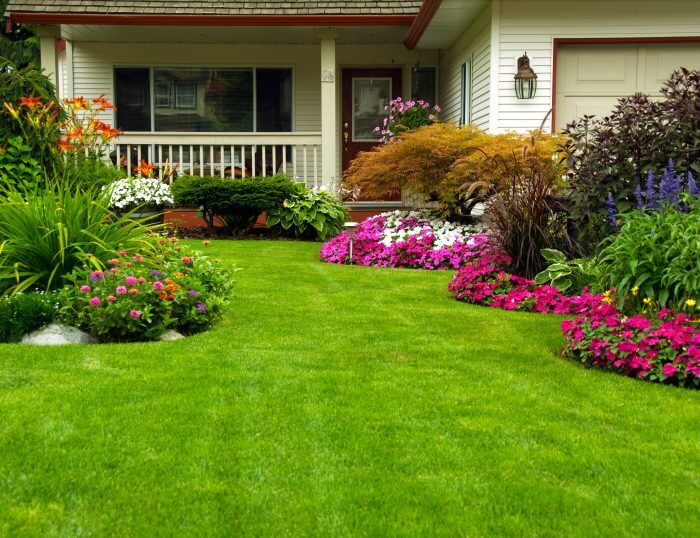
Incorporate your rock border with plants, shrubs, or mulch for a natural look. Layering rocks with groundcover or low-maintenance plants softens the appearance and adds biodiversity.
Rock Border Ideas for Your Home
A rock border doesn’t have to be boring or uniform. Here are some ideas to make it visually appealing:
- Layered Borders: Combine multiple rock sizes and colors. For example, use snow-white pebbles near the outer edge and polished black pebbles near the inner section.
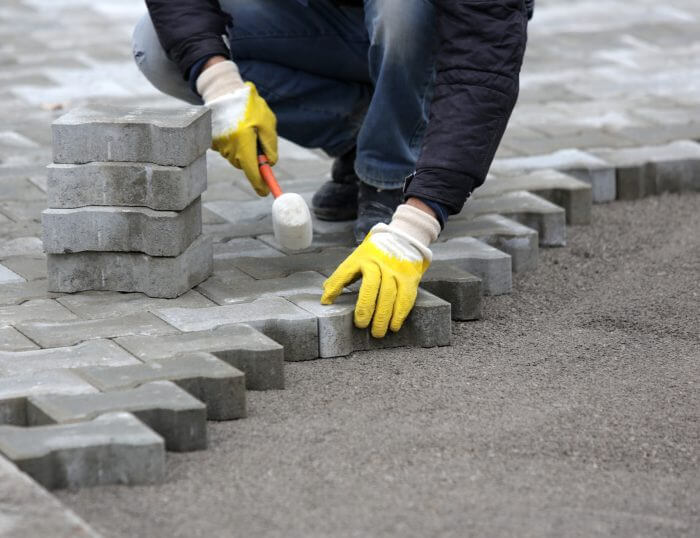
- Rock Pathways: Extend your border into walkways using river rocks or gravel to create a functional and decorative feature.
- Accent Corners: Highlight corners, flower beds, or garden features with contrasting stones for added visual interest.
- Integrated Planting: Plant shade-loving groundcovers or ornamental grasses along the rock border to enhance texture and color.
These design options allow your border to serve both functional and aesthetic purposes while maintaining a cohesive landscape style.
Maintenance Tips
Even though rocks are low-maintenance, a well-kept rock border still requires some attention:
- Check for Weeds: Even with landscaping fabric, weeds can occasionally grow. Remove them promptly to keep your border tidy.
- Rake Regularly: Redistribute rocks that shift due to weather or foot traffic to maintain an even appearance.
- Clean Rocks: Wash snow-white pebbles or polished black pebbles occasionally to prevent dirt buildup.
- Inspect Edging: Make sure your border edges remain intact to avoid rocks spilling into the lawn.
Consistent maintenance ensures your rock border stays beautiful and functional for years.
Final Touches for a Stunning and Durable Rock Border
A well-designed rock border around your home combines beauty with functionality. Using decorative stones such as river rocks, Mexican beach pebbles, polished black pebbles, or snow-white pebbles can create a visually striking landscape while offering long-lasting durability and minimal upkeep. By ensuring proper grading, using quality landscape fabric, and performing routine maintenance, you can enjoy a rock border that not only enhances your home’s curb appeal but also protects your foundation for years to come.
For professional guidance, high-quality materials, and expert tips on creating the perfect rock border, turn to RS&P Rock Stones & Pebbles. Call us at (866) 380-0580 and transform your outdoor space into a functional and stunning landscape today.
Frequently Asked Questions
Can You Put a Rock Border Around Your House?
+
Yes! Decorative rocks create a clean, low-maintenance border. Just ensure proper grading, fabric installation, and edging to protect the foundation.
How Deep Should Decorative Rocks Be?+
Depth depends on the stone size. Small pebbles require around two inches, while larger river rocks need about four inches for stability.
What Rocks Are Best for a House Border?+
River rocks, Mexican beach pebbles, polished black pebbles, and snow-white pebbles are ideal. Choose colors and sizes to complement your home and landscape.
Do Rocks Reduce Lawn Maintenance?+
Yes. Using a rock border reduces the need for mowing, watering, and weeding along house edges.
Can You Add Plants to a Rock Border?+
Absolutely. Integrating low-maintenance plants, groundcovers, or ornamental grasses adds texture, color, and biodiversity to the border.