
Why Rocks Around Trees Can Be Risky
While it might be tempting to place rocks around your tree for a low-maintenance yard, there are a few important reasons to be cautious. Poorly installed decorative rocks can negatively affect tree health over time.
Heat Retention
Decorative rocks absorb and retain heat from the sun. During hot summer days, this heat can transfer down to the soil, stressing the tree roots. Overheated soil can stunt root growth and reduce water absorption. Even during colder months, rocks can prevent soil from freezing naturally, disrupting the seasonal balance that many trees require.
Poor Moisture Retention
Rocks do not absorb or retain water well. When it rains or when you water your trees, water can run off the stones instead of seeping into the soil. This can leave the tree roots dry and stressed, especially in areas that require consistent moisture for healthy growth.
Compaction and Aeration Issues
Heavy stones can compact the soil underneath, making it difficult for roots to spread naturally. Compacted soil also reduces aeration, which can negatively affect root health and the microorganisms that support the tree’s growth. Over time, this can make your tree more vulnerable to disease or decline.
Maintenance Challenges
While rocks may seem low-maintenance, they require regular upkeep. Dirt, debris, and fallen leaves can accumulate between stones. Weeds may grow through the rocks if a proper barrier isn’t installed. As your tree grows, rocks may crowd the trunk and damage bark, making maintenance more challenging than anticipated.
Using Rocks Safely Around Trees
Decorative rocks can be used safely if installed correctly. Combining rocks with mulch or choosing the right type of stones can help protect your tree while still achieving the desired landscaping look.
Mulch Under Rocks
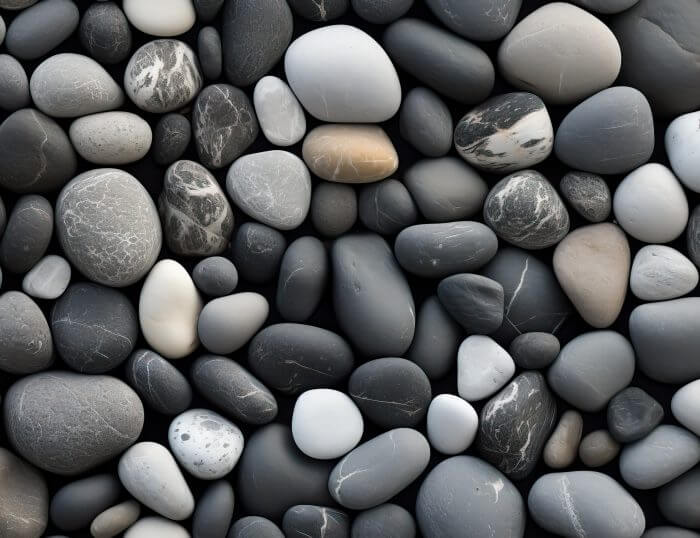
Placing a layer of mulch under your decorative rocks is essential. Mulch retains moisture, provides insulation against extreme temperatures, and prevents root suffocation. Stones such as Polished Black Pebbles can then be added on top for visual appeal. The mulch layer ensures your tree thrives while maintaining a beautiful yard.
Gravel as an Alternative
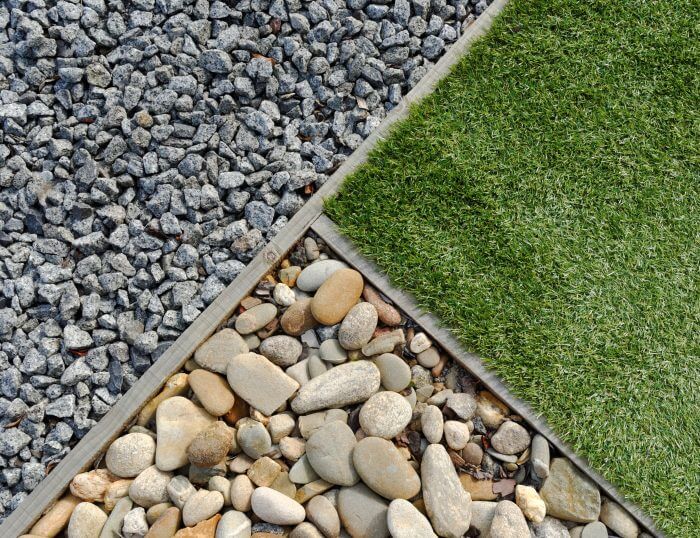
Gravel is another excellent alternative to larger stones. It allows water to penetrate the soil more effectively, prevents compaction, and provides a natural look around the base of the tree. Gravel is easier to maintain than large decorative rocks and still provides a clean, polished finish.
Combining Rocks and Mulch
Many landscapers recommend combining mulch and rocks for the best results. Place mulch closest to the tree trunk for root protection, then surround it with decorative stones. This approach balances aesthetics with tree health.
Types of Decorative Rocks
Choosing the right type of rock is crucial for both aesthetics and tree health. Here’s a helpful guide:
| Rock Type | Typical Size | Ideal Use | Pros | Cons |
|---|---|---|---|---|
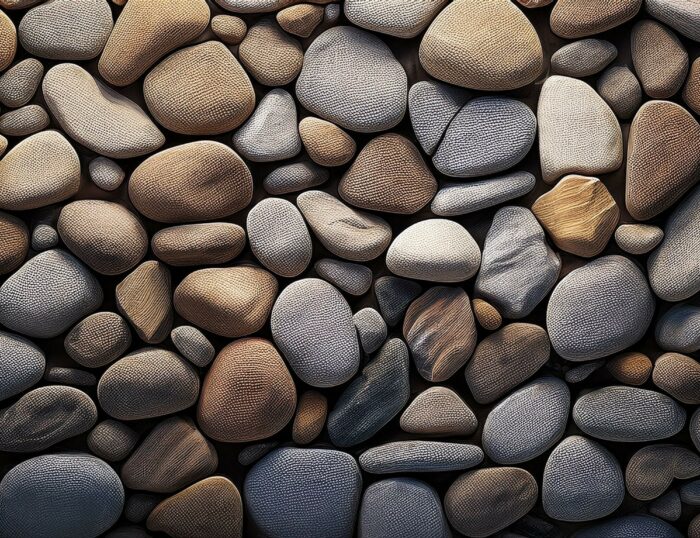
| River Rock | 1–3 inches | Tree rings, borders | Smooth, decorative, long-lasting | Can retain heat if layered thickly |
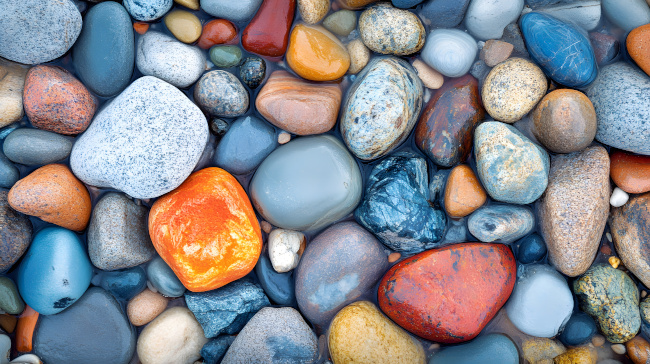
| Mexican Beach Pebbles | 0.5–1 inch | Garden beds, contrast | Colorful, natural appearance | Smaller pebbles may shift easily |
| Polished Black River Rock | 1–2 inches | Decorative tree bases | Modern look, visually striking | Can heat soil if direct sun |
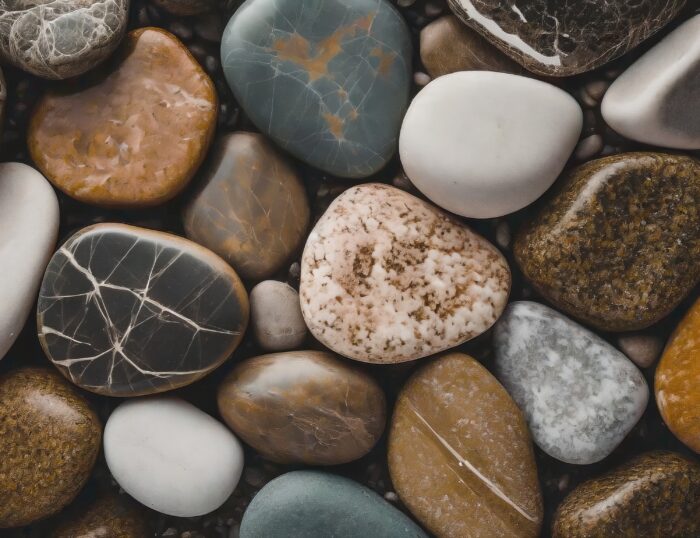
| White Pebbles | 1–2 inches | Highlight trees or flowers | Brightens landscape, low maintenance | Needs occasional cleaning |
For example, adding White Pebbles around the outer edges of your tree beds can highlight specific trees or flowers while giving a fresh, clean aesthetic to your garden.
Using a mix of these rocks can create a visually appealing tree base while maintaining proper drainage and tree health.
Step-by-Step Guide to Installing Rocks Around Trees
Installing decorative rocks around your trees requires careful planning. Follow these steps for a safe and beautiful setup:
- Clear the Area
Remove grass, weeds, and debris around the base of your tree. Be cautious of shallow roots to avoid damaging them during preparation. - Install Edging or Tree Ring
Define the area around your tree using edging or a tree ring. This keeps rocks contained, prevents erosion, and gives the space a polished appearance. - Lay a Breathable Fabric Barrier
Place a layer of spongy landscape fabric over the soil to suppress weeds while allowing water and air to reach the roots. Avoid plastic sheets as they can suffocate the tree. - Apply Rocks Evenly
Spread decorative rocks in a layer 2–3 inches deep, keeping a few inches of space from the trunk. This promotes airflow and prevents soil overheating. - Maintain Your Rock Landscaping
Periodically rake and redistribute rocks to prevent debris buildup. Refresh the rock layer annually, especially in high-traffic areas or near younger trees.
Design Ideas for Tree Landscaping with Rocks
Decorative rocks are not just functional—they can enhance the visual appeal of your yard.
Tree Rings with Contrast
Use contrasting rocks to create a clean and professional look. For example, place Mexican beach pebbles around the outer edge with polished black river rock near the inner ring for a striking effect.
Layered Borders
Combine rock sizes for a textured appearance. Use smaller pebbles closer to the trunk and larger river rocks on the outer edge. This layered approach adds depth and protects the roots.
Rock Gardens Under Trees
Turn the area beneath your trees into a mini rock garden by incorporating accent boulders or small plants. Ensure you maintain airflow and avoid placing rocks directly against the trunk.
Integration with Plants
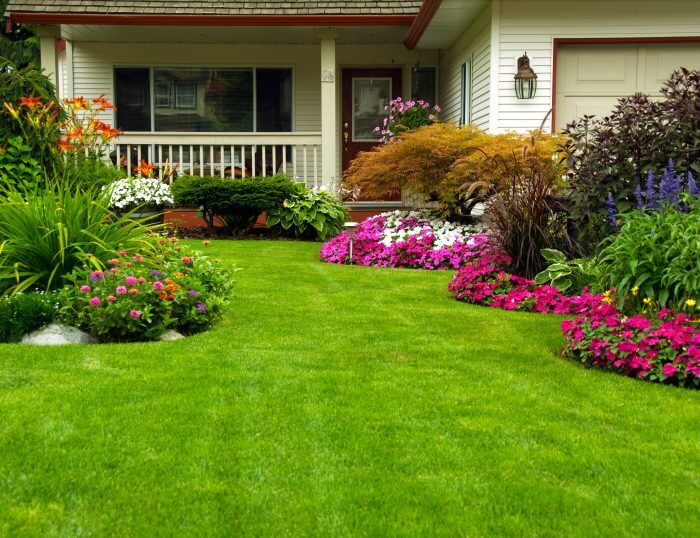
Shade-loving groundcovers, hostas, or ornamental grasses can complement your rocks while softening the landscape. This mix enhances both beauty and biodiversity in your garden.
Conclusion
Decorative rocks, when used properly, can transform your yard by creating visually appealing tree bases and enhancing the overall landscape. Options like river rock, Mexican beach pebbles, polished black pebbles, and white pebbles provide beauty, durability, and low maintenance. The key is careful planning, combining mulch where needed, and following proper installation techniques to ensure the health of your trees.
For expert guidance, RS&P Rock Stones & Pebbles can help you select the perfect rocks and provide tips for safe, sustainable landscaping. Call us today at (866) 380-0580 to turn your outdoor space into a thriving and beautiful environment.
Frequently Asked Questions
Will Rocks Around a Tree Kill It?
+
Rocks themselves don’t directly kill a tree, but they can cause stress over time. Compacted soil, poor aeration, and excessive heat can weaken roots and reduce the tree’s overall health. Proper installation is key to preventing these issues.
Can You Put River Rock Around a Tree?+
Yes, but with precautions. Use a mulch layer beneath the rocks, keep a gap from the trunk, and avoid piling stones too thickly. River rocks provide visual appeal and durability when installed correctly.
Pebbles vs Mulch Around Trees+
Mulch retains moisture and improves soil health but needs replenishing. Pebbles or decorative stones like polished black pebbles offer low maintenance and long-lasting appearance. A combination of both provides the best of both worlds.
Rocks Around Tree Base+
Always leave a few inches of space between the tree trunk and stones. This prevents bark damage, allows airflow, and reduces the risk of rot.
Rocks Around Trees Ideas+
Tree rings with mixed colors
- Layered borders
- Rock gardens with low-maintenance plants
- Pebble accents to highlight specific tree features
Landscaping Around Trees with Rocks+
Use breathable fabric barriers and well-draining rocks like river rock, Mexican beach pebbles, or gravel. Avoid heavy, sharp stones and always consider sunlight exposure and root depth for the best results.