What Makes Efflorescence Happen at a Molecular Level?
Understanding the science behind efflorescence begins with knowing water enters porous landscaping stones through small pores and microcracks. Once there, dissolved salts and minerals travel with the water as it moves toward the surface. As natural water evaporation occurs, dissolved ions start to become concentrated. Salt crystallization begins once the concentration of the ions exceeds the solubility limit. This is the point where you’ll see visible salt bloom. Calcium compounds, carbonates, chlorides, and sulfates all contribute to the salt bloom you see.
How Do Porosity and Moisture Impact Salt Movement?
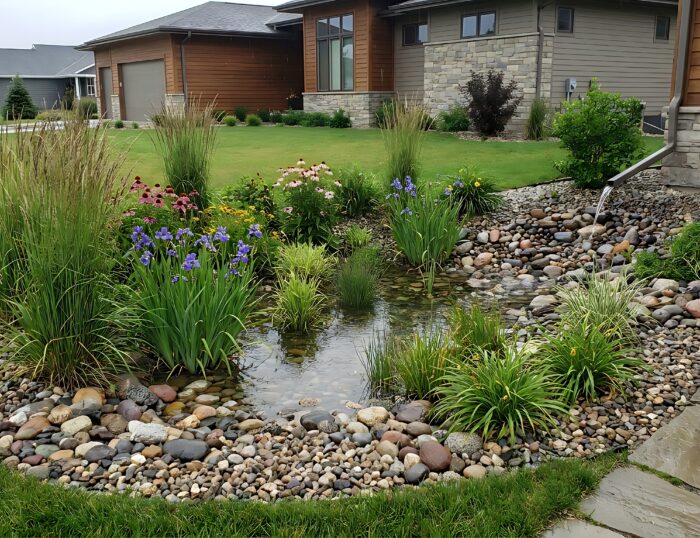
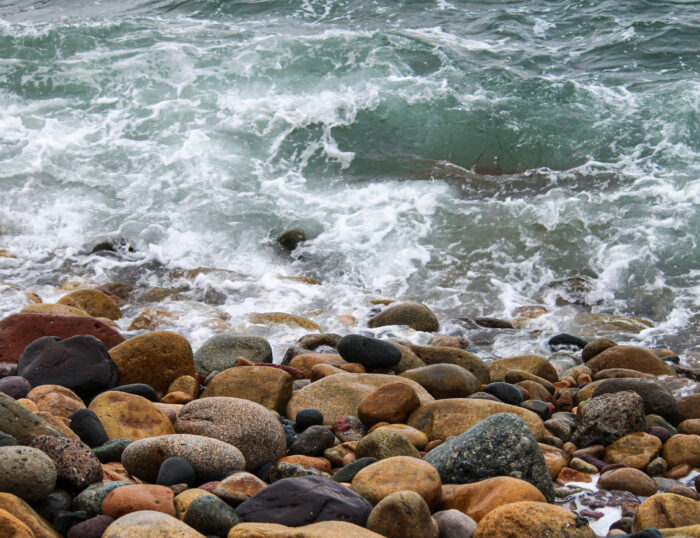
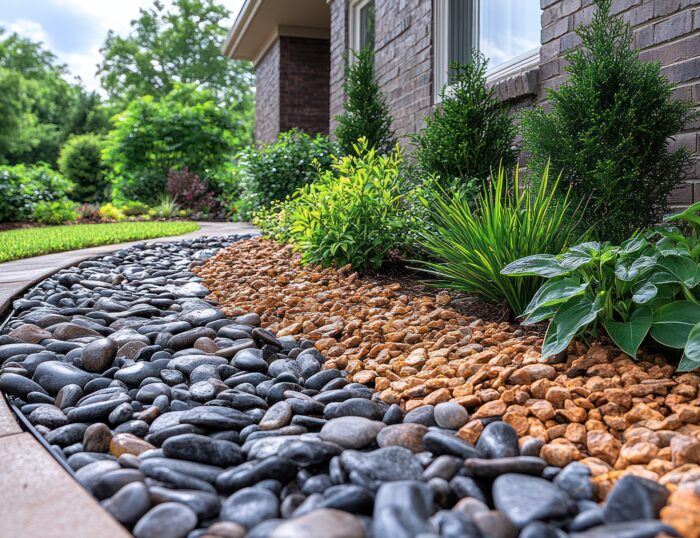
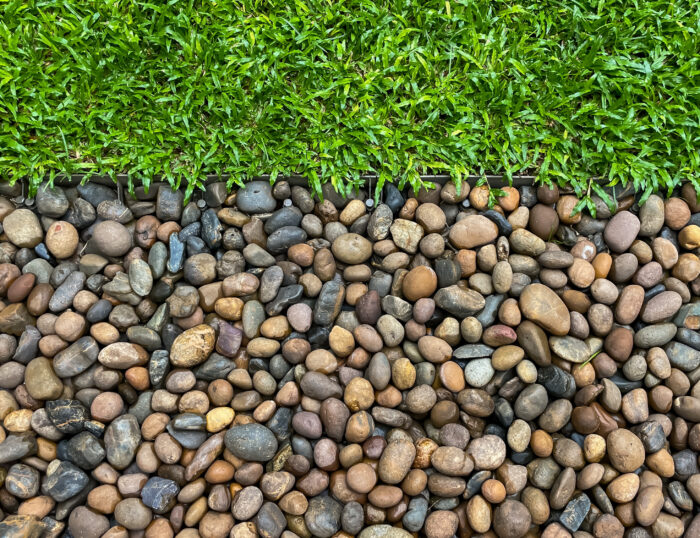
Capillary water movement occurs through small interconnected pores that exist in natural landscaping rocks. As the decorative rocks are repeatedly wetted and dried, the dissolved minerals are pushed toward the surface. Environments with high moisture levels increase the opportunities for salt bloom to form. As you plan your decorative rock beds and water features, you’ll want to think about how the temperature, humidity, and rainfall levels in your area affect evaporation and crystallization. For example, the Mexican beach pebble New Orleans homeowners use in decorative rock beds and garden paths goes through especially frequent wetting and drying cycles, thanks to the city’s humid climate and heavy rainfall.
How Does Sealing Decorative Rocks Change the Chemistry and Physics of Efflorescence?
People tend to love the look sealant gives stones, but there’s a clear scientific purpose behind why landscaping professionals recommend this step. Penetrating sealant can slow down water absorption while allowing for some vapor movement. Creating a surface layer can restrict water exchange that contributes to salt bloom. Keep in mind sealant manages moisture movement. It doesn’t chemically eliminate existing salts. Instead, sealing works by reducing the amount of minerals that dissolve and crystallize on the decorative rocks.
What’s the Best Strategy to Prevent White Salt Bloom?
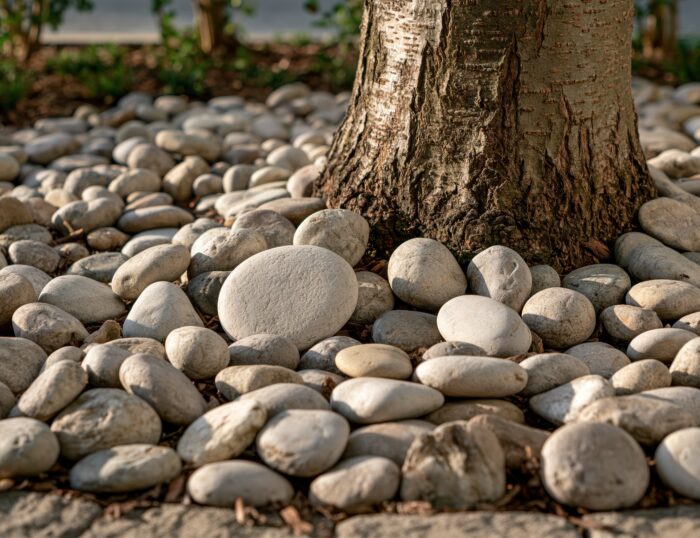
Starting with clean, dry, and dense stones is important before you begin sealing. For instance, the Mexican beach pebble Wichita landscapers install around patios and water features should be cleaned and allowed to dry completely so the sealer can penetrate the stone properly. If there’s existing efflorescence, you’ll want to begin by using a cleaning method that’s safe for stones. You’ll also want to choose a sealer that’s appropriate for the stones’ intended outdoor use and porosity. Follow the sealant’s application procedure, and make sure to allow for the proper curing time before it gets wet or people walk on the surface.
Your landscape rock is an investment in your outdoor space, so your stones should keep looking their best year after year. At RS&P Rock Stone & Pebble, we offer a wide selection of decorative rocks, stones, and beach pebbles, and we can help you choose materials that suit your design, climate, and maintenance goals. Our team is happy to share guidance on sealing and caring for your stones to reduce white salt bloom and keep their natural colors vibrant. Contact RS&P Rock Stone & Pebble today to find the perfect stones for your next landscaping project
Frequently Asked Questions
What is efflorescence on landscaping stones?
+
Efflorescence is the surface deposit of soluble salts left behind after moisture that’s carrying dissolved minerals evaporates.
Can sealing completely stop efflorescence from forming?
+
No, but the proper sealant applied correctly can significantly reduce moisture penetration and prevent the conditions that contribute to noticeable salt bloom.
Why does efflorescence return to my decorative rocks soon after cleaning?
+
Cleaning landscaping rocks removes the salt bloom, but the white residue will return again if you don’t take steps to reduce moisture absorption.
What’s the most important step to take when using sealer on landscaping stones?
+
Making sure the stones are dry is important to ensure the sealant penetrates the pores that carry water and soluble salts through the decorative rock.