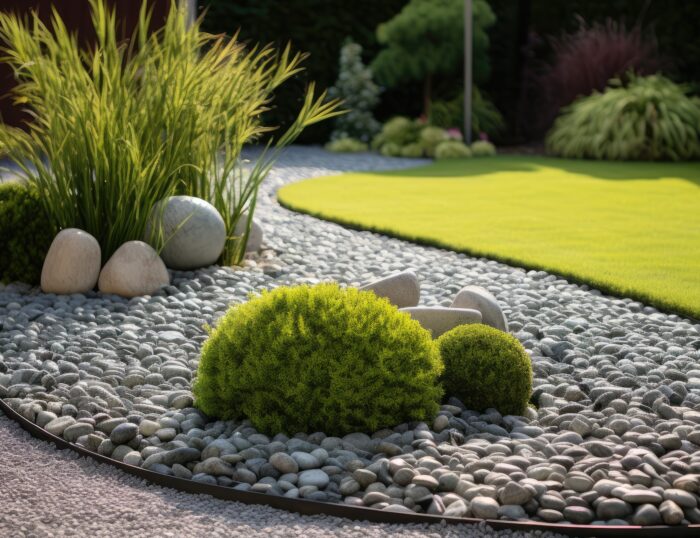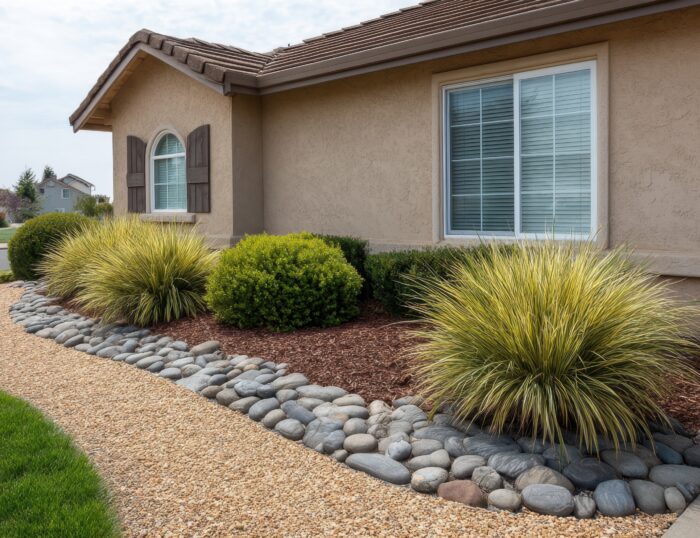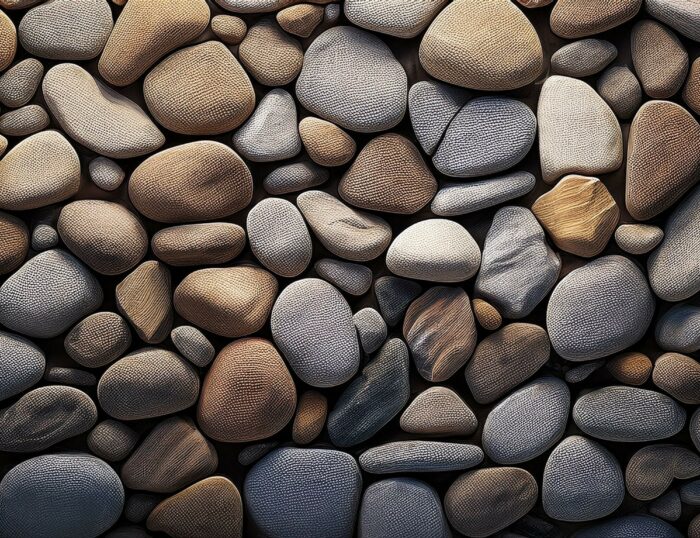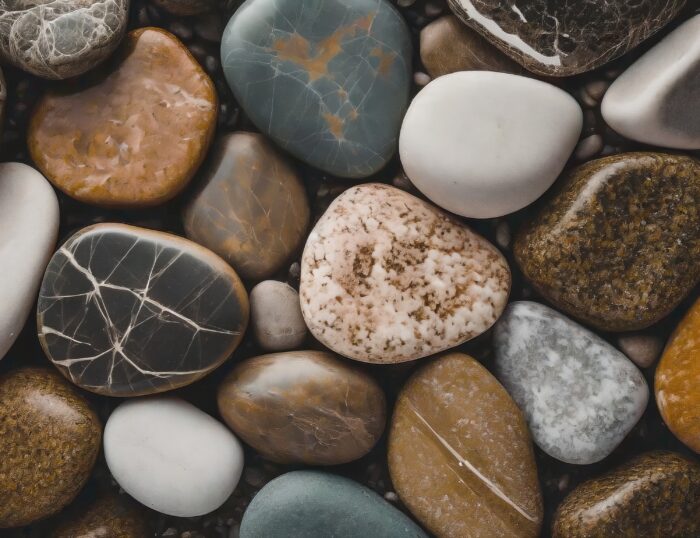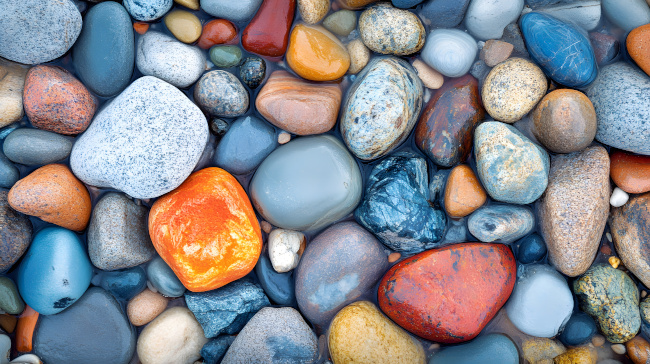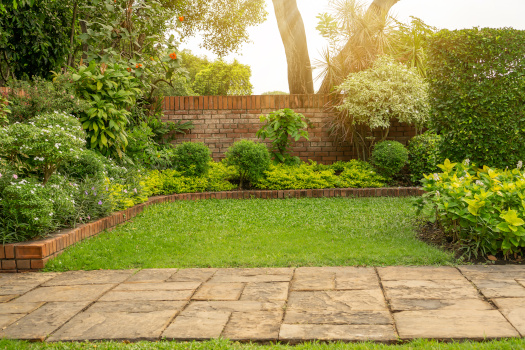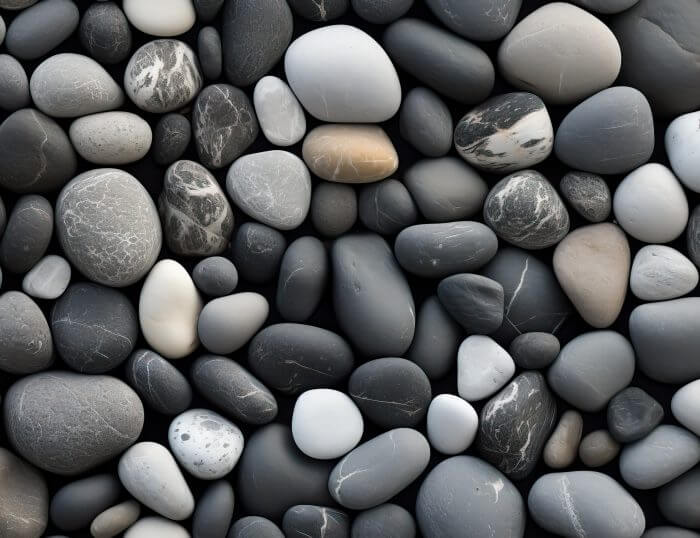
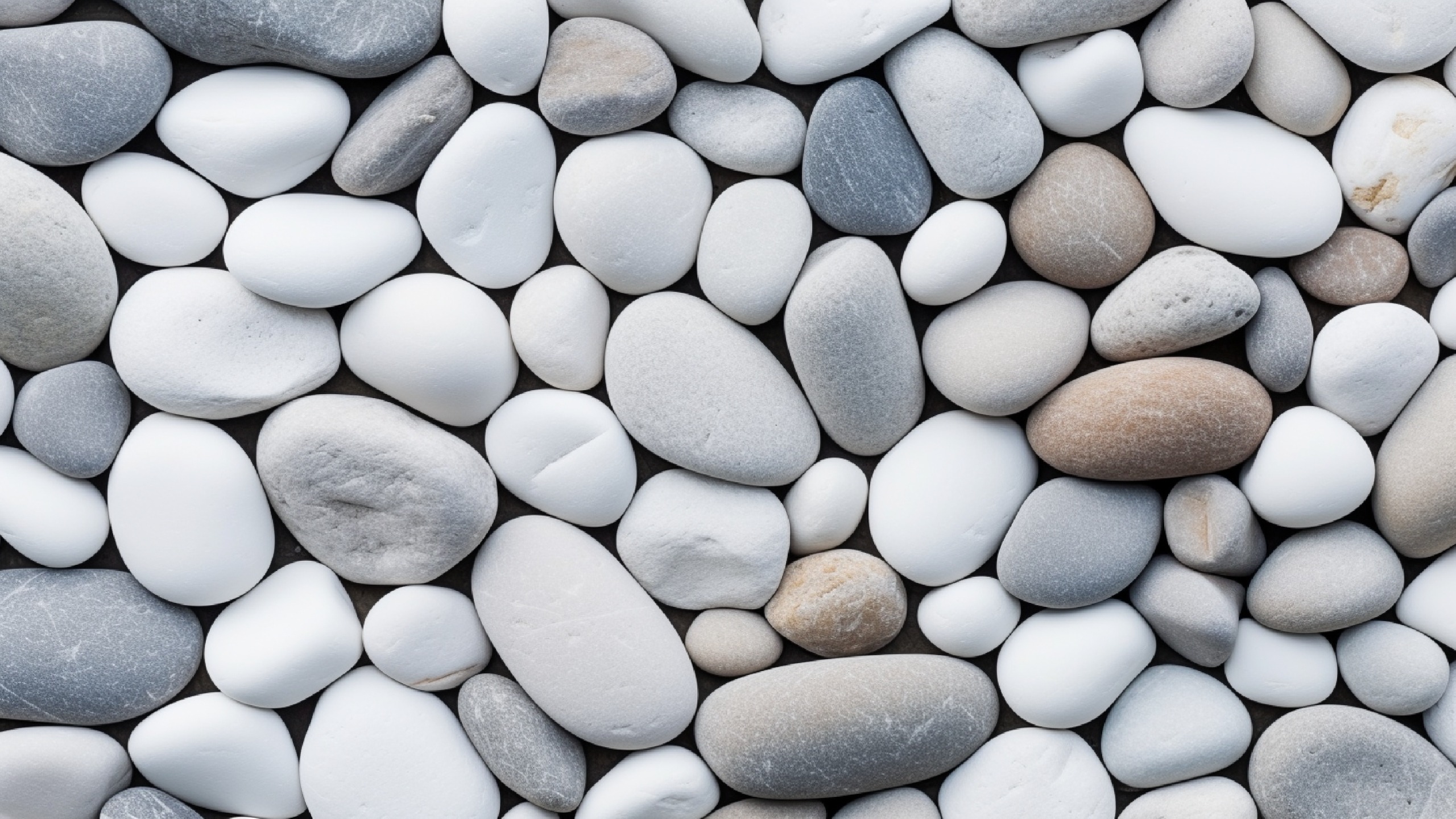
River rock comes in sizes that range from 1/2” to bigger than one foot. Naturally, decorative rocks you want to stabilize heavy slopes on your property will need to be bigger and heavier. Alternatively, the decorative rocks you put around flowers to serve as a mulch substitute could be smaller.
What Do People Use Small River Rocks for on Their Properties?
The tiniest river rocks usually range from 1/2” to 1.5”. You might hear these rocks referred to as pea gravel or decorative stones. The smaller sizes help these decorative rocks nestle together neatly to create beautiful walking paths, especially ones that tend to have high traffic. You can also use the smaller decorative rocks in place of wood mulch in flower beds, and they work wonderfully for xeriscaping. If you’re looking for a refined alternative, suppliers that carry the Mexican beach pebble Minneapolis customers appreciate often recommend these smooth stones as an upscale substitute for traditional river rock in flower beds and pathways.
When Are Medium-Sized Rocks Best?
Medium rocks fall within a range of 1.5” and 4”. You’ll typically use these decorative rocks in parts of the yard that need functional drainage. The slightly bigger sizes allow for water to filter through the decorative rocks easily without making them float or move out of place. If you’re planning to line a water feature, these provide a natural, durable effect. Medium-sized decorative rocks also work well for creating decorative borders around beach pebbles in a decorative rock bed.
How Can You Use Large River Rocks?
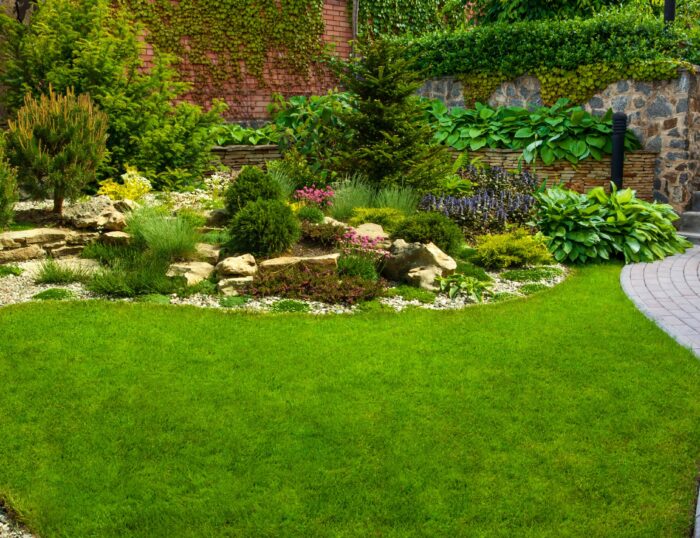
Larger river rocks have lots of uses in landscaping, and they can be up to one foot long. You can use the decorative rocks to stabilize the dirt on heavily sloped areas, or you might choose to build a low retaining wall on your property. Including a few larger river rocks in xeriscaping designs also adds interest to maximize curb appeal, and these can also be used to create decorative borders. Similarly, the decorative stone suppliers offering the Mexican beach pebble Tulsa homeowners prefer often suggest pairing these polished stones with larger decorative rocks to create eye-catching borders and xeriscaping features.
Can You Mix River Rock Sizes in Landscapes?
Many landscape designs incorporate multiple sizes to achieve specific goals. For example, it’s common to want to include a natural stone walking path and a water feature to create a relaxing landscape. Or you might want to keep smaller decorative rocks in place by using larger ones around the perimeter of a walking path.
Using a combination of sizes creates the most natural look in landscaping designs, since this mimics how rocks appear in nature.
Are you ready to upgrade your landscape with the perfect river rock? The team at RS&P Rock Stone & Pebble can help you choose the right sizes, colors, and materials to match your design goals while ensuring long-lasting performance. Whether you’re creating a walkway, improving drainage, or enhancing curb appeal, our experts provide high-quality drought-tolerant landscaping materials, including a variety of Mexican beach pebble and river rock. Contact RS&P Rock Stone & Pebble today to get started on a landscape that looks beautiful and functions exactly as it should.
Frequently Asked Questions
What’s the ideal size for river rock you want to use as walking paths?
+
Small- to medium-sized river rocks provide the perfect balance of being heavy enough to stay in place without causing people to trip over them in walking paths.
Are river rocks strong enough to use for retaining walls?
+
Yes. Natural river rocks are strong enough to work in lower retaining walls, but you’ll want to use the biggest and heaviest ones available.
Will bigger decorative rocks make it easier to cover a large part of my property?
+
Larger rocks can cover expansive parts of your property quickly, but you might still want to include smaller ones to define specific areas
Which river rock size provides the most natural look in residential landscapes?
+
Using a combination of sizes creates the most natural look in landscaping designs, since this mimics how rocks appear in nature.